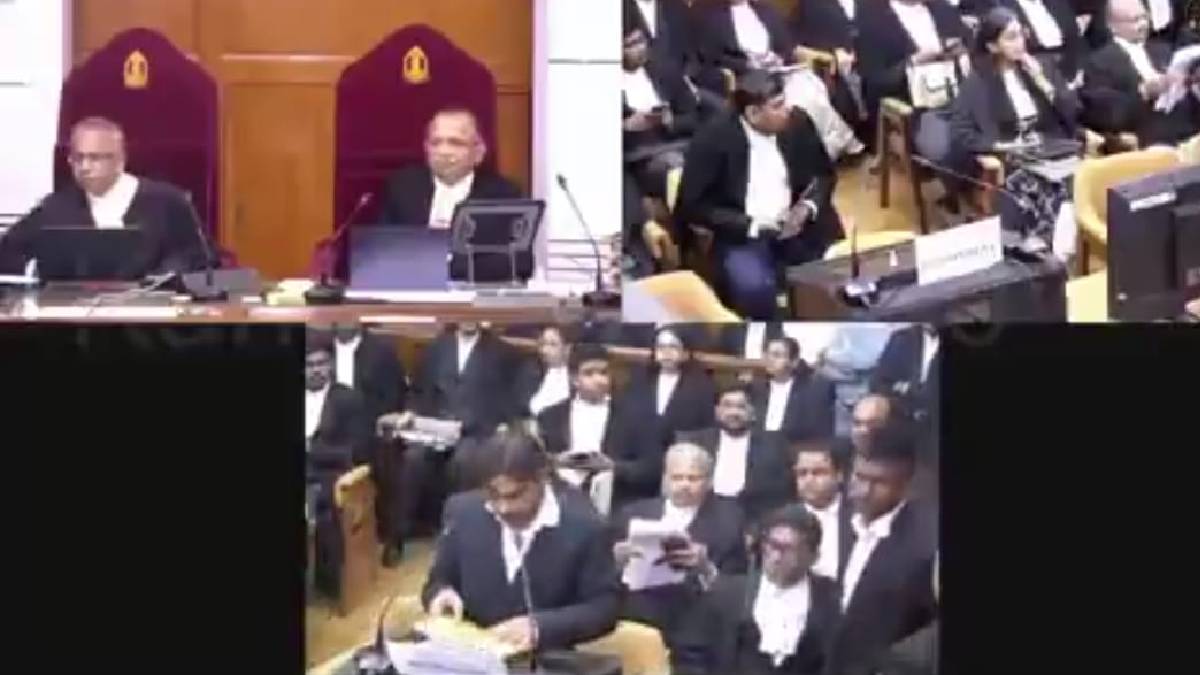
The deaths of women at hospitals in Rajasthan’s Kota in a Caesarean section (C-section) delivery of women following a pregnancy have raised concerns about maternal health standards and patient safety amongst the public.
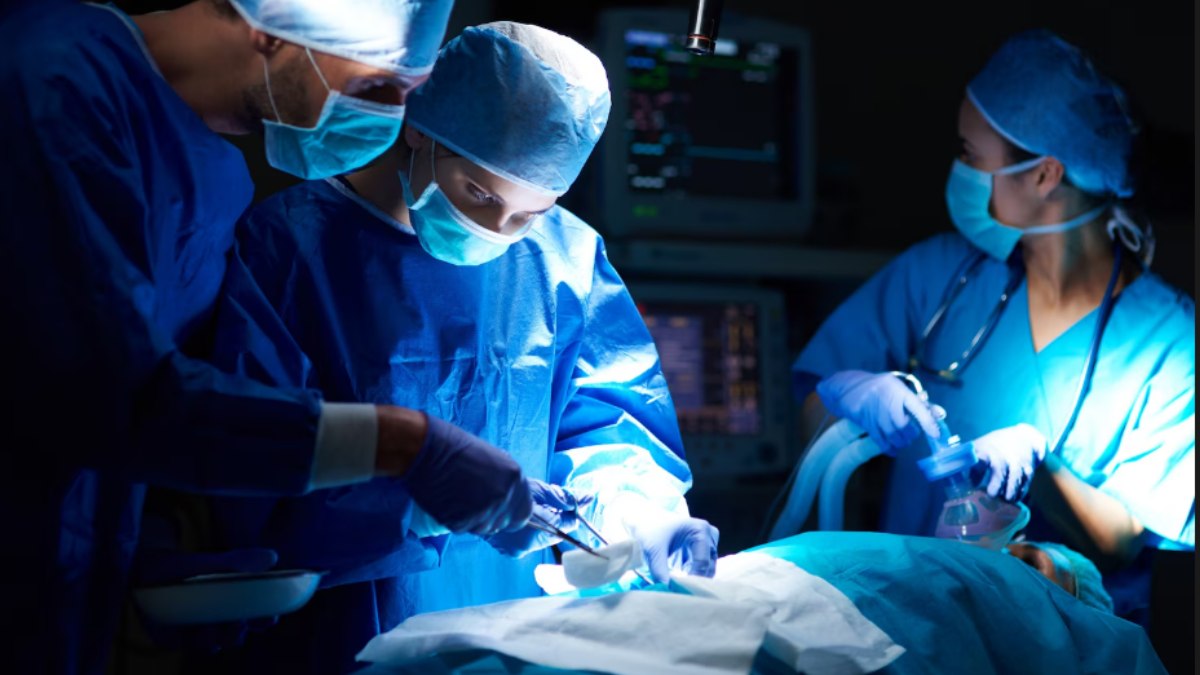
The cases have reignited the debate over the quality of maternal healthcare in public hospitals and the need for strong infection control and emergency response and surgical protocols.
What happened?
Several women were reported to have died after having C-section deliveries in hospitals in Kota in the last couple of days and the public outrage and demands for accountability are mounting. The families of the victims were worried about the quality of treatment provided and what they felt were flaws in postoperative care.
Following the reports, the Rajasthan Health Department formed expert committees to investigate the circumstances of each death. Hospital records, treatment protocols, medication administered, sterilization procedures, and postoperative monitoring are being reviewed by authorities.

The agencies said investigations are ongoing and no conclusions regarding negligence should be drawn until medical experts have done their checks.
What is a C-Section?
Caesarean section is a surgical procedure in which a baby is delivered through incisions in the mother’s abdomen and uterus. It is performed when vaginal delivery poses risks to the mother or baby.
Common reasons for C-section include:
Prolonged or obstructed labour
Fetal distress
Multiple pregnancies
Placenta previa
Previous C-section deliveries
High-risk maternal health conditions
C-sections are safe as a general rule, but like all surgeries they have certain risks that must be accounted for before, during and after the surgical procedure.
Possible Causes Being Investigated
Several factors may have contributed to complications after a C-section, medical experts say. There is speculation whether any of them played a role, Kota authorities are now investigating.
1. Postoperative Infections
Infection is one of the most serious complications after surgery. Infection can lead to severe infections in surgical wound or bloodstream if bacteria enter the surgical wound or bloodstream which are treated quickly and can become life threatening if not detected and treated early.
The investigation is examining whether infection-control protocols were followed in operation theatres and recovery wards.
2. Excessive bleeding
Postpartum haemorrhage remains one of the major causes of maternal deaths worldwide. Heavy bleeding during or after surgery needs immediate medical attention, including blood transfusions and emergency treatment.
According to health officials, emergency response mechanisms played a role in the successful application.
3. Anaesthesia-related complications
Although rare, spinal or general anaesthesia can lead to complications. An evaluation of anaesthesia protocols is ongoing by experts.
4. Underlying Medical Conditions
Some mothers may have pre-existing conditions such as hypertension, diabetes, anaemia, heart disease or clotting disorders that can increase surgical risk.
The problem is why such conditions were detected and treated properly before surgery in this case.
5. Postoperative Monitoring
After a C-section, continuous monitoring as well as monitoring should be done to detect warning signs such as falling blood pressure, excessive bleeding, fever, breathing difficulties, or infection.
If there is a delay in the identification of complications, the patient can have a much worse future.
How important is maternal death review?
India has made significant progress in reducing maternal mortality over the past two decades. Every maternal death is assessed to identify systemic gaps and suggest improvements.
Such investigations typically evaluate:
Surgical procedures followed
Availability of specialist doctors
Nursing care
Availability of blood products
Infection-control practices
Emergency referral systems
Hospital infrastructure
The findings often help improve healthcare standards and prevent similar incidents in the future.
Government Response
Following the deaths, Rajasthan health authorities initiated formal inquiries and directed expert medical teams to submit reports. If negligence or procedural lapses are found, appropriate action will be taken against those responsible, officials said.
Hospitals involved have been instructed to fully cooperate with investigators by providing medical records, operation notes, laboratory reports, and other relevant documentation.
Health officials have also stated that evidence and post-mortem findings should be the basis for conclusions, not speculation.
Broader concerns about Maternal Healthcare.
The Kota incident has once again highlighted some of the larger challenges facing maternal health in India, such as:
Shortage of trained healthcare professionals
High patient loads in government hospitals
Limited intensive care facilities
Need for stronger infection-control measures
Better postoperative monitoring systems
Timely access to blood banks and emergency care
Public health experts stress that maternal safety demands not only highly skilled surgeons but also advanced nursing support, modern infrastructure, regular audits and adherence to evidence-based clinical guidelines.
The investigation into the Kota C-section deaths will also help determine if the deaths were due to inevitable medical complications or missed medical mismanagement or an error or the healthcare delivery system failures that did not occur. Whatever the outcome, the incident is a reminder of the importance of high surgical quality care, patient safety and maternal health care in the country.
As the inquiry continues, healthcare providers should take corrective measures that can improve hospital protocols, strengthen accountability and increase public health institutions’ confidence. Safety of childbirth is a fundamental public health concern and lessons learned from these types of events can also provide a better outcome for mothers across the country.