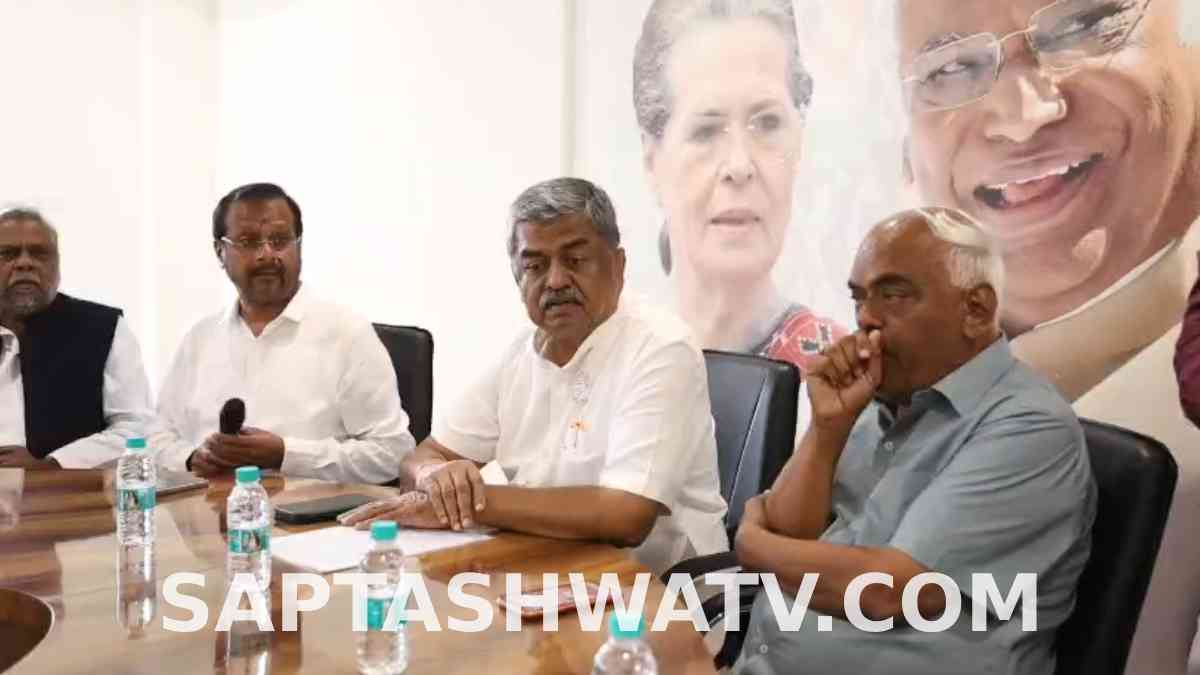
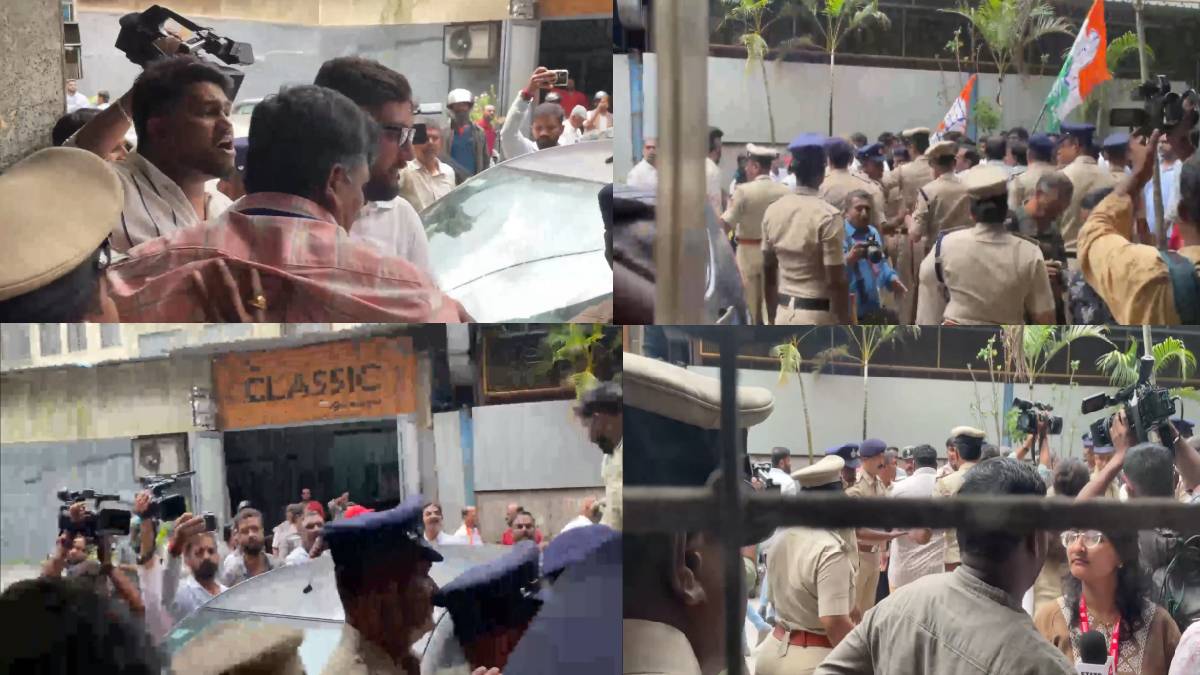
Abdul Jabbar leaves office as Karnataka Pradesh Congress Committee's Minority Wing President amid brewing domestic strife after a ruling coalition's result from the Davanagere South Assembly constituency vote.
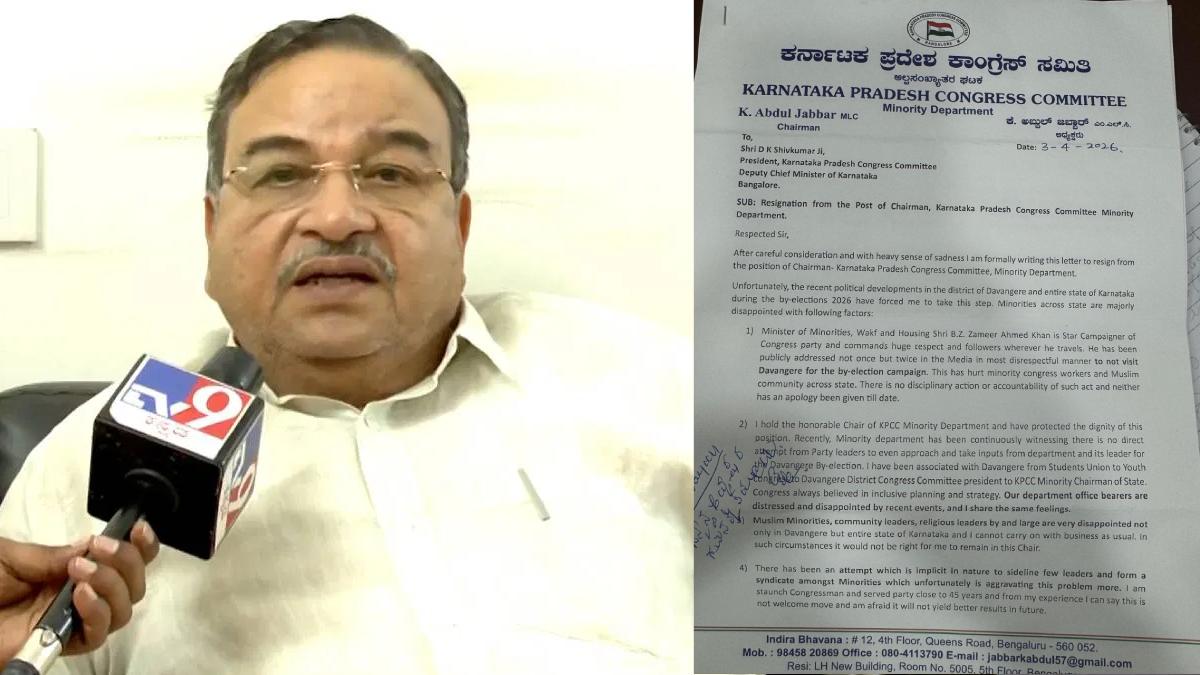
The resignation comes against the backdrop of an Indian National Congress battle-hindered by internal discord within and among members of Karnataka's different factions, where internal divisions have been growing, and factions are growing stronger. It could be inferred from the reports that Abdul Jabbar's resignation was not entirely voluntary, as his resignation was a preventative measure taken in the hope of facing disciplinary action from the centre.
A detailed internal report was filed by the party high command about the Davanagere bypoll campaign, which heightened internal turmoil in the state unit. There was a reported lack of coordination among leaders, internecine rivalries, and dissatisfaction among some sections of the party, especially the minority community, the report said.
Several leaders supposedly criticised senior figures, including Zameer Ahmed Khan, for causing the cracks that might have influenced the party’s electoral prospects. These allegations are said to have found their way to the central authorities, drawing closer attention to how the state unit operates.
Amidst that, Abdul Jabbar quits, and the other people are describing it as an effort by the party to contain damage and to send a notice of accountability. Political experts expect further changes to occur and think that if the high command follows the recommendations of the internal report, it may be the last of them.
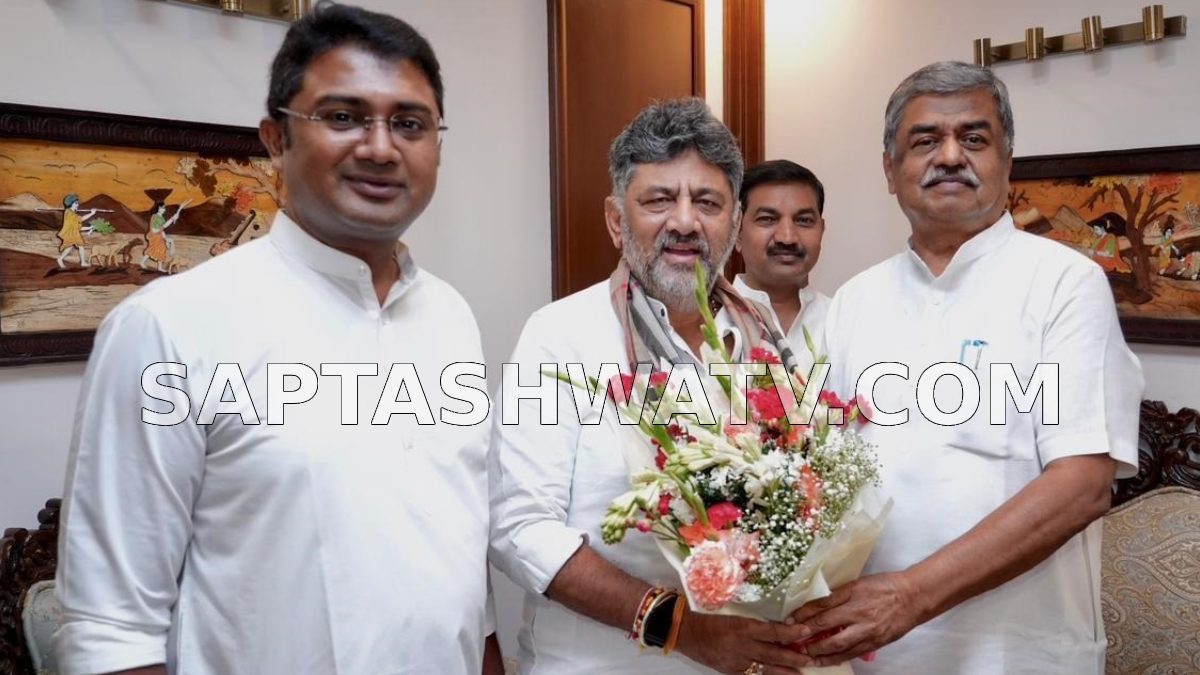
Compounding the uncertainty are allegations among other leaders that it may pressure them whether they quit or explain their roles, before their run-off (which may be due by the time they're elected to office). This has stoked discomfort among the party ranks. At the same time, Mallikarjun Kharge, Chair of All India Congress Committee (AICC), has not commented about the matter, thus not giving his views about the issue.
He has been seen as a strategy mouthed by his leadership as this continues to go on. The incidents reveal how difficult it is for Congress to handle domestic politics, especially in such high-stakes elections. There is much reason to believe that unaddressed factionalism could undermine their electoral standing in the coming elections.
And with the situation being an ever-changing one, now everyone’s eyes are on the Congress high command and what that is going to look like next. We are in the dark on whether Abdul Jabbar’s resignation will stabilise the party or inspire more turmoil.