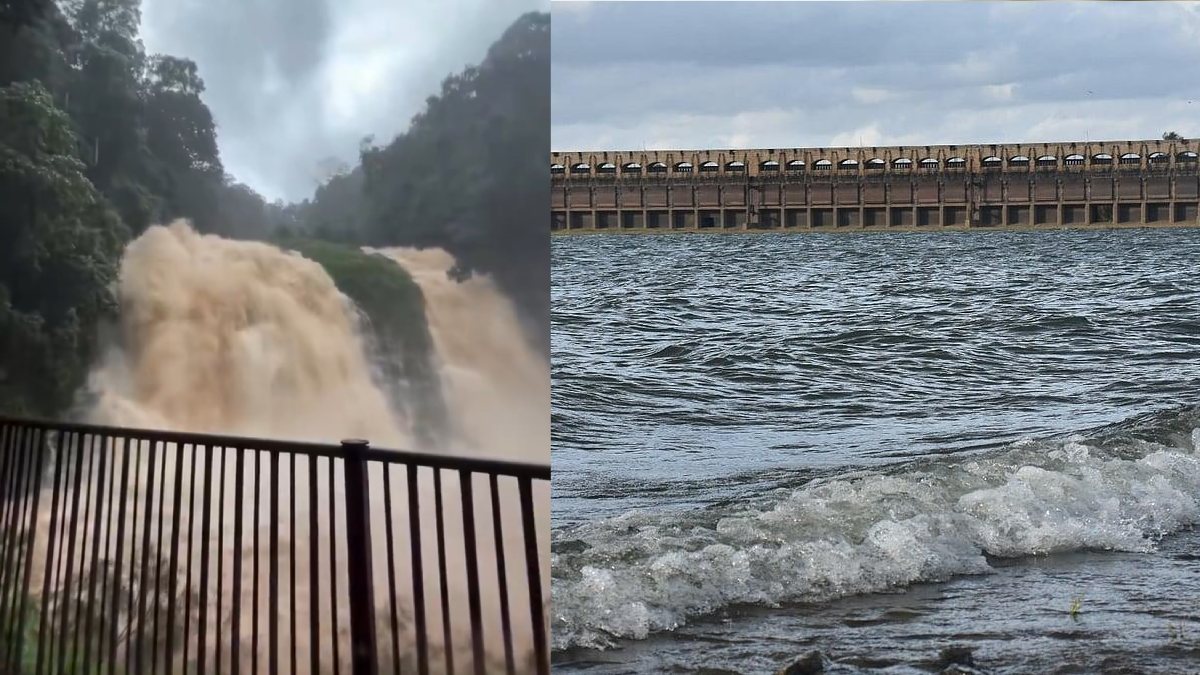
Concerns over water availability in Karnataka are mounting as the water level in the Krishnaraja Sagar (KRS) Dam has dropped to 81 feet following a weak start to the southwest monsoon in the Cauvery catchment area. The alarming decline has raised fears of a potential drinking water crisis for Bengaluru and other regions that depend heavily on the reservoir for their water needs.
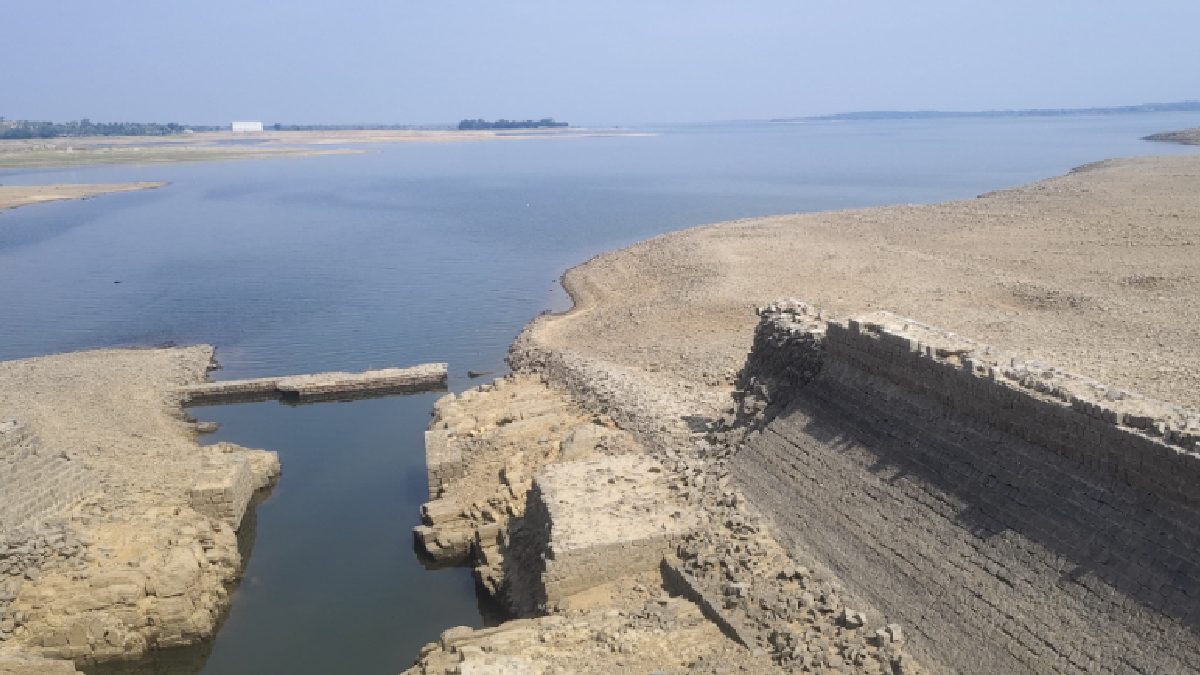
The KRS Dam, located in Srirangapatna taluk of Mandya district, is one of Karnataka's most important reservoirs and serves as a critical source of drinking water and irrigation. Normally, by this time of the year, the Cauvery basin receives substantial rainfall, leading to increased inflows into the reservoir. However, the monsoon has failed to gain momentum across the catchment region, resulting in significantly lower water accumulation.
According to the latest figures, the KRS reservoir currently holds around 11.399 TMC (thousand million cubic feet) of water. However, officials point out that nearly 5 TMC of this volume constitutes dead storage, which cannot be effectively utilized for regular supply purposes. This means that only about 6 TMC of water is presently available for consumption and distribution.
The situation has become particularly concerning when compared to the same period last year. During this time in 2025, the reservoir's water level stood at approximately 108 feet, providing a comfortable buffer for drinking water and irrigation requirements. The current level of 81 feet indicates a sharp decline and reflects the inadequate rainfall received across the Cauvery basin so far this season.
Water resource experts note that the reservoir's water level had similarly dropped to around 80 feet in 2019, a year remembered for severe water stress in several parts of Karnataka. The recurrence of such low levels has revived concerns about the state's preparedness in case monsoon conditions do not improve significantly in the coming weeks.
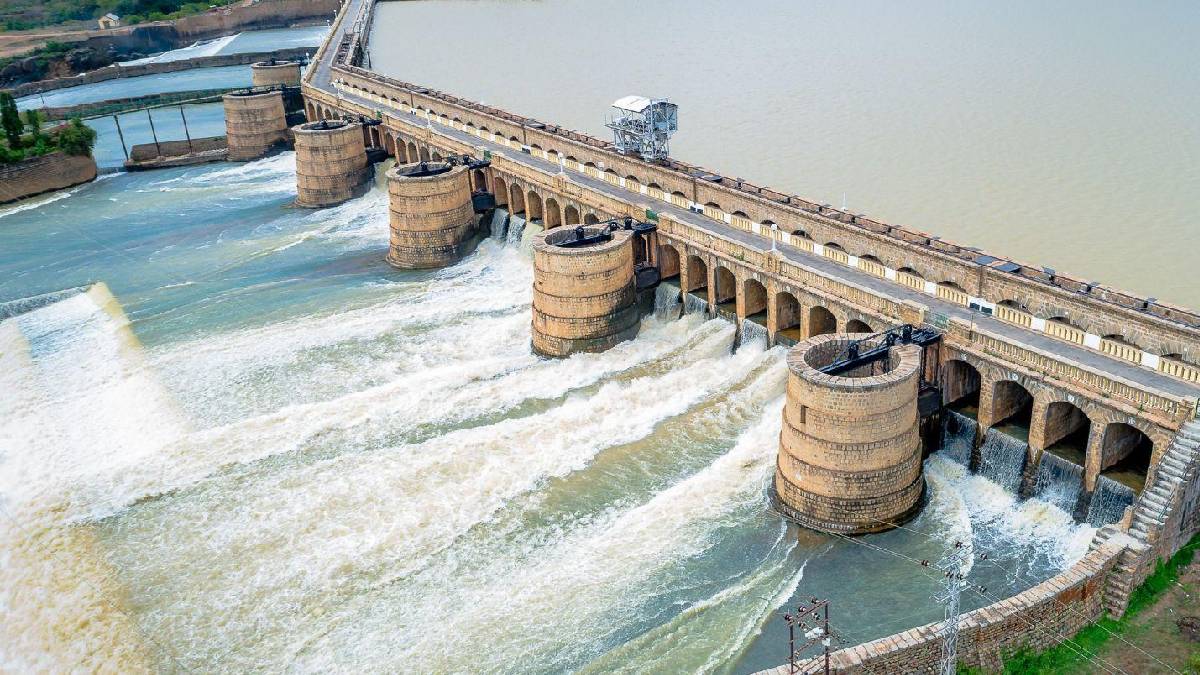
Adding to Karnataka's challenges is its obligation to release Cauvery water to neighboring Tamil Nadu under the water-sharing framework. During June alone, Karnataka is required to release approximately 9.19 TMC of water to Tamil Nadu. Meeting this commitment while maintaining sufficient reserves for domestic consumption has become increasingly difficult as reservoir levels continue to remain low.
The KRS Dam plays a crucial role in supplying drinking water to Bengaluru, Mysuru, Mandya, and several surrounding regions. Any prolonged shortage in the reservoir could directly impact water availability for millions of residents. Officials are closely monitoring rainfall patterns across the Cauvery catchment areas in Kodagu and other upstream regions, hoping for substantial precipitation to improve inflows.
Meteorologists and water management authorities emphasize that the next few weeks will be critical. If the southwest monsoon intensifies and brings widespread rainfall across the catchment region, reservoir levels could recover quickly. However, if rainfall remains below normal, Karnataka may face difficult decisions regarding water allocation, irrigation schedules, and drinking water management.
As of now, the KRS reservoir remains at a vulnerable stage, and experts warn that unless monsoon activity improves considerably, the state could be headed toward a challenging water season. The situation has prompted renewed discussions on water conservation, efficient reservoir management, and long-term strategies to address recurring water shortages in the Cauvery basin.
For now, all eyes remain on the skies as Karnataka waits for the monsoon to strengthen and replenish one of its most vital water lifelines.