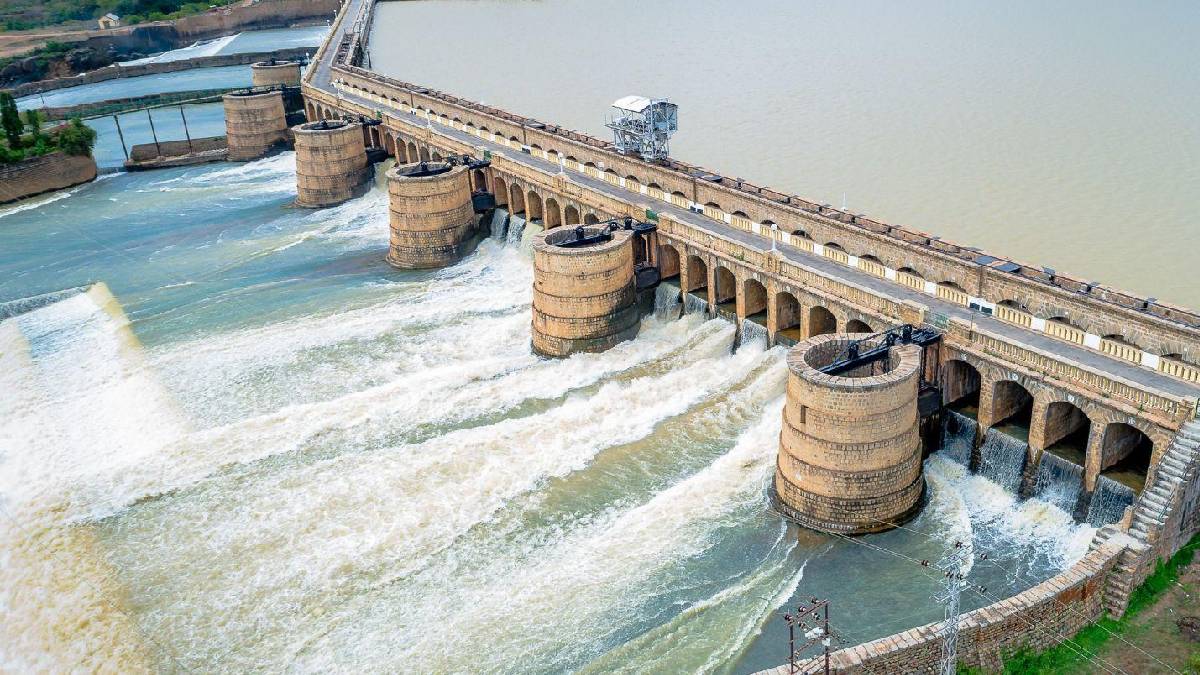
The Krishnarajasagar (KRS) reservoir, which is the lifeline of farmers in Karnataka’s Mandya district, has crossed 100 feet after continuous rainfall in the Cauvery basin, mainly in Kodagu district. The reservoir’s water level at 8:00 am on August 3, 2026, also reached 100.34 feet, which is a huge boost for irrigation, drinking water supply and water security in the region.
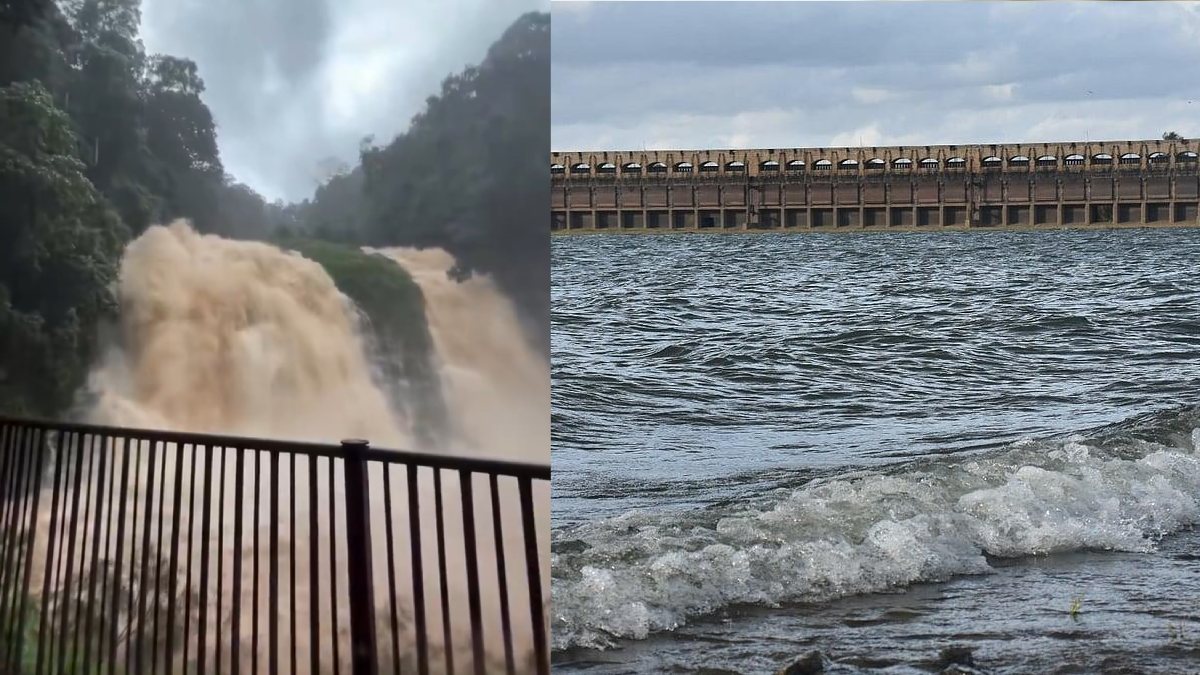
The development, however, is good news for thousands of farmers who have been worried about water availability due to erratic monsoon patterns and the possibility of El Niño. In spite of fears of down to below-normal rainfall earlier in the season, nature has turned it around, and the heavy rains in the upper reaches of the Cauvery river are driving up the inflows into the vast reservoirs in the basin.
The very speed of the current situation is the KRS reservoir filling up. Within three days, the water level rose by nearly 8 feet, and the rain in the catchment areas was heavy. With a maximum water level of 124.80 feet and storage capacity of 49.452 TMC, the reservoir is holding 23.079 TMC of water and is about 46.7 per cent of the total capacity of the reservoir. The reservoir also has a large live storage of around 14.7 TMC and offers reassurance for farmers and water resource managers.
The rapid rise in water levels is mostly due to the strong inflow from Kodagu and other upstream regions. There are so far 32,048 cusecs of water flowing into the KRS reservoir as of now and the outflow is much lower at 1,821 cusecs. Of that, 1,450 cusecs are being released into the river and 371 cusecs into irrigation canals. With inflows continuing at this pace, the reservoir could reach full capacity within the next couple of weeks if rainfall continues.
The reservoir has already crossed 100 feet, and so has the other state. On May 30, 2025, July 5, 2024, July 25, 2023, July 21, 2021, July 8, 2020, and August 9, 2019, the KRS reached this level at this age. There was one exception in 2022 when the availability of pre-monsoon water and heavy rainfall enabled the reservoir to reach 100 feet on May 18. The numbers indicate the impact of monsoon on Karnataka’s water and agricultural development.
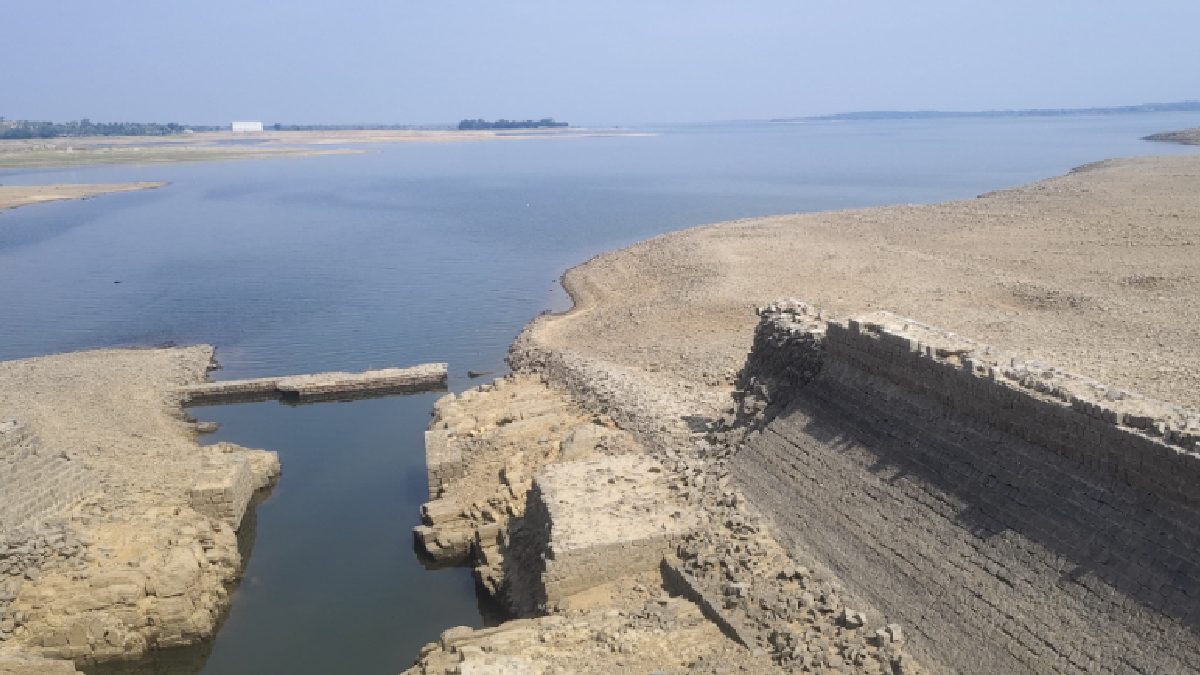
The encouraging trend is not limited to KRS alone. The other major reservoirs in the Cauvery basin are also receiving large inflows. The Kabini reservoir received 31,746 cusecs on the morning of August 3, Hemavati reservoir 12,856 cusecs and Harangi reservoir 11,645 cusecs. The inflow of the reservoirs together indicates that the whole Cauvery basin is getting the benefit of flood and heavy rain.
The increasing reservoir levels have alleviated farmers in southern Karnataka who were worried about irrigation prospects during the current agricultural season. More storage of water will help to cultivate and better recharge groundwater, improve water supply stability in agricultural regions and improve farming.
But at least the situation is far removed from the issues which dominated the discussions just a few months ago when fears of water scarcity and interstate Cauvery water disputes were growing due to deficient rainfall. So far, the abundant inflows have largely alleviated those fears, once again illustrating how dependent the region is on the monsoon and nature’s generosity.
The rainfall in Kodagu and other catchment areas will be monitored by authorities as rainfall will continue to pound Kodagu and other catchment areas and reservoir levels and inflows will continue. The fact that the KRS reservoir crossing the 100 feet is, for now, a sign of relief, optimism and renewed hope for the farmers and communities that depend on the Cauvery waters of Karnataka.