The eyewear giant Lenskart was recently embroiled in social media turmoil after a document that it says spells out its workplace grooming standards became viral on the platform. Critics said they found the document appeared to limit several religious beliefs of bindi, tilak, and kalawa but allowed hijab under certain circumstances.
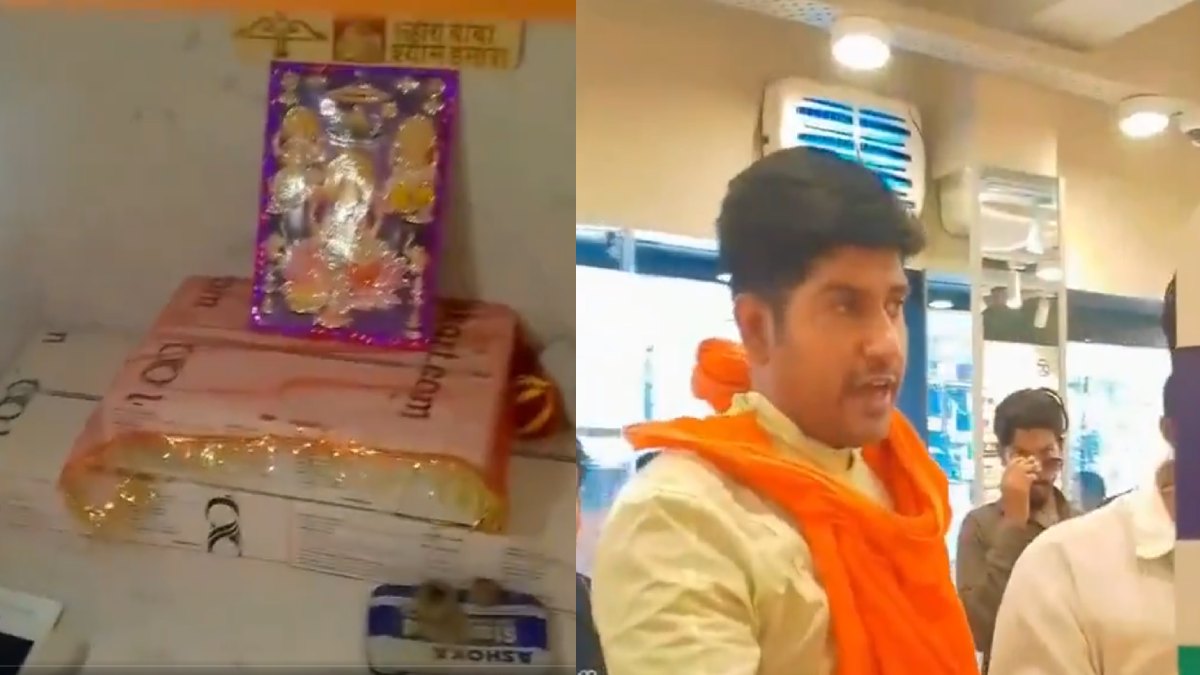
Several were critical of the document which was quoted by some. Online backlash was swift too, as some people questioned if the guidance contained this inconsistency in advice. The document also said that bindis were not allowed, and that religious threads or wristbands such as kalawa should be taken off.
It also included rules about sindoor, suggesting it be minimal. It also provided that hijabs can be worn except to a limited extent, such as being black in color and not covering the company logo. It also said burkhas were not allowed in stores.
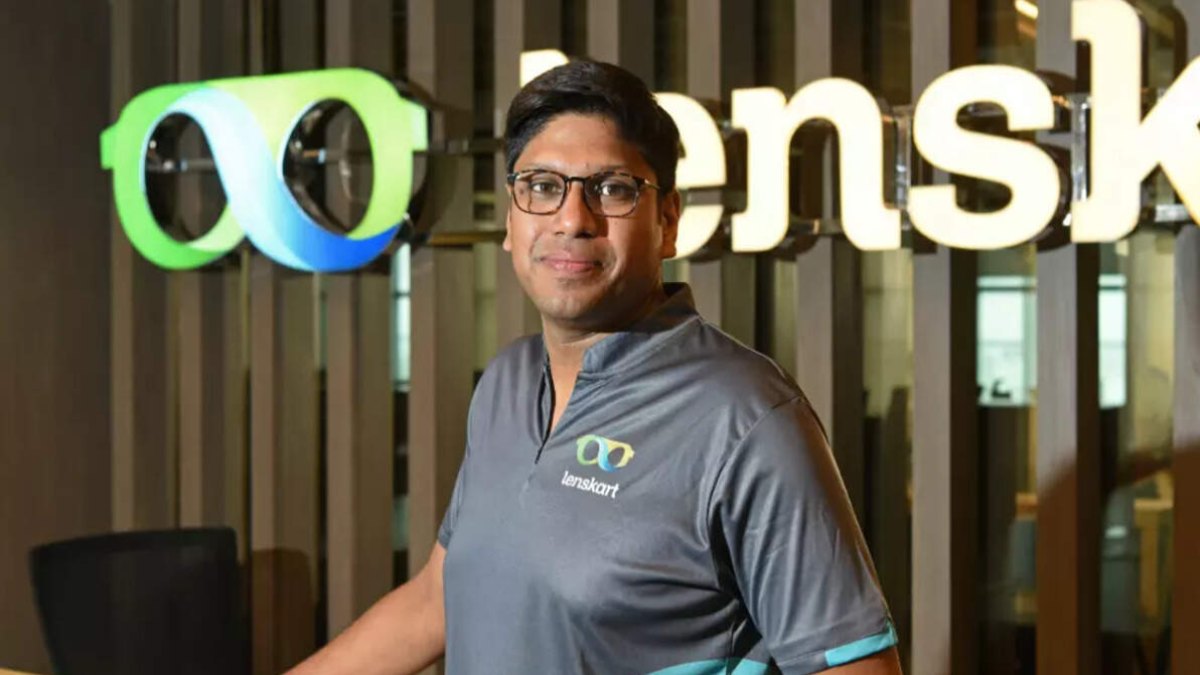
The backlash also resulted in Peyush Bansal CEO and founder of Lenskart a household name in Shark Tank India. Bansal responded that the viral document was obsolete and did not represent the company’s new approach. In a public statement, he emphasised that Lenskart does not forbid religious expression and that it grants employees, including bindi and tilak, the right to wear symbols of their faith freely.
He said this document was taken down earlier and not an operational HR policy but an internal training note that should not be construed as HR policy in force then. Bansal himself recognized that the document contained erroneous language, including as it related to bindi and tilak, among other things, and said the statement challenged the company’s brand ethos. He had not handled that fairly, he admitted, and “not enough in all the discrepancies we know should have been recognised and corrected earlier.”
The assault has stoked more debate about corporate India's work dress codes and religious expression. Many have come to agree that organizations also need to make sure their policies are socially inclusive that they’re well-communicated and regularly updated so that they reflect changing social values. But companies also have to watch out for how internal work is written, as old stuff can show up and be a branding mess. Lenskart remains a major player in India’s retail and eyewear market, even as it enters the orbit of scrutiny.
This company that claimed unicorn status in 2019, was growing faster than average and being geared up for public offering. This solid financial progress in recent quarters is also representative of the firm's place in the market.
The episode is a cautionary tale, demonstrating how quickly corporate policies can be pulled out of their ivory towers and brought into the public eye in the digital age. For corporations in an age when we’re in a world of high-connectivity, transparency, clarity, and sensitivity towards their cultural and religious difference is more essential.