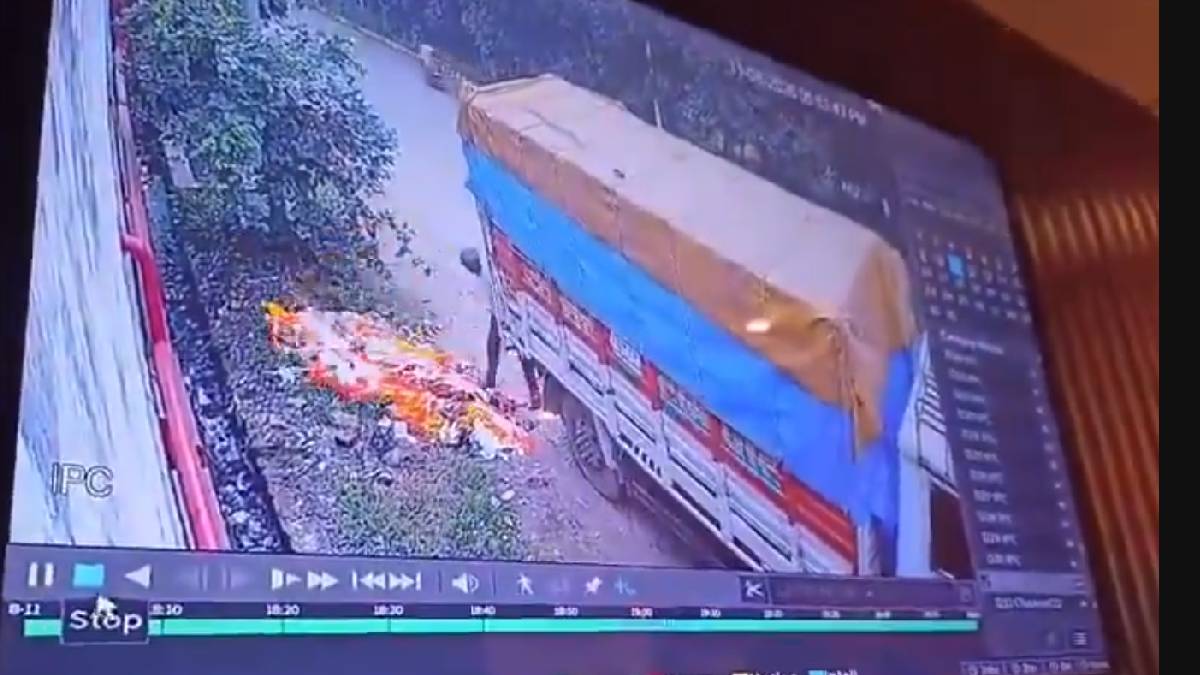
The most recent incident about a delivery partner from Swiggy raised an issue of pay structures and working conditions in India’s gig economy. A rider reportedly protested after a ₹35 fee was paid for the delivery trip, worth about 6.2 km.
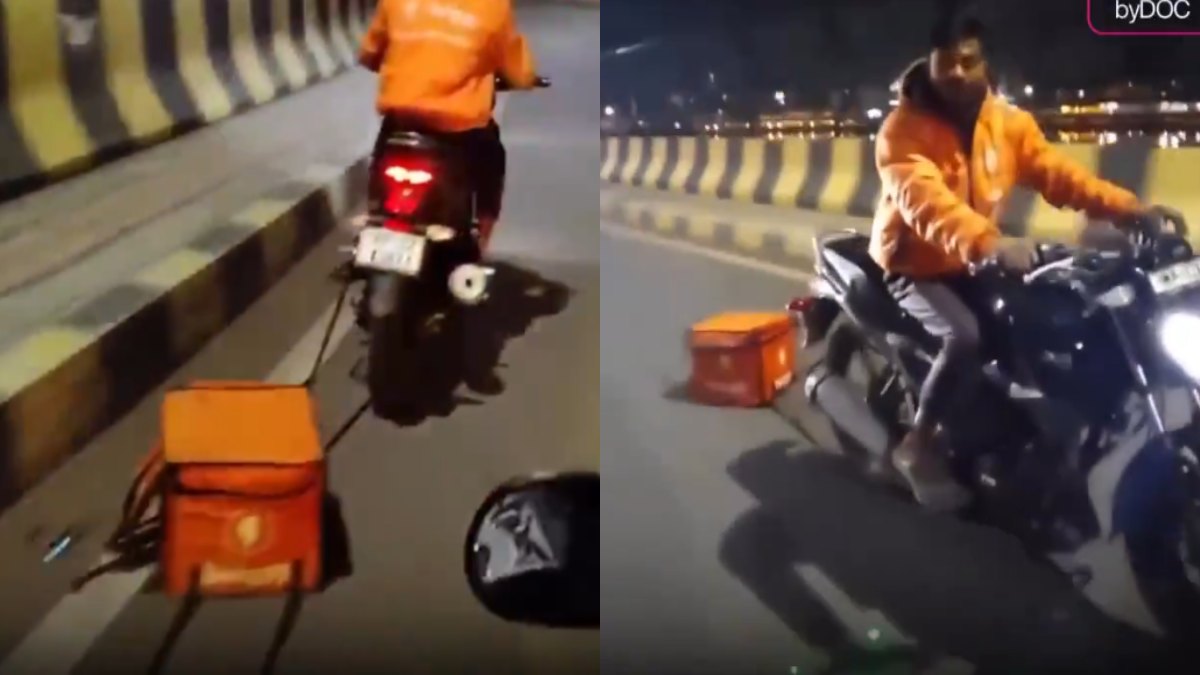
An event soon castigated as substandard by many, especially as fuel prices soar and the cost of living rises. So when the pain was expressed by the rider and everything became public it led to many stories being posted on social media. While there is some discussion of the context and specifics surrounding the incident, this case was a reminder of the delivery staff the bedrock of app-based service delivery systems.
A Swiggy rider drag his food delivery box on the road after being paid a pathetic ₹35 for a 6.2 km trip this isn’t just unfair, it’s outright exploitation.
— Krishnan Gaur (@Mercedes5494) April 15, 2026
This is what happens when companies squeeze workers to the bone and expect them to survive on scraps. Absolutely… pic.twitter.com/vO12y6PV74
Gig laborers, which the company says even includes those who deliver food, operate within an economy in which their earnings are generally a function of distances, time, demand and inducements.
Opponents of such systems argue that there may be erratic or random streams of currency and money in some of these systems. As the level of the economy’s competition and demand evolves, many workers face difficulties in maintaining a relatively steady income. Proponents of gig work say such work offers you options, flexible work with income prospects and the lack of serious job constraints.
But labour advocates say flexibility isn’t a tradeoff for fair pay and basic economic security. Non-fixed wages, social security and protection have been a plague of the gig economy ever since.
A Swiggy rider drag his food delivery box on the road after being paid a pathetic ₹35 for a 6.2 km trip this isn’t just unfair, it’s outright exploitation.
— Krishnan Gaur (@Mercedes5494) April 15, 2026
This is what happens when companies squeeze workers to the bone and expect them to survive on scraps. Absolutely… pic.twitter.com/vO12y6PV74
The incident was also a window into broader problem of rising expenses of working for delivery workers. Fuel and vehicle upkeep as well as transport time to and from work due to traffic add to this burden thus making low per order payouts an issue.
In recent years, much attention has been paid to the rights of gig workers in India. There has been some rising pressure from different movements for better legislation, fair minimum wage guarantees and some quality labor standards for platform-based workers. A handful of states have also begun investigating legislation that could assure social security benefits and insurance.
As the spat is dragged on, businesses like Swiggy are going to increasingly come under fire to change their payment models and become transparent about where they get their income from that kind of activity. As all this plays out, we are increasingly waking up to the reality that workers in the street are being treated differently than their better-paid counterparts, and are calling on tipping practices be more ethical in order to be fair to customers. This is even more evidence of humans in every delivery order. For millions who rely widely on gig work, providing decent pay and working conditions is not only a responsibility for companies it is to society in general.