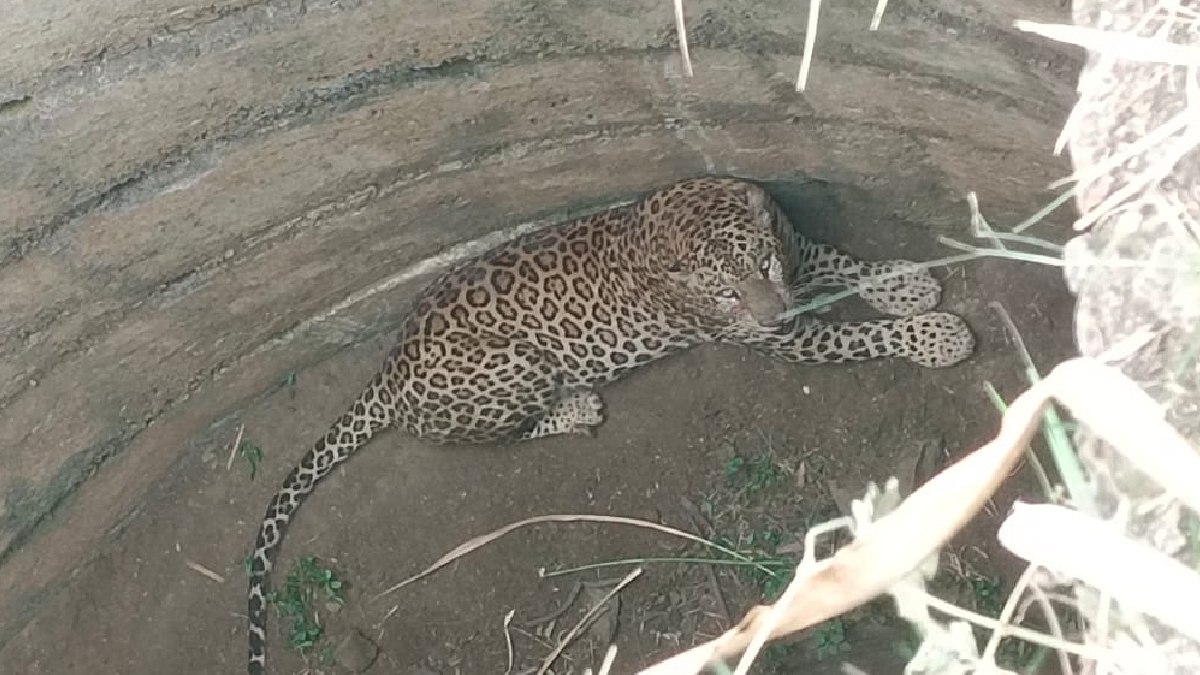
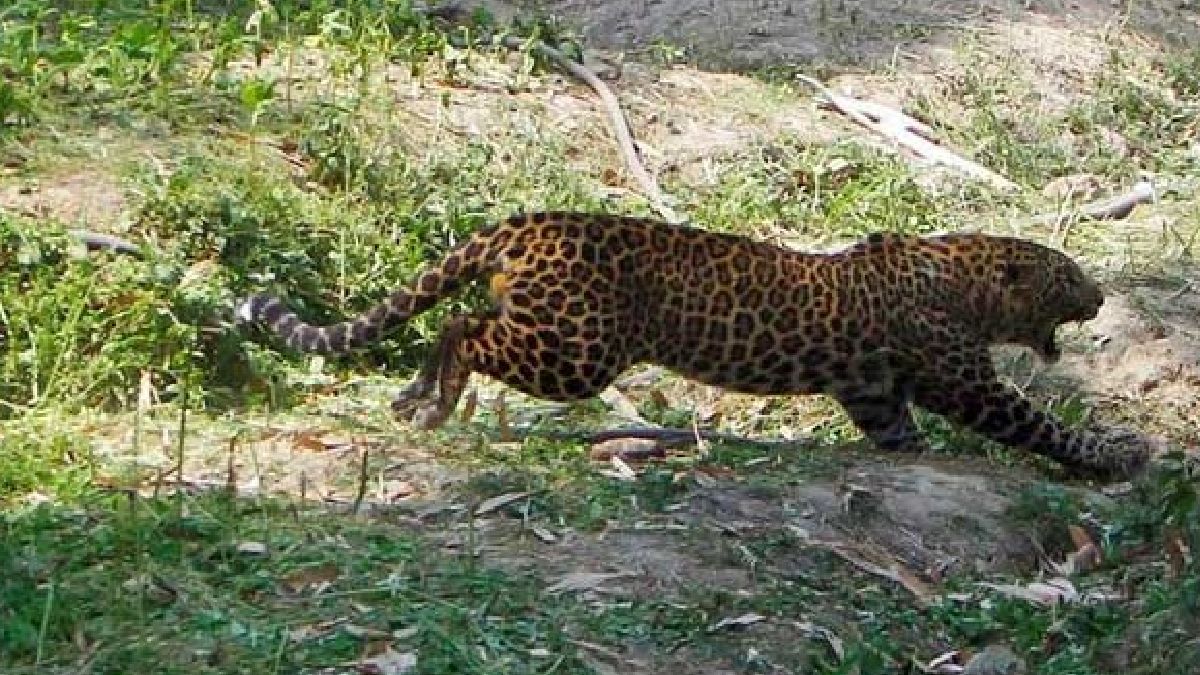
Residents in the Banashankari neighbourhood of Bengaluru were shocked after a leopard was seen in Banashankari, where a leopard was seen in a residential area on Tuesday evening when it was reported that the wild animal was roaming around 6:30 pm in Banashankari 2nd Block, 6th Phase, raising new worry about the rising incidence of leopards entering the city’s urban neighbourhood of Silicon City. It is the second time in a month that a leopard has been seen in the same area, and residents of Banashankari have been worried for a while now, they said.
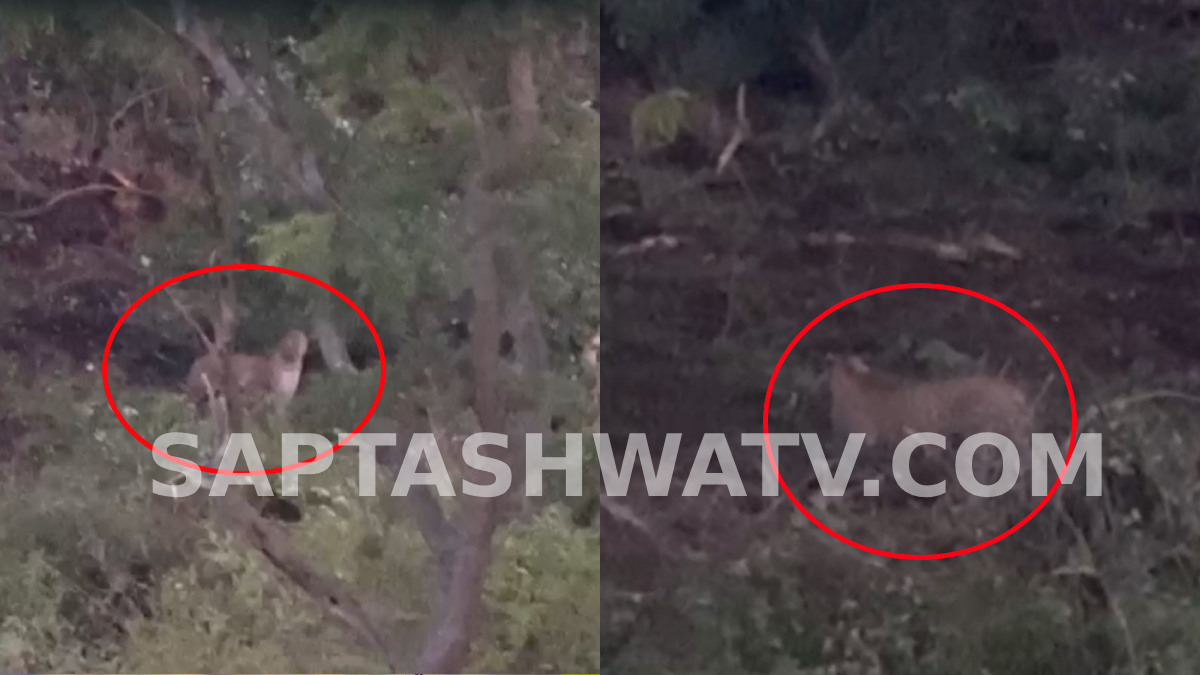
The leopard had already been seen by people in a populated area before it went underground, and some of them said they saw it moving through the area and disappearing. Residents said they saw the leopard in open areas and in the neighbourhoods. The news of the sighting spread so quickly that curious people were out and about while others stayed indoors as a precautionary measure. Photos and videos of the leopard have also been posted on social media.
The incident only underscores the ever-increasing interplay between wildlife and the city’s growing urbanisation. Leopard sightings are increasing in Bengaluru's forests, lake ecosystems and green corridors. The rapid urbanisation and expansion of residential areas have left wildlife with very little natural habitat, and wild animals come into the environment around urban areas looking for food and shelter.
Forest department officials were notified when residents reported the sighting. Teams were sent to the area to check on the existence of the leopard and assess the situation. Camera traps and night patrols will be installed to monitor the animal’s movement, officials said. Residents are warned not to panic and not to approach or take photographs of the leopard if it is seen again.
Leopards are adaptable animals and wildlife experts say they can survive in areas close to humans. But in densely populated areas there are risks to humans and animals. Residents should be careful, especially in early morning and late evening when leopards are generally more active, said a wildlife expert. Pet owners should keep their animals indoors, and children should not go out into isolated areas alone, he said.
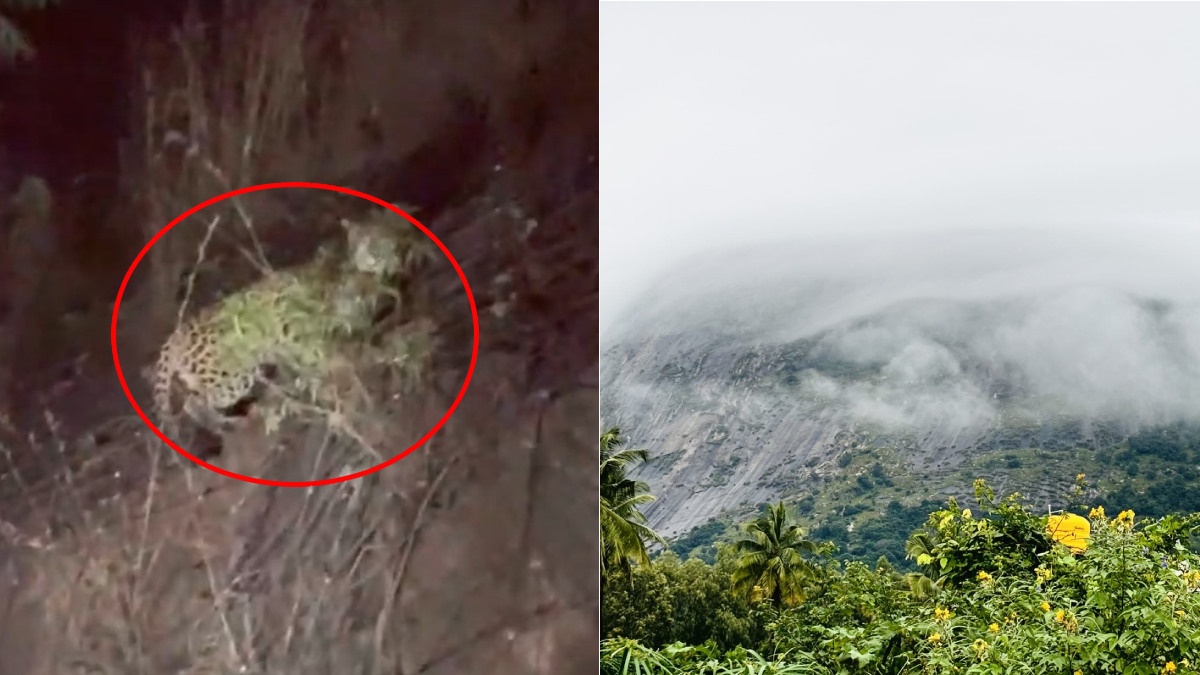
This is the second leopard sighting in Banashankari in a month, and residents have been calling for more monitoring of nearby green areas and wildlife movement corridors to be surveyed.
The leopard may have entered the area through connected green belts or undeveloped land in the southern part of Bengaluru, said officials. Similar incidents have also been reported in other areas near the forested areas, indicating a trend of wildlife moving into urban areas. Forest officials said that monitoring of the leopard is under control and the leopard is being tracked without causing too much disturbance.
Residents should also be on guard and report any new sightings to the Forest Department or local authorities immediately. People should not spread rumours or chase the leopard, because that’s an issue,” the officials said. The surveillance and monitoring would continue until authorities were confident that the leopard had moved away from the area or could be captured and relocated if necessary.
For Bengaluru, the leopard sightings are a reminder of the challenges of urban expansion into wildlife habitats. As the city expands, conservation planning, protection of ecological corridors, and public awareness are important to minimise human-wildlife conflict and to ensure the safety of both residents and wildlife.