The Lok Sabha was able to pass the Mines and Minerals (Development and Regulation) Amendment Bill, which is yet another step in the government’s efforts to shore up India’s essential mineral sector and allow for more flexibility in mining and mineral exploration.
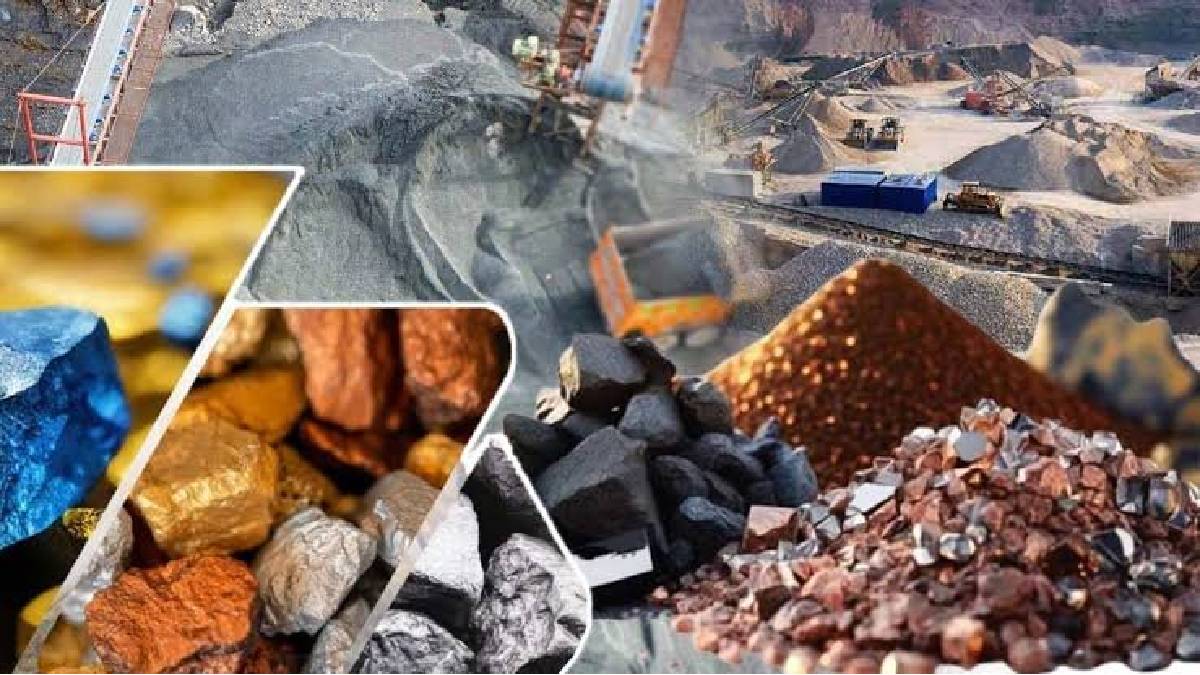
The passage of the legislation was at the center of the continuous disruptions in Parliament as opposition members protested and the government moved ahead and passed the MMDR Amendment Bill in the Lok Sabha.
Critical minerals have emerged as an increasingly important part of India’s economic and strategic priorities. Minerals such as lithium, cobalt, nickel, graphite and rare earth elements are essential for a wide range of modern technologies including electric vehicles, renewable energy systems, batteries, semiconductors, electronics and advanced manufacturing.
The increasing demand for these resources in India demands a more robust regulatory framework to encourage domestic mineral exploration and mining so that its international transportation and transport links can be less reliant on overseas suppliers.
A key thrust of the legislation is to give more flexibility to mining and encourage more exploration of key mineral resources. Better exploration can help to locate previously untapped deposits and to improve India’s understanding of its domestic mineral reserves.
The government has increasingly stressed the need to secure a resilient critical-mineral supply chain. Electric mobility and the growth of renewable energy and a growing demand for advanced electronics have made access to minerals a major economic and strategic issue globally.
The legislation is therefore being viewed in the larger context of India's efforts to build domestic capabilities in the whole mineral value chain, from exploration and extraction to processing and downstream manufacturing.
The passage of the Bill also comes at a time when Parliament has been repeatedly disrupted by the government and Opposition benches. In both Houses, there have been disruptions, and the Opposition parties want to be heard on important issues. Still, the government has carried out legislative business.
The MMDR amendments supporters have argued that greater regulatory flexibility can spur investment and participation in the mining industry. They also maintain that strengthening domestic mineral exploration is vital to India’s energy, technology and manufacturing goals and that the exploration of minerals from the ground up must be a part of a long-term strategic plan for the country.
A more flexible framework might also give companies in mineral exploration and extraction opportunities. More exploration could facilitate the discovery of new mineral deposits and the building of infrastructure.
Critical minerals have become more and more important given the global competition for their supply. Countries around the world are trying to secure reliable sources of minerals for clean-energy technologies and strategic industries. And India's efforts to diversify its sources as well as grow its domestic exploration are the same.
The MMDR Amendment Bill is being passed by the Lok Sabha as the first step in that process. The next stages of the parliamentary process will determine the Bill’s progress, and implementation will ultimately determine whether the changes translate into an increase in exploration and mining activity.
The government’s broader goal is to strengthen India’s mineral security and create an ecosystem capable of supporting the fast-growing technology and manufacturing sectors. To be sure, domestic exploration will still be a top policy priority for batteries, electric vehicles, clean energy and advanced technologies, with crucial minerals in the portfolio.
Despite fighting and disruptions on stage and in the Lok Sabha, the passage of the MMDR Amendment Bill shows the government’s continued commitment to mining sector reforms and essential mineral exploration. And it could shape the future of India’s mineral security and strategic resources in the next decade.