As we move into 2026, millions of Indian households are closely watching the government’s energy policies for potential relief from cooking gas expenses. While the prices of 14.2 kg domestic LPG cylinders have remained relatively stable throughout late 2025, several strategic shifts in India's energy landscape suggest a more affordable outlook for 2026.
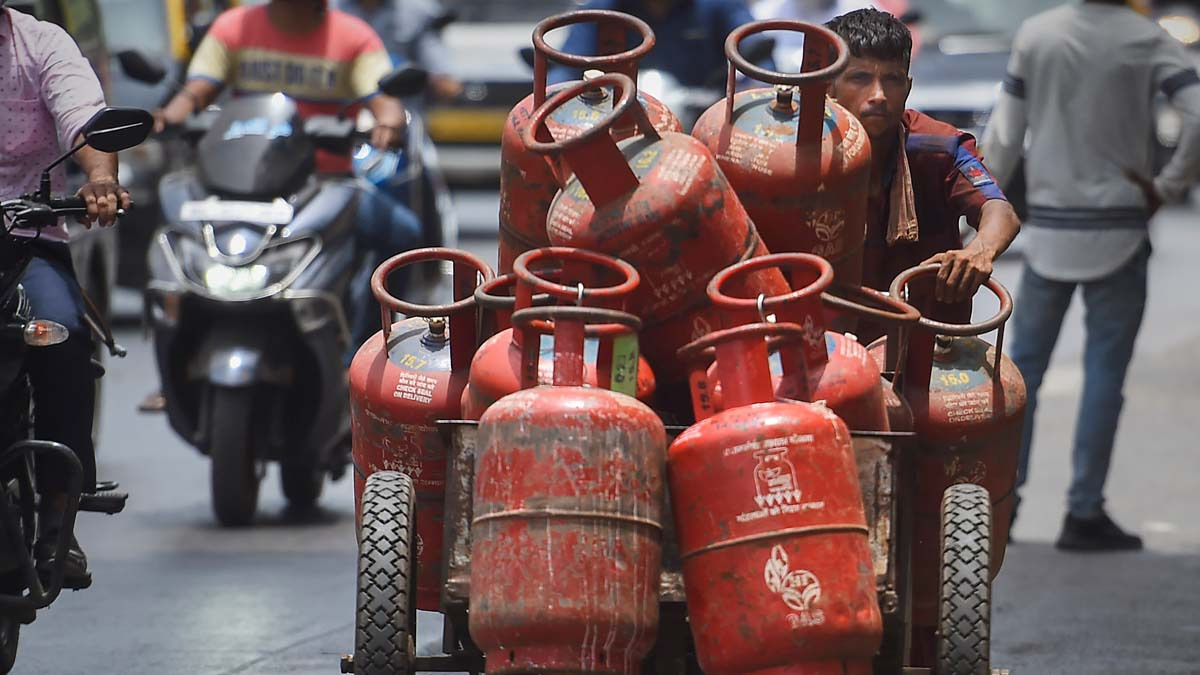
From landmark international trade deals to regulatory reforms in gas transportation, here is everything you need to know about the expected LPG price trends in 2026.
1. The US-India LPG Deal: A Game Changer for 2026
One of the most significant factors that could lead to a price reduction is India's strategic agreement with the United States for the import of Liquefied Petroleum Gas (LPG).
- Diversified Supply: Starting in 2026, this deal aims to reduce India's heavy reliance on traditional Middle Eastern suppliers.
- Price Stability: By diversifying sources, the Indian government hopes to shield domestic consumers from the volatile price swings caused by geopolitical tensions in specific regions.
- Lower Costs: Increased supply and competitive pricing from the US market could provide the necessary cushion for Oil Marketing Companies (OMCs) to slash retail prices for the common man.
2. Indirect Relief: The Rise of "One Nation, One Grid, One Tariff"
While not a direct cut to the LPG cylinder itself, the Petroleum and Natural Gas Regulatory Board (PNGRB) has approved a major reform effective January 1, 2026.
- Unified Tariffs: The government is moving toward a simplified transportation tariff structure.
- PNG & CNG Benefits: This reform is expected to reduce the cost of Piped Natural Gas (PNG) by ₹1.80 per SCM and CNG by up to ₹2.50 per kg.
- The Ripple Effect: As more urban households shift to cheaper PNG, the demand pressure on LPG cylinders may ease, potentially leading to more competitive pricing and better availability for rural and suburban LPG users.
3. Support for Ujjwala Yojana Beneficiaries
The government’s commitment to the Pradhan Mantri Ujjwala Yojana (PMUY) remains a cornerstone of its energy policy. For the financial year 2025-26, the Union Cabinet has already approved a targeted subsidy of ₹300 per cylinder for PMUY consumers.
- Estimated Cost: In cities like Delhi, where a domestic cylinder costs approximately ₹853, Ujjwala beneficiaries effectively pay around ₹553.
- Future Outlook: Analysts predict that as fiscal budgets for 2026-27 are drafted, the government may enhance this subsidy or announce further base price cuts to support low-income families.
Current LPG Prices (As of late 2025)
To understand the potential for a 2026 reduction, here is where prices stand currently:
| City | Domestic LPG (14.2 kg) | Commercial LPG (19 kg) |
| New Delhi | ₹853.00 | ₹1,580.50 |
| Mumbai | ₹852.50 | ₹1,531.50 |
| Kolkata | ₹879.00 | ₹1,684.00 |
| Bengaluru | ₹855.50 | ₹1,654.00 |