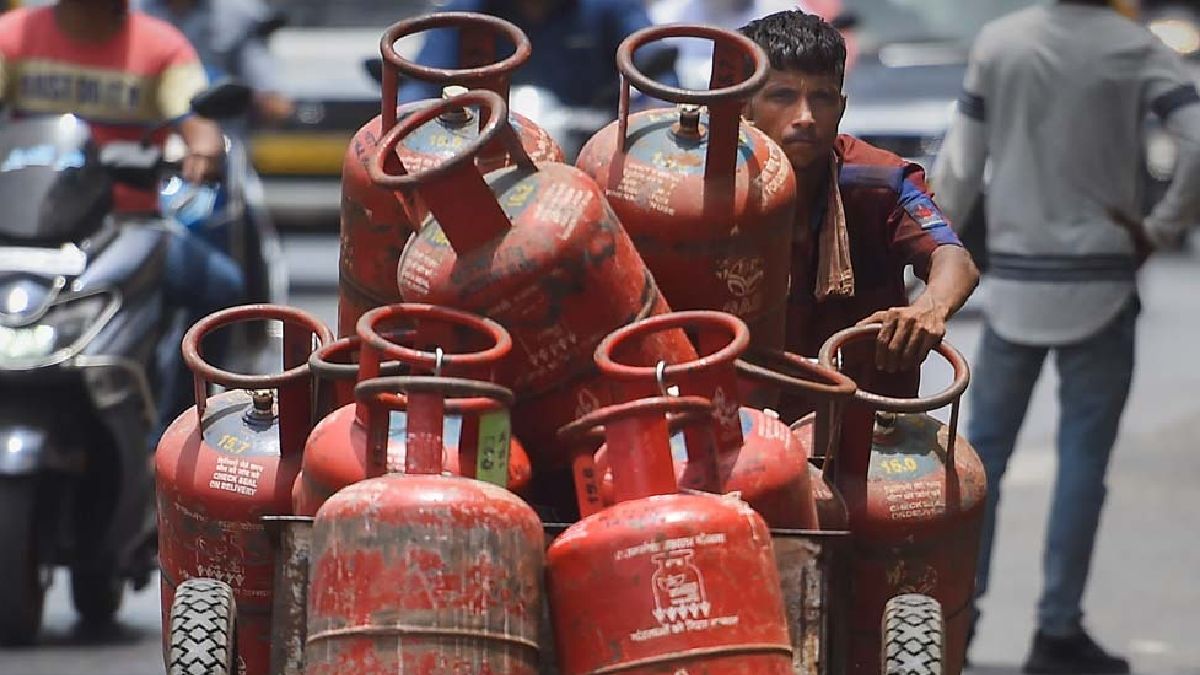
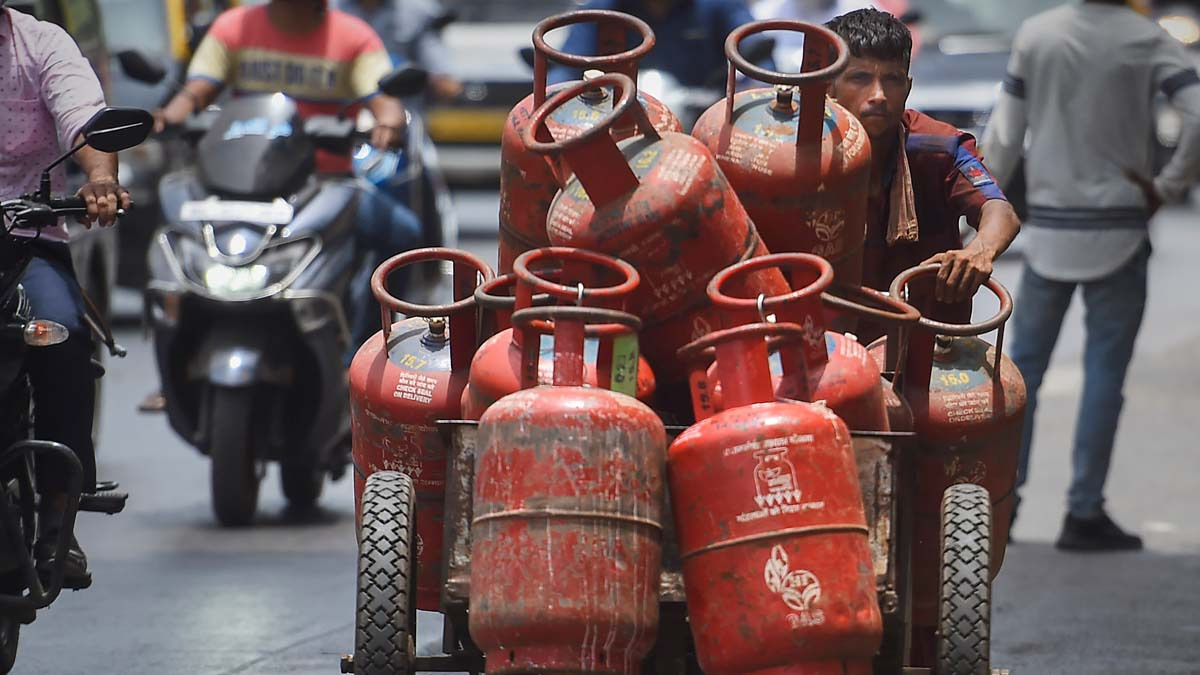
In a move aimed at transforming LPG distribution, Bharat Gas has introduced an innovative ‘Gas ATM’ system in the Delhi NCR region. The initiative is designed to tackle frequent LPG shortages while offering consumers a fast, hassle-free, and round-the-clock solution for accessing cooking gas.
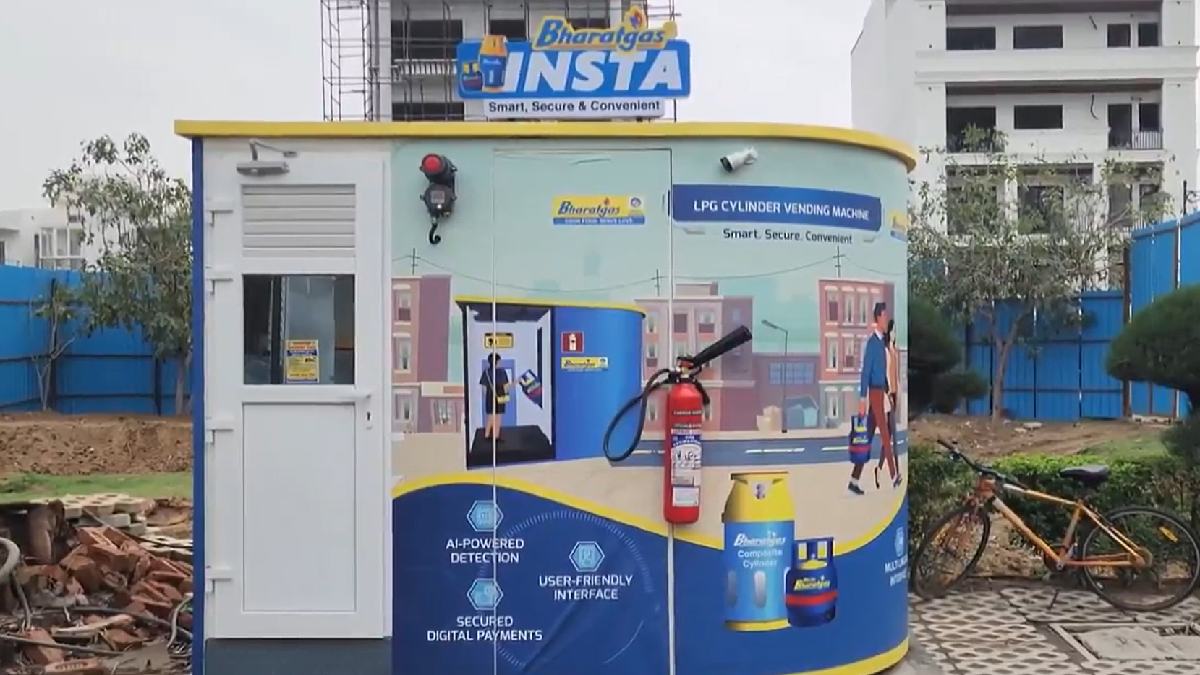
The Gas ATM operates much like a vending machine, allowing users to collect LPG cylinders without waiting in long queues or relying on home delivery schedules. Customers can visit the machine at any time, make a payment, and receive a filled cylinder within minutes.
The process is simple and efficient. After completing the payment, the system automatically opens a lower compartment that dispenses a filled LPG cylinder. Users can also verify the weight of the cylinder on-site, ensuring transparency and trust. The entire transaction typically takes just 2–3 minutes, making it a highly convenient option for urban consumers.
No queues, no delays: Bharat Gas launches 'Gas ATM' to tackle LPG crisis in Delhi-NCR.
— News Arena India (@NewsArenaIndia) March 21, 2026
The system aims to address frequent LPG shortages while offering round-the-clock convenience to users.
Upon successful payment, the lower compartment opens and dispenses a filled cylinder,… pic.twitter.com/331vEio9QF
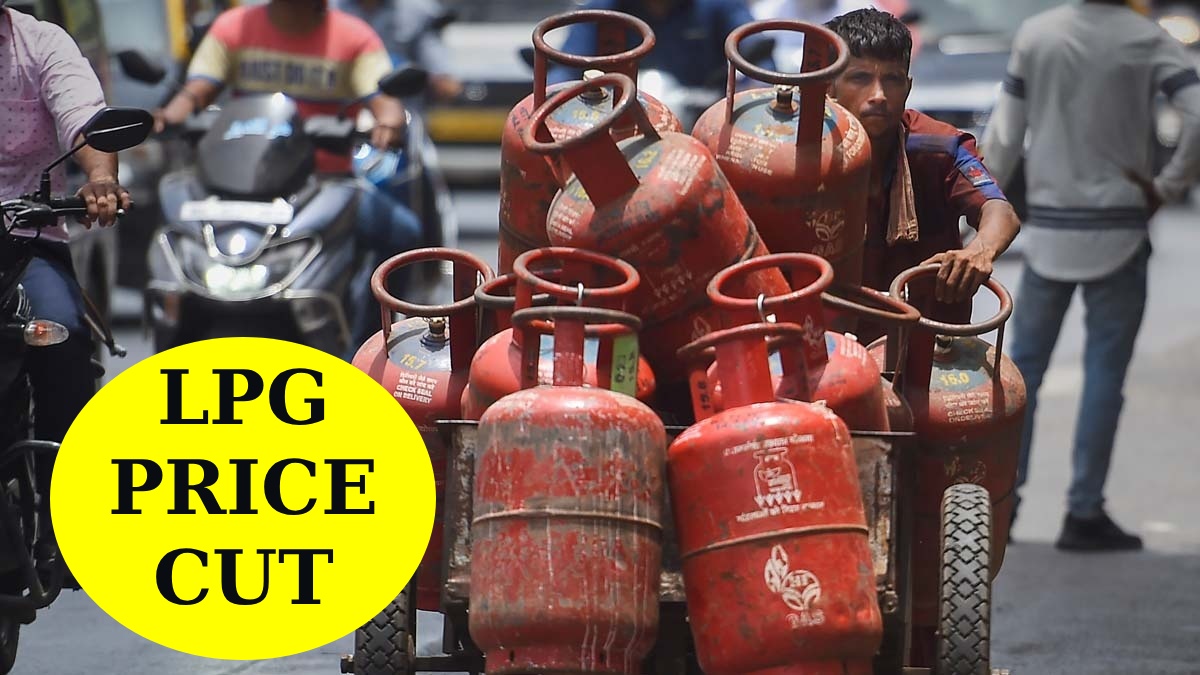
Currently, the system provides 10-kg composite cylinders, which are lighter, safer, and easier to handle compared to traditional metal cylinders. These modern cylinders are particularly beneficial for elderly users and those living in apartments, where portability and safety are key concerns.
The launch comes as part of efforts to modernize LPG distribution and address supply challenges in densely populated areas like Delhi NCR. Frequent delays and shortages have often caused inconvenience to households, especially during peak demand periods.
Industry experts believe that if successfully scaled, Gas ATMs could revolutionize how LPG is accessed across India, reducing dependency on traditional delivery systems and improving overall efficiency.
While the service is currently limited to select locations, its success could pave the way for expansion to other cities in the near future. For consumers, this means greater flexibility, quicker access, and a more reliable supply of essential cooking fuel.