After seventeen years behind bars, Tulsiram and Harprasad Rajpal have finally been granted justice in the Madhya Pradesh High Court; the two brothers have been acquitted of their murder cases as well and the Madhya Pradesh High Court has made them free. The case dates back to August 25th, 2009, when Pyarelal Gadariya was stabbed to death in the Damoh district of Madhya Pradesh. Local police arrested the Rajpal brothers as the prime suspects. The local sessions court in Damoh gave them a guilty verdict in 2012 and sentenced them to life in jail. However, the brothers challenged the trial court's decision in the high court through their lawyer Ajay Kumar Jain to contest the conviction.
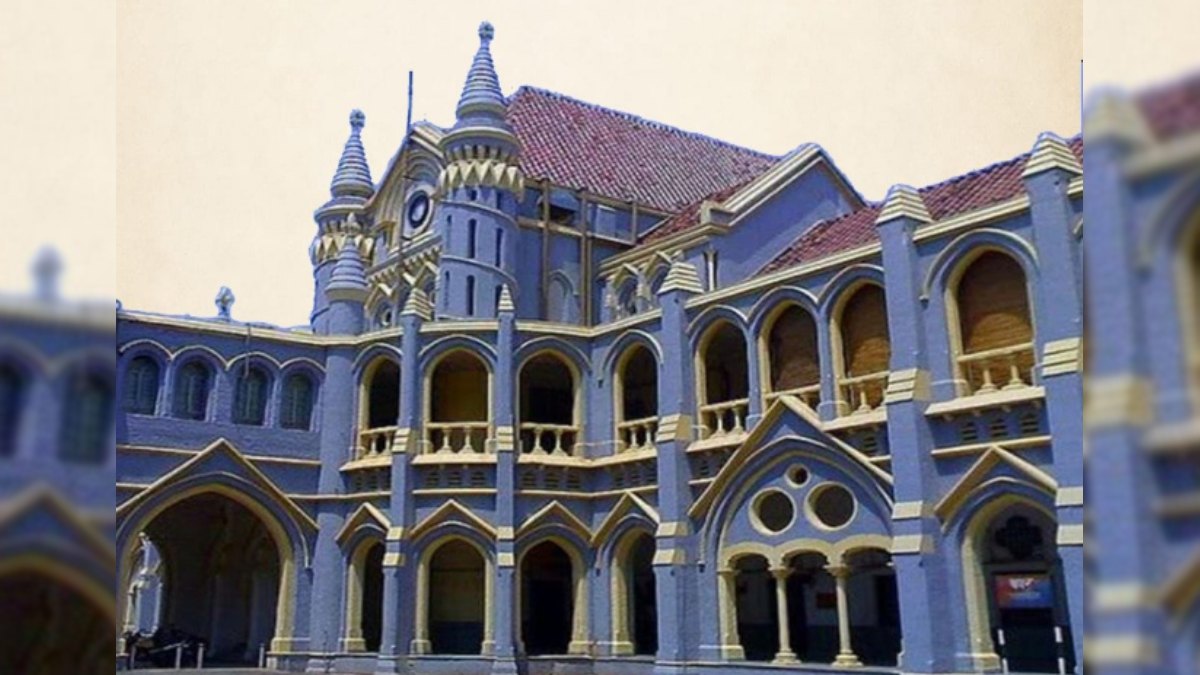
After a thorough review of the legal proceedings, a division bench of Justices Vivek Agarwal and Avnindra Kumar Singh found a number of serious flaws in the police investigation and in the charges of the state prosecution. The high court found that the contradictions and extremely suspicious circumstances of the investigation undermined the prosecution’s case, and a conviction on such shaky grounds was simply not right. The bench then concluded that the prosecution totally failed to substantiate the criminal charges against the accused beyond a reasonable doubt and gave the benefit of the doubt to the respondents, ordering their immediate release from custody.
The high court highlighted one of the critical lapses made by the investigating officer in identifying which police officer had first written the First Information Report. The officer who wrote it was never presented before the court and never testified. The family of the victim also reported inconsistencies in testimony by their witnesses. The victim’s son claimed his father died after leaving the police station, and his wife said he was alive when they reached the hospital. The attending medical officer who examined the victim stated he was dead upon arrival at the medical center.
Further doubts regarding the authenticity of the case records were raised when the court observed that the deceased habitually signed his name while the official FIR bore a thumb impression, prompting the court to consider the possibility that the document was fabricated after his death. The court also looked for medical referral documents regarding his transfer to the hospital, but no such documents were found. The case was also weakened by scientific evidence, as forensic analysis showed no bloodstains on the knife recovered and presented by police as the primary murder weapon. Coupled with the additional delay of fifteen to thirty days in recording witness statements, these systemic failures compelled the high court to revoke the life sentences and release the two brothers.