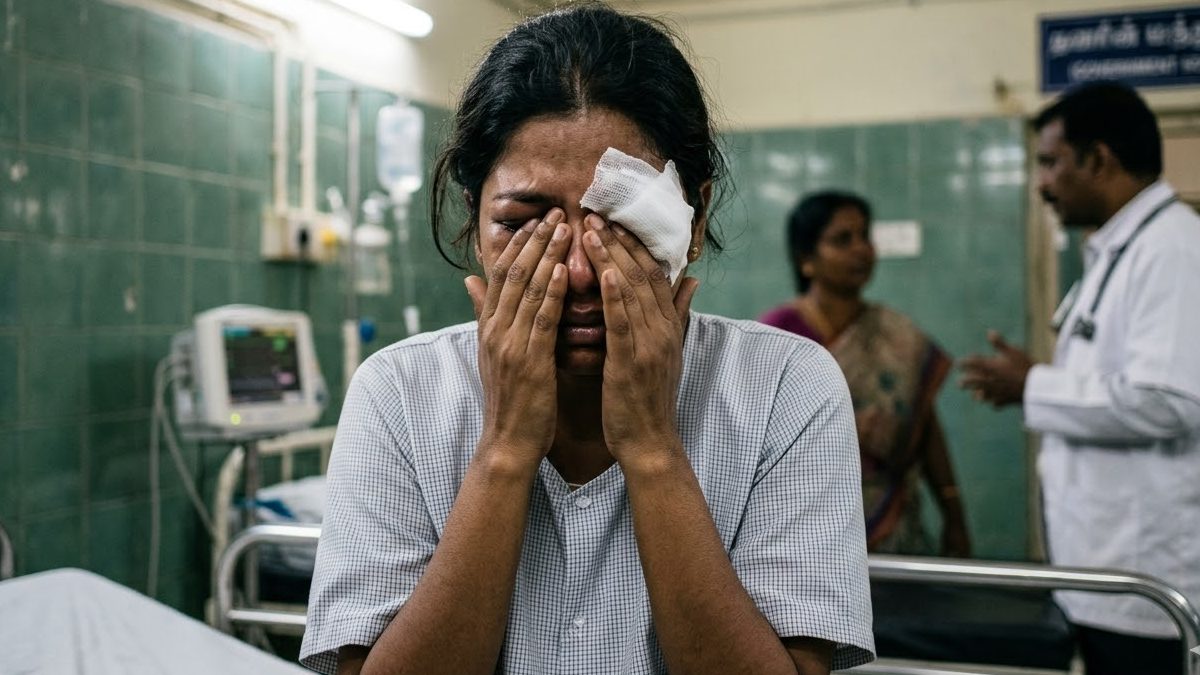
Hospitals throughout Chennai are reporting a dramatic rise in episodes of acute conjunctivitis, commonly referred to as ‘Madras Eye.’ While the infection usually surges most during the monsoon, ophthalmologists are sounding alarm over a counter-seasonal surge this March, with the rapid spread attributed to a deadly combination of extreme heatwaves and deteriorating urban air quality. Clinical assessments from leading eye care hospitals, including the Dr. Agarwal Eye Hospital, show that the daily caseload has jumped by nearly 20% over the last fortnight.
The Pollution Link: PM2.5 and Ocular Health
Medical experts are focusing on a direct correlation between the declining air quality in the city, which is increasingly dangerous for the eyes. “Fine particulate matter particularly PM2.5 is a principal irritant eroding the eye’s natural protective tear film.” “Our patients come with allergic conjunctivitis at all levels of intensity,” said a senior ophthalmologist at a governmental facility in North Chennai. "The PM2.5 particles from automobile emissions and industrial dust settle on the cornea, causing micro-scratches and inflammation. It’s a lot easier for the adenovirus the main causative agent of Madras Eye to take hold and spread."
Climate Change: The agent of infection
The spike comes at the same time that a recent Climate Change Perception Study found that 85% of Chennai residents perceived extreme heat as an immediate risk to personal health.
- Heat and Humidity: The IMD is forecasting heatwaves of up to six days for Chennai during this month. Warm temperatures combined with coastal humidity serve as prime breeding grounds for viral pathogens.
- Water Scarcity: 70% of people state they are water stressed. Hygiene levels in densely populated areas like North and Central Chennai have been compromised, facilitating the spread of the virus through shared towels and contaminated surfaces.
Symptoms to Watch Out For
Doctors advise the public to watch out for the following symptoms:
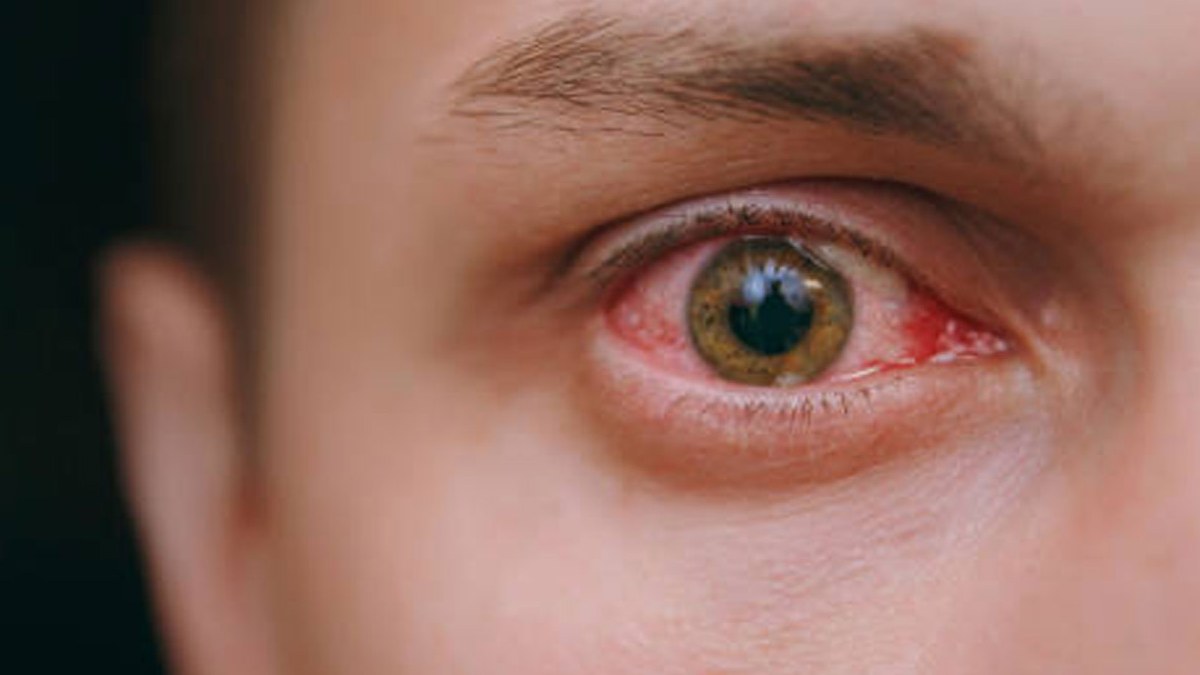
- Intense redness and feeling "gritty" – like sand in the eye.
- Yellow or watery discharge.
- The eyelids swelling and light sensitivity (photophobia).
- Vision blur in worse cases (may indicate the infection entered the cornea).
Guidance on Experts and Prevention
Ophthalmologists are urging against self-medication, cautioning that using steroid eye drops incorrectly could cause long-term corneal damage or drug-resistant strains of the virus.

Preventive Measures:
- Wear Protective Eyewear: Put on wrap-around sunglasses when outside to block dust and other pollutants.
- Hand Care: Avoid touching or rubbing your eyes. Wash your hands very often with soap.
- Stay isolated if infected: Stay home from school or workplace for at least 5–7 days to prevent transmission.
- Clean Water: Wash your face with clean, filtered water after coming back from polluted environments.
This surge of 'Madras Eye' illustrates concretely how health related to the environment directly affects everyone's life in a city struggling with the double burden of a climate change-driven public health crisis posed by increased pollution.