Maharashtra has declared drought conditions in 265 of the 358 tehsils in the state, nearly three-quarters of the state under the drought category. The decision, announced on September 26, 2026, follows persistent rainfall deficits and dry spells that have affected agricultural activity and crop conditions in several parts of the state. Drought in 32 districts is reported.
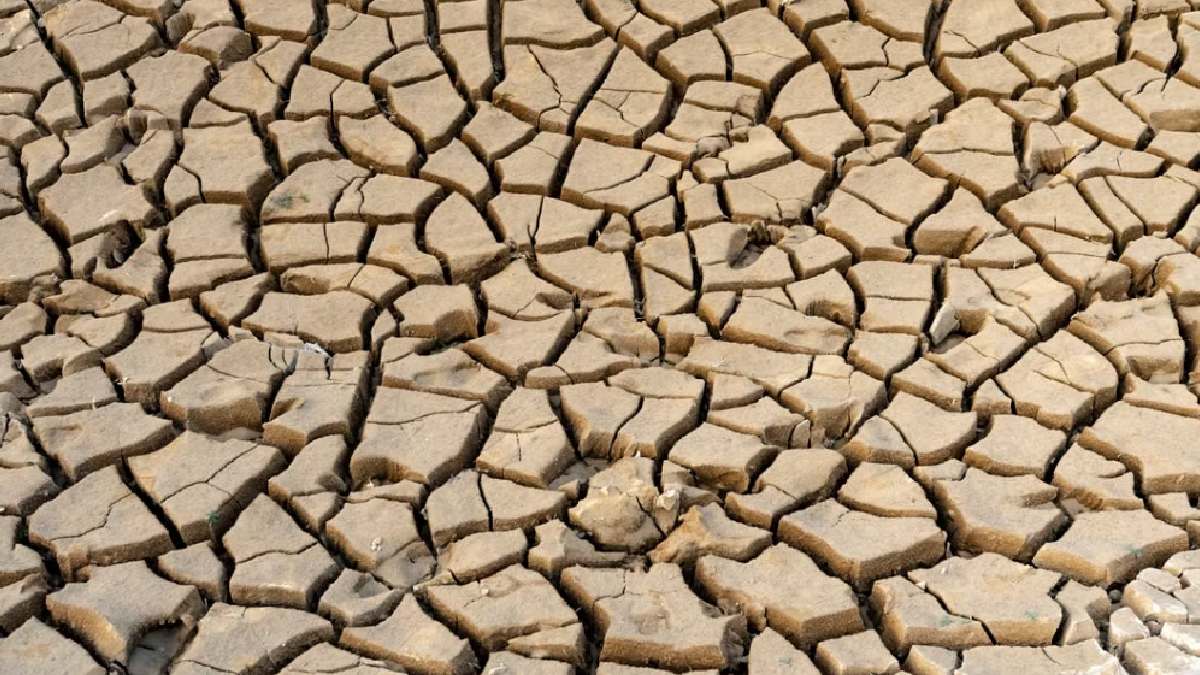
The decision was made following an assessment made by the Agriculture Commissioner in 265 talukas from June onwards of drought-like conditions. The assessment also took into account rainfall shortages and other variables such as water availability and agricultural conditions. The government has activated the first stage Trigger-1 in its drought management framework for the affected areas.
The drought declaration will be a huge deal for Maharashtra’s agriculture-dependent areas where the monsoon’s effect on the sowing, crop yields and farm incomes is crucial to the agricultural sector. A dry spell during the Kharif season can affect crops even if seasonal rainfall data does not necessarily indicate a lack of rain. The state had been facing rain deficiency and crop problems in some districts before the official declaration.
The government has announced a series of measures which we hope will bring immediate relief to farmers and rural communities. This includes a waiver of land revenue for farmers, restructuring crop loans and keeping recovery of agriculture loans on track. We have also said that additional financial assistance for crop damage will be determined separately after detailed assessment.
District Collectors are required to begin crop-loss assessments via panchnamas. Farmers are expected to document crop damage in the affected areas and record evidence, such as photographs with GPS coordinates. The reports will then be provided to the government through the Agriculture Commissioner. These assessments will help determine the extent of crop damage and aid that can be given to farmers going forward.
The government has also said that the crop-damage assistance will be announced in a separate Government Resolution after the assessment process is completed. That means the drought declaration and the eventual compensation for crop losses are two separate phases of the relief process. Farmers and local governments will thus have to wait for the assessment data before the final assistance amount is determined.
Several districts have been particularly affected by the rainfall deficit. According to reports, drought-hit talukas include Solapur, Ahilyanagar, Nashik, Latur, Beed, Buldhana, Amravati, Yavatmal, Nagpur and Chandrapur, among others. Such a large declaration underlines the geographical spread of rainfall-related agricultural stress in Maharashtra.
The announcement comes a couple of days after Maharashtra Chief Minister Devendra Fadnavis visited rain-deficit areas. Fadnavis had said during his tour that the state government would take measures to address the drought-like conditions and help farmers.
The drought had already triggered calls for government intervention. Calls to declare affected areas drought-hit had been growing in September as farmers worried about crop damage, water availability as well as the outlook for the agricultural season. The state government’s decision now formally brings 265 talukas under the drought-management framework.
The impact of the rainfall deficit could extend beyond the current Kharif season. Water availability, livestock needs and preparations for the Rabi season may also be important issues in areas in which rainfall and groundwater conditions are not satisfactory. Local government will continue to monitor water and agricultural conditions as the season progresses.
For farmers, the immediate task will be crop assessments and implementation of the relief measures announced. Panchnamas will provide the most informative information on crop details and photographic evidence to determine the extent of damage. The decision-making of the government in terms of financial assistance will be based on these assessments.
With 265 of 358 tehsils now declared drought-hit, Maharashtra is facing a major agricultural challenge as it moves into the next phase of the farming season. The government will have to coordinate relief measures, crop-loss assessments and water management in the affected regions. Additional announcements on crop-damage compensation will be made once the assessment is complete.