The significant progress in Maharashtra since the Special Intensive Revision (SIR) exercise that has been organised by the Election Commission where more than 93% of enumeration forms were delivered to eligible voters and 72.89% of the collected forms were digitised. These numbers show how quickly the electoral roll revision process is going and how the state's voter database is updated to meet the current situation and will be ready before the next elections.
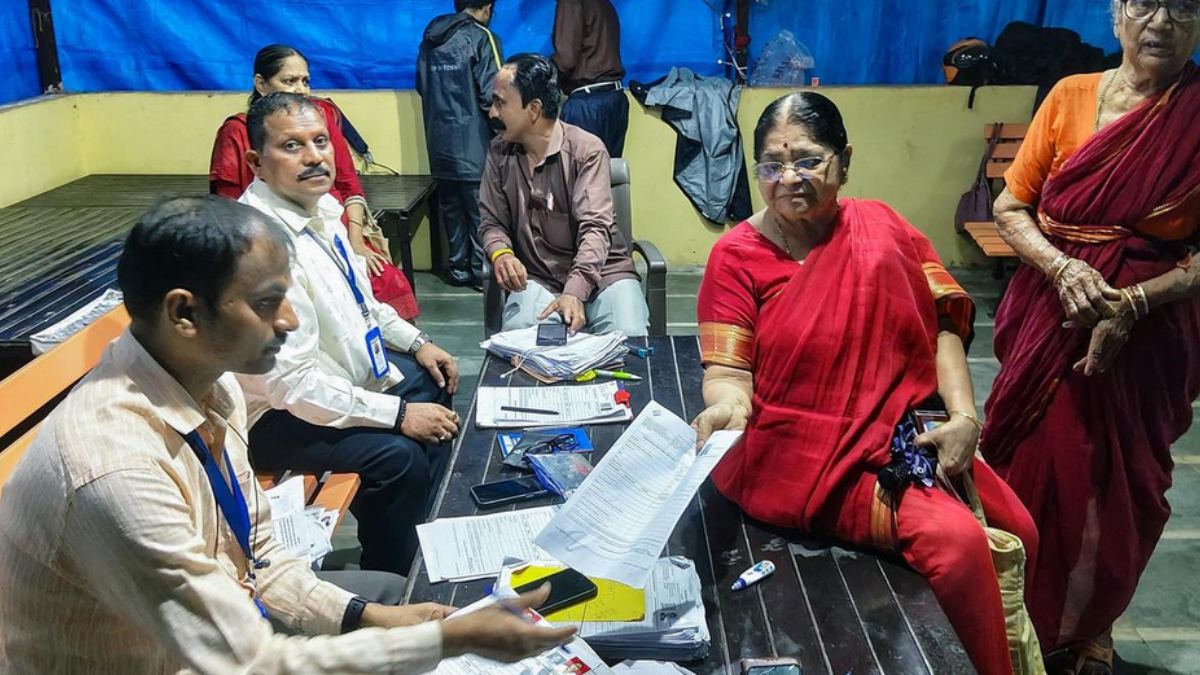
Special Intensive Revision is a comprehensive exercise by the Election Commission to verify voter details, update electoral rolls, and guarantee every capable citizen has an opportunity to participate in the democratic process. There will be no duplicate, outdated, or incorrect entries in the electoral rolls and newly eligible voters are added.
According to the latest official update, field teams have distributed more than 93 percent of the required enumeration forms across Maharashtra. This is an important milestone in one of the country's largest voter verification exercises and demonstrates the huge effort of election officials, booth level officers (BLOs), and administrative personnel working in urban and rural areas.
As well as distribution of forms, authorities have made significant progress in digitising the collected information. 72.89% of the forms received have already been uploaded into the digital system as of the latest update. Digitisation is an important part of the process because it can be done faster, reduces manual errors, and the electoral roll management will be more efficient.
Digital technology has greatly simplified the revision process, election officials have said. Once forms are digitised, the data can be compared with the old electoral records to identify any differences and update the voter information to ensure the integrity of the electoral database. This digital method also makes the system transparent and can allow for applications to move quicker.
The Special Intensive Revision is particularly important since electoral rolls are the cornerstone of India's democratic elections. Voter lists are accurate so that every eligible citizen can exercise their constitutional right to vote and avoid duplications or a lot of other glitches that might affect the electoral process.
The officials are calling on residents who have not submitted their forms to cooperate with booth-level officers and complete the verification process within the prescribed timelines. Citizens are urged to check their personal information (name, address, age, etc.) to ensure that all the information in the final electoral rolls is accurate before they are published.
The Election Commission has deployed thousands of booth-level officers across Maharashtra to conduct door-to-door verification, distribute forms, and assist voters in completing the documentation process. In remote villages in addition to densely populated urban areas, these officials have been working to reach every eligible household and facilitate maximum participation.
Digital transformation is playing a growing role in election management in India. With the consolidation of data in digital forms to digital records, data processing can be fast and records can be kept and maintained more efficiently. The digitisation process also facilitates better coordination between election offices at district, state, and national levels.
Electoral roll changes are an important part of keeping public confidence in the democratic system, electoral roll reformers say. Population movement, urbanisation, migration, and demographic changes are constantly changing electoral databases in order to ensure electoral databases accurately reflect the voting population. There is also periodic verification of first-time voters who have recently become eligible for the first time.
The progress in Maharashtra shows the inter-related administrative coordination involved in such an exercise. To implement it successfully, election officials, local administration, government departments, and community members need to be involved. The high level of form distribution indicates an accurate and broad field approach to form distribution and the digitisation rate is also evidence of the growing incorporation of technology in election administration.
As the Special Intensive Revision draws closer, election authorities will continue to verify submitted information before publication of the new electoral rolls. Citizens who find discrepancies in their records and wish to address them can do so in the way outlined above.
With more than 93 percent of enumeration forms distributed and nearly 73 percent digitised, Maharashtra’s electoral roll revision has taken place. The ongoing work of the Election Commission promotes accurate voter records, enhances electoral transparency, and provides an opportunity for all those who wish to participate in India’s democratic process.