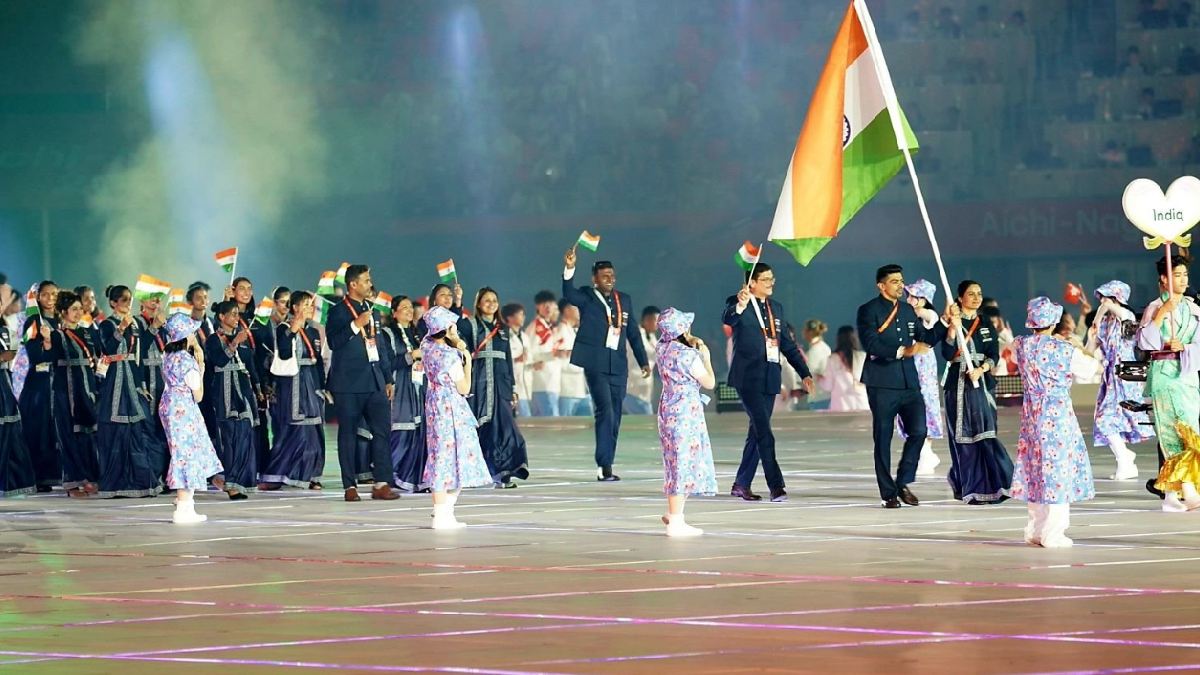
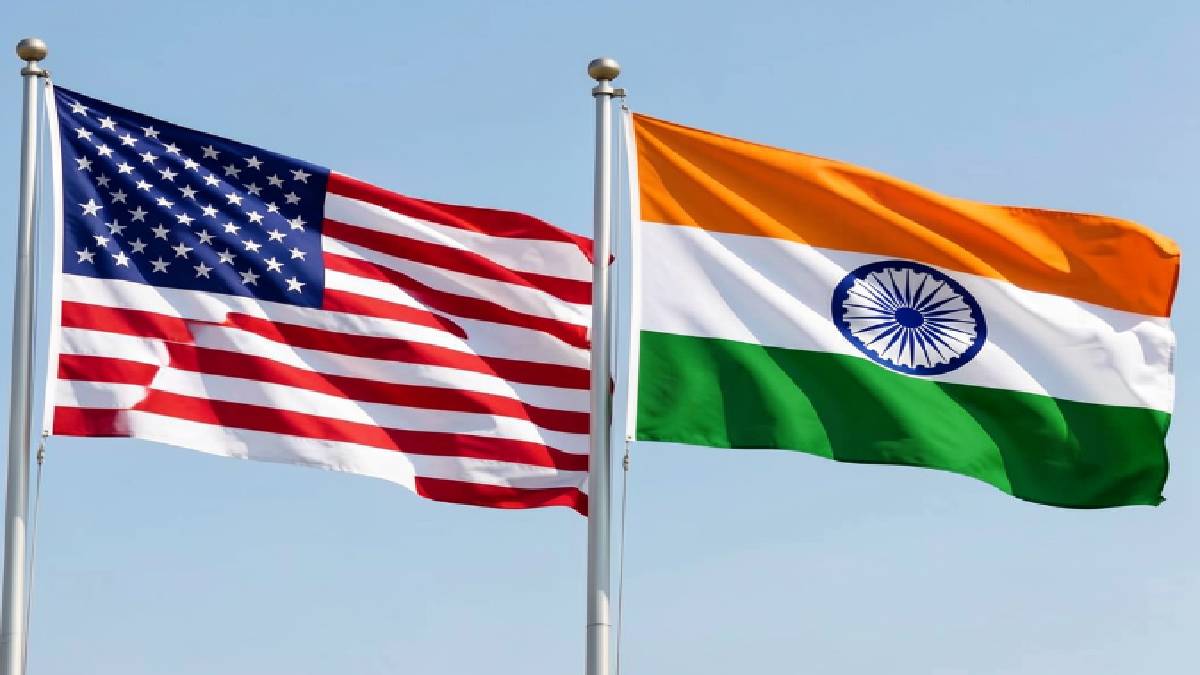
India is also framed in different ways. On one side, it is known for its culture, cultural diversity, and its speed of growth. On the flip side, it is sometimes unfairly judged in online spaces. One of my fellow visitors to India said recently that his experience smells far worse in New York than what he felt in India. It’s an assessment that goes against the stereotypes that often get circulated online and the issue of how propaganda and selective narrative has affected world views of India.

A lot of vloggers and online influencers have done this very kind of thing in recent years — made videos or content to only show the bad in India. They zoom in on squalor, slums, pollution, poverty, neglecting the country’s progress, innovation and hospitality. These are typically videos that are designed to click and have a viewership impact, not a fair portrayal of society. As a result, it can lead audiences abroad to form opinions of what they see based on incomplete or exaggerated portrayals.
An American recently visited India and said the smells in New York feel far worse. The online hate campaign against India is largely driven by vloggers who deliberately highlight only the dark and negative aspects for clicks. Slowly, people are realising that much of the hatred… pic.twitter.com/4mMyQf7kSk
— Meru (@MeruOnX) February 6, 2026
The online criticism of India is not always organic. Most of that is manufactured propaganda to satisfy the demand for sensationalized content. As a result, the negative aspects of creators showing only the negatives feed stereotypes and perpetuate the stereotype and perpetuate the old narrative about a country. This cherry-picking narrative omits the fact that we all face challenges within every nation that we have sanitation or infrastructure or social problems. The visitor’s assertion that New York comes out on top in smell is proof that problems exist everywhere, not just in India. This shows that America has a lot of problems — no matter what’s wrong with India.

Gradually people are starting to understand that the online hate directed at India is just the illusion. And then we see the positive tales that travelers who have been to, not just with their immediate host country, often share about the warmth, the food, the customs, the hospitality and the resilience. And social media users are turning increasingly skeptical of posts that appear to be constructed only to shock or put down. A fair-minded narrative will be more important, since audiences are looking for the true story and not for propaganda.
India is a country of contrasts, and it has both challenges and achievements in its efforts. It is the seat of world-class technology centers, pulsing cultural festivals and a large, burgeoning middle class. At the same time, it keeps addressing the likes of urban cleanliness and infrastructure issues. Identification of such complexity is key to understanding authentic India, rather than filtering it through selective online representations.
But the comment from the American visitor also reminds people that negative stereotypes about India are usually exaggerated or manufactured. While online hate campaigns have a way of generating clicks and may in some people's minds help people understand the whole of India better, they do not reflect the true picture at all. As more people share their genuine experiences, India is now shown in a fairer, more balanced light than any previous era. That is, by seeing things in a new light, people understand India and not just the challenges it faces but also its many strengths.