Religion in India is a very personal but widely present aspect of life. Personal narratives about people transitioning from one belief system to another frequently generate discourses about identity, faith and community. Recently the woman’s situation of following the Hajj in Mecca, adopting Sanatana Dharma and performing certain rituals linked with Hinduism recently received more attention. This journey is a story of the complicated ways in which both faith and person-made belief can influence lives.
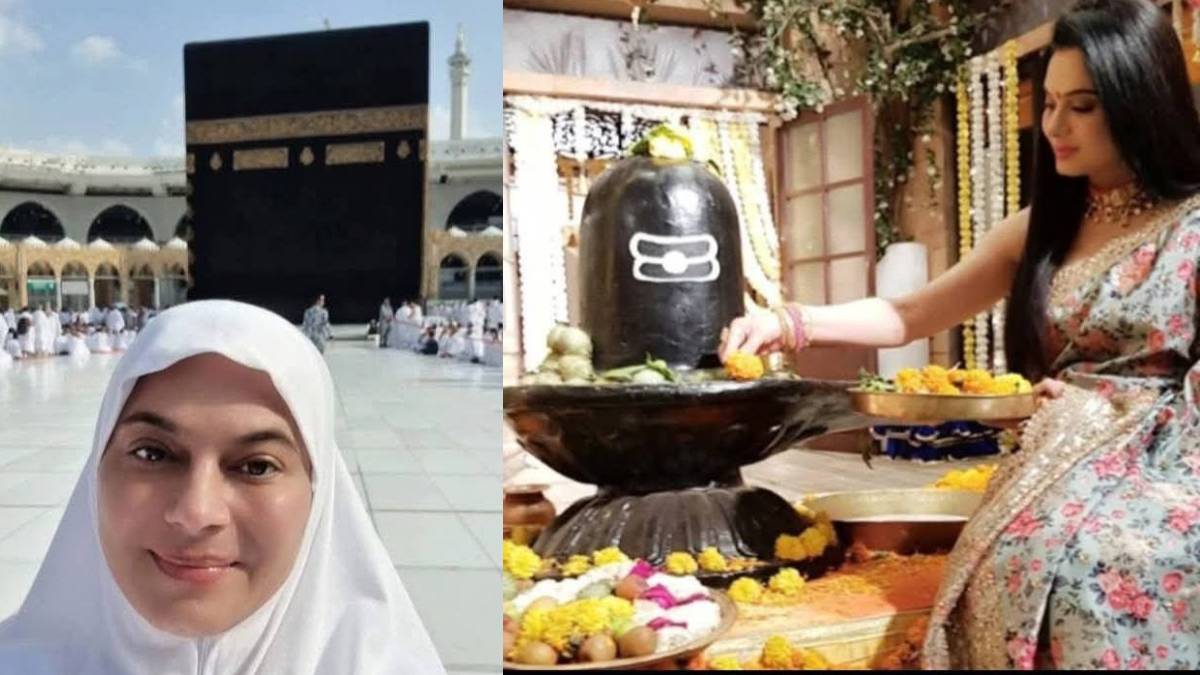
The woman’s spiritual journey began with Islam, when she undertook the sacred Hajj pilgrimage to Mecca, one of the most significant pilgrimages for Muslims across the world. From there, she appeared to perform rituals alongside a Shiva Lingam, a Hindu imagery of Lord Shiva in the name of the divine. This represented her acceptance of Sanatana Dharma, the ancient Hindu way of life. This transition is also powerful, one to religion, but it also represents a change of the soul that we have.
For some, the sight of worshipping at the Kaaba and following with Hindu rites could then have a contradictory effect. Yet it serves to show, for the most part, just how individual faith really is. Religion isn't always an identity that is set. In accepting Hindu traditions, she has chosen to adopt another spiritual philosophy; she now stands for devotion, ritual and cultural continuity as her philosophy.
In a faith country like India, where religion is fundamental to life, such transformation tends to attract focus. Supporters of Sanatana Dharma have received her decision well, it’s a revival of Hindu ideals. However, those stories can also raise issues of religious freedom, social acceptance and the pressure people face to make such decisions. That's because faith is ultimately personal and we should treat everyone the way that feels right to them.
India’s diversity means stories like this one are not unique. People throughout history have oscillated between faiths, shaped by lived experience, social context or philosophy. These transitions remind us that religion consists not simply of rituals but also of meaning, membership and identity.
The story of this woman’s passage from Islam to Hinduism signifies more than changes in ceremony. It’s a metaphor for how personal belief can change a face and identity. In a country like India which is a melting pot, people need to remember this whole culture and social impact of faith.