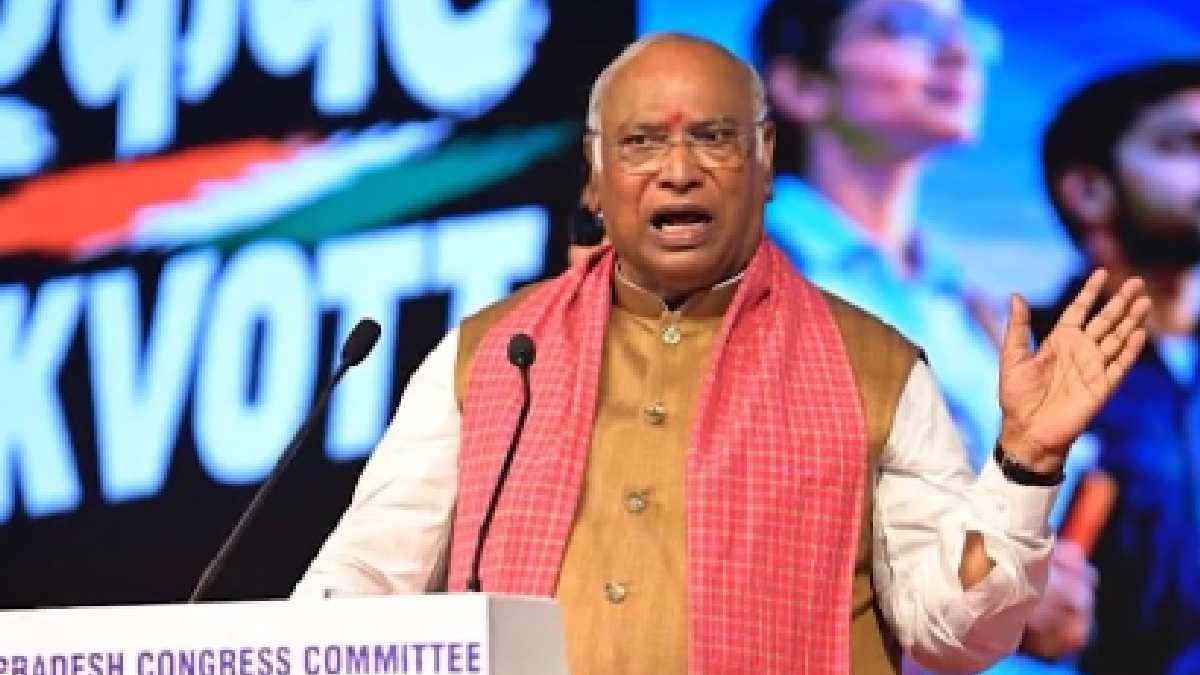
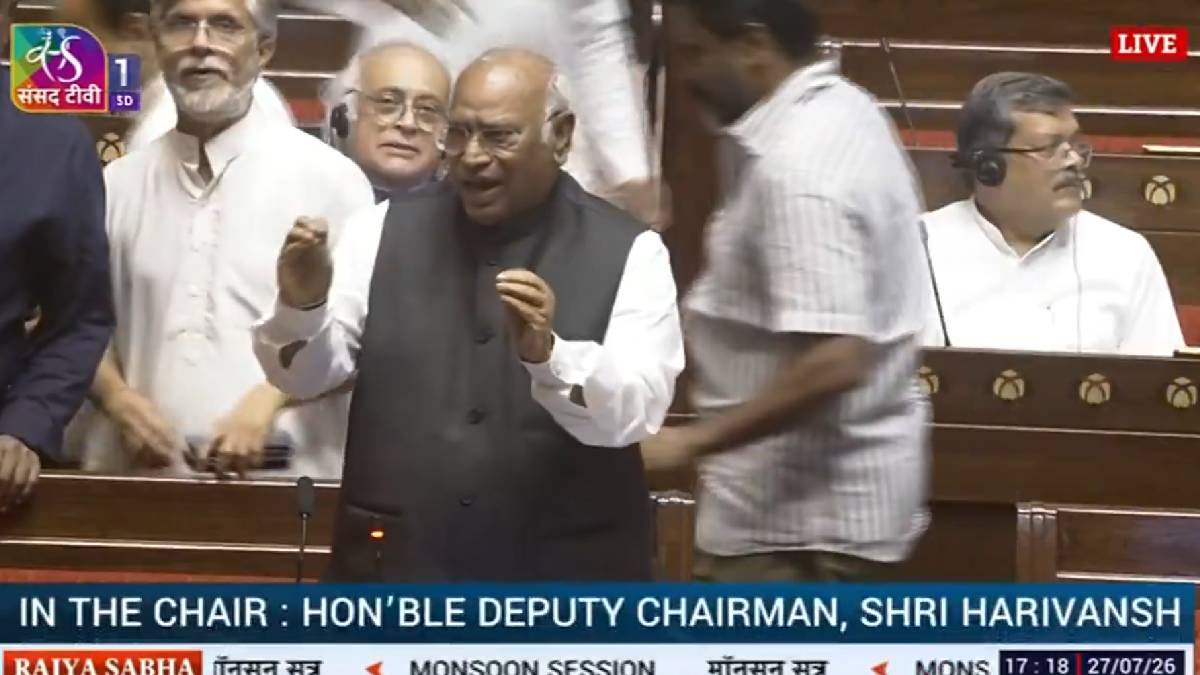
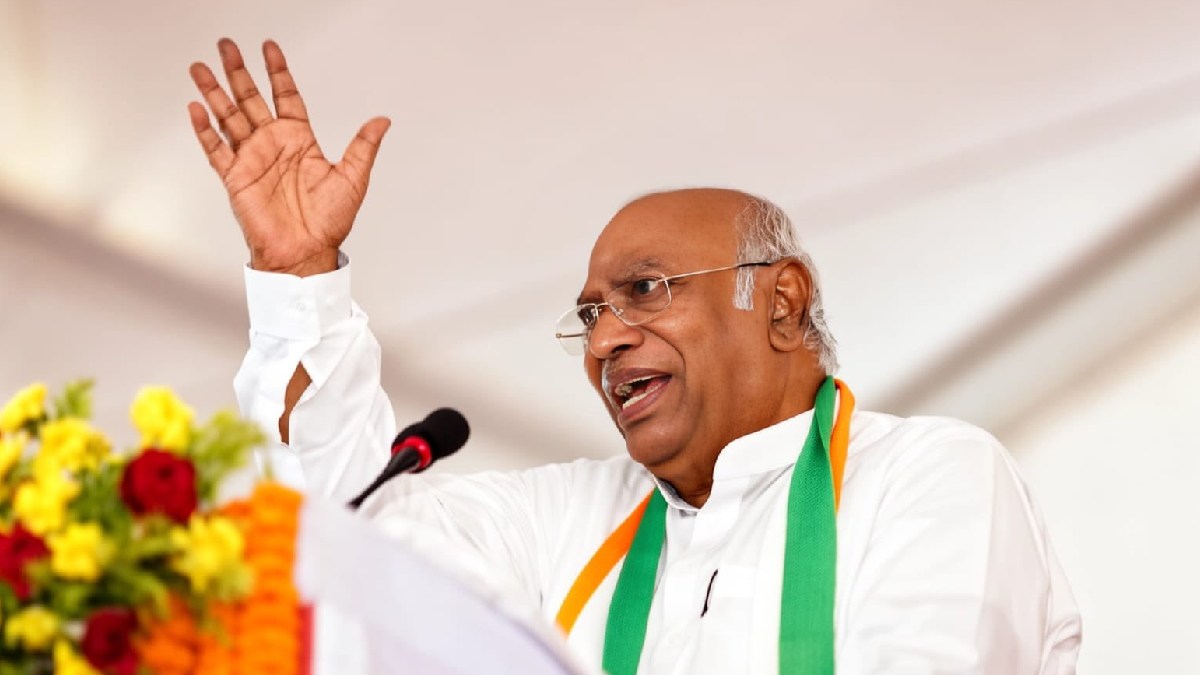
A fresh political fight erupted in the Rajya Sabha yesterday when Congress President and Leader of Opposition Mallikarjun Kharge called for the resignation of Union Education Minister Dharmendra Pradhan, saying he would not be able to have a fair and just discussion on the education sector and the issues of education that have been raised in the past few months until the minister steps down as he asked the government to remove Dharmendra Pradhan from the ministry, in a ruckus in Rajya Sabha.
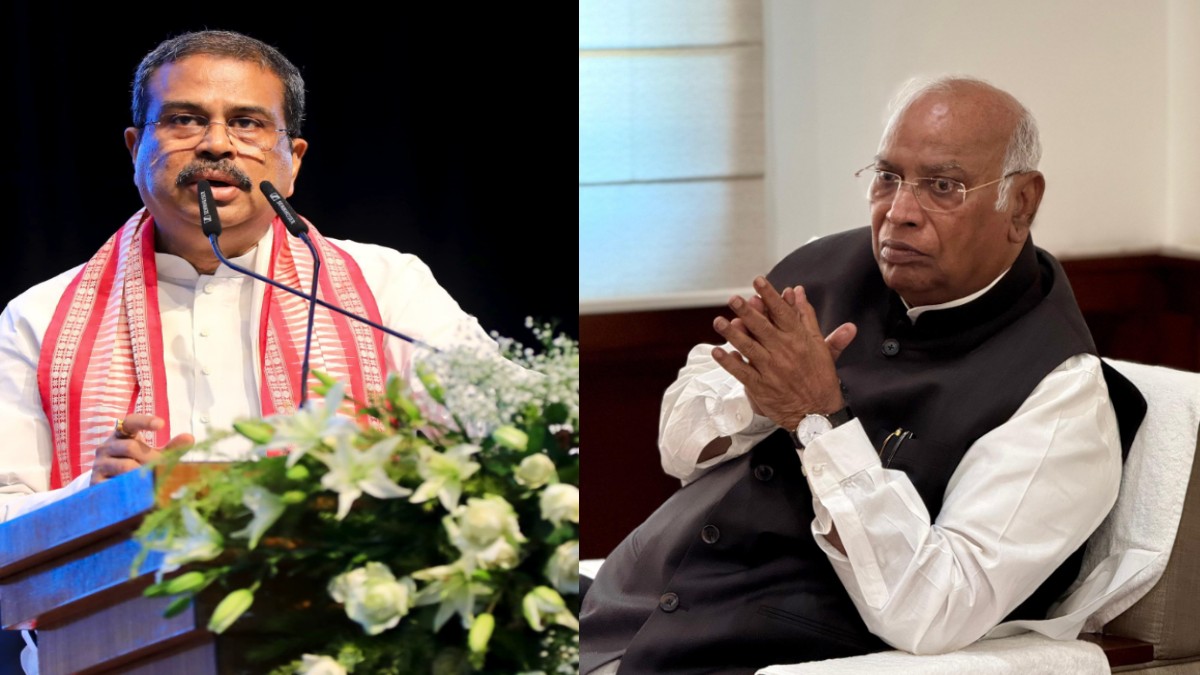
Kharge’s remarks came as a political hot line was also open to debate between the ruling National Democratic Alliance (NDA) and Opposition parties in the Rajya Sabha as well as between students’ protests and the education system and the education system problems and the current situation in general.
Kharge said to the Upper House during Parliament sitting on Thursday, accountability must precede any discussions of how students and educational institutions are affected. As for recent developments in the education sector, the Opposition wanted an open debate, but they felt it would not be an impartial one if the minister continued to be in office, he said.
"There cannot be a fair discussion without the resignation of the Education Minister," Kharge said at the meeting, reiterating the Opposition's demand for ministerial accountability. His comments triggered a heated exchange between members of the treasury benches and the House that was heard throughout the day.
The demand is part of the Opposition’s wider criticism of the Union government’s handling of examinations, higher education and student welfare. Opposition leaders have frequently flagged problems with national-level entrance exams, administrative lapses and the effect of recent controversies on students and their families.
Opposition members have pointed out that Parliament should spend sufficient time on these issues and that students’ futures should be above political differences. Transparency, accountability, and institutional reforms are necessary to rebuild public confidence in the education system, they have said.
But the government has denied negligence and defended the education ministry's actions. Ministers of the ruling coalition have said corrective measures are being initiated wherever necessary and that improvements are being made to improve the examination process and institutional oversight. They have also claimed the Opposition is trying to politicize education rather than engage constructively in parliamentary discussion.
As the Rajya Sabha grew heated, the proceedings were interrupted repeatedly as members were raising slogans and asking to know from the Chair. Parliamentary debates on contentious issues often become focal points for larger political disagreements, especially during sessions where multiple legislative and policy matters are under discussion.
Education is the focus of public debate recently with examination management, student welfare, recruitment processes, and educational reforms all under intense national debate. Opposition parties have called for the full discussion on these issues to be held in Parliament and for the government to answer.
Political observers note that ministerial resignations have traditionally been used by Opposition parties to highlight administrative failures and raise political pressure on the government. In general, such demands do not always result in further parliamentary negotiations but rather in both sides having a willingness to engage in more formal debate while still in the business of Parliament.
Government supporters say conversations should proceed without any preconditions and Parliament should be the forum for responding to concerns through debate, questions and ministerial responses. They maintain policy matters should be considered based on evidence and facts which are heard in the House.
Meanwhile, Congress leaders have argued that accountability is fundamental to democratic governance and ministers should take responsibility whenever major issues come up in their departments. Kharge's demand is in line with the Opposition’s view that restoring confidence in the education system needs political responsibility and administrative reform.
The exchanges in Parliament also highlight the continuing importance of education as a major national issue. Students, parents, educational institutions, and policymakers all have stressed the need to have good examinations and grievance redress mechanisms, and the need for efficient and transparent changes to protect the interests of millions of aspirants throughout the country.
As Parliament continues its session, the issue will remain at the centre of political discussions and both the government and the Opposition will continue to talk about it. When the Education Minister resigns as Minister of Education cannot be ruled out if there is support for the demand but the debate shows the role education policy plays in India's politics.
Rajya Sabha discussions on educational issues were expected to continue to be discussed in the coming days as lawmakers are expected to have more discussions on education issues in the Rajya Sabha as well as some other topics to be discussed to the students, educational institutions and the future in terms of policy reform.
The developments will be closely watched by those in the education sector as Parliament debates one of the key public policy areas in the country’s most important areas in education as Parliament weighs in on the future of policy.