A sensational honey trap and extortion case has come to light in Karnataka's Mangaluru, where a prominent businessman was allegedly blackmailed and forced to pay ₹2.77 crore over a period of nearly two years. The case has attracted widespread attention after police arrested two accused, including a local Youth Congress functionary, following a complaint filed by the victim.

According to investigators, the alleged honey trap operation began in 2024 when one of the accused, identified as Jitesh, reportedly obtained compromising photographs and videos of the businessman. Police sources claim that Jitesh initially threatened to expose the material to the businessman's family, particularly his wife, unless a substantial amount of money was paid. Fearing damage to his reputation and family life, the businessman allegedly transferred money through cheques and other means to avoid the release of the images and videos.
Investigators say the extortion did not stop after the initial payment. As demands for money continued to increase, the businessman reportedly approached another accused, Nizam Ibrahim, seeking assistance in resolving the issue. However, according to the complaint, instead of helping the victim, Nizam allegedly joined hands with Jitesh and became part of the blackmail operation.
Police allege that the two accused systematically extorted money from the businessman through threats, intimidation, and fabricated stories. Over time, the amount allegedly paid by the victim reached an astonishing ₹2.77 crore. The case took a dramatic turn during the investigation when officers uncovered what they described as an elaborate fake suicide narrative used to pressure the businessman into making further payments.
According to police findings, in May 2024, Nizam allegedly informed the businessman that Jitesh had died by suicide. Investigators claim that the accused fabricated a story that the businessman had been named in a purported suicide note. The businessman was allegedly told that criminal proceedings could be initiated against him, potentially leading to arrest and imprisonment.
To make the story appear genuine, the accused allegedly shared photographs depicting a hanging scene and funeral-related images. Police believe these materials were used to convince the businessman that Jitesh was dead and that legal action was imminent. The accused then allegedly demanded additional money, claiming it was needed to prevent criminal consequences.
For nearly two years, the businessman reportedly believed the suicide story and continued paying large sums of money. The alleged fraud eventually unravelled in June 2026 when the businessman unexpectedly spotted Jitesh alive in Mangaluru. Shocked by the discovery, he realised that the suicide story had been fabricated and immediately approached the police.
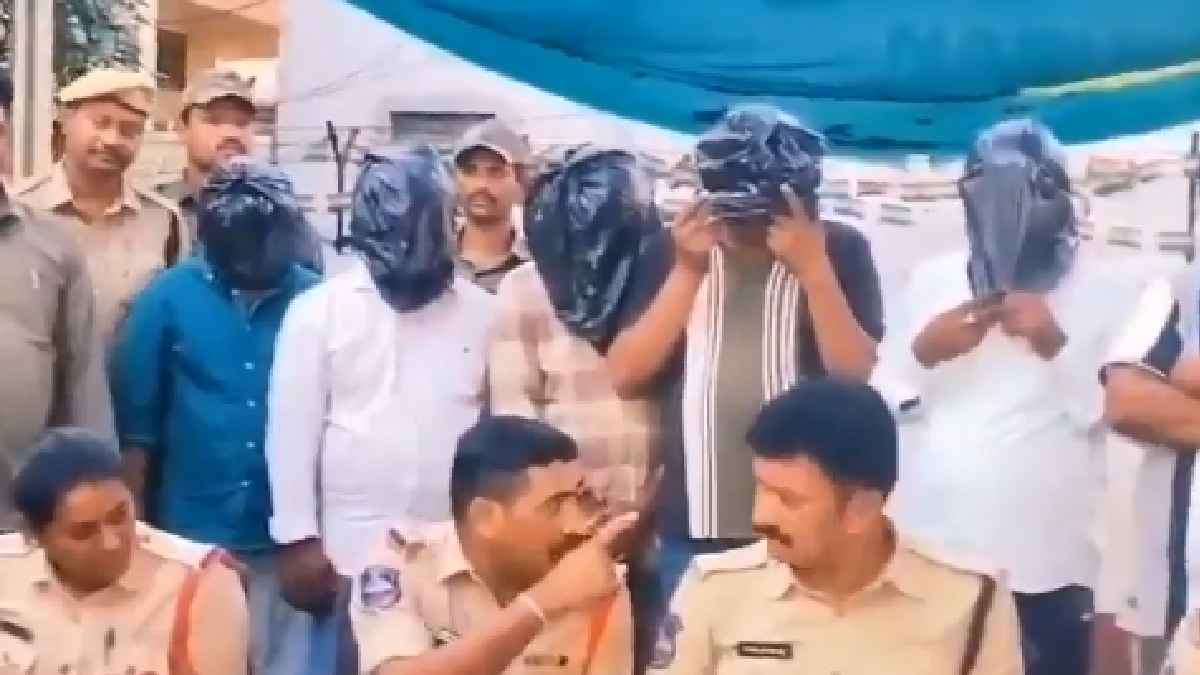
Based on the complaint, officers at the Urwa Police Station in Mangaluru launched an investigation and subsequently arrested both Jitesh and Nizam Ibrahim. During questioning, investigators reportedly uncovered details of the alleged extortion scheme and the fake suicide narrative that had been used to pressure the victim.
Police have stated that further investigation is underway to determine whether additional individuals were involved in the operation and to trace the financial transactions linked to the case. Authorities are also examining digital evidence, including photographs, videos, and communication records, as part of the ongoing probe.
The case has generated significant public interest due to the large amount of money allegedly extorted and the sophisticated methods reportedly used by the accused. Officials have urged the public to report blackmail and extortion attempts immediately and to avoid giving in to threats, emphasising that timely legal intervention can prevent such crimes from escalating.