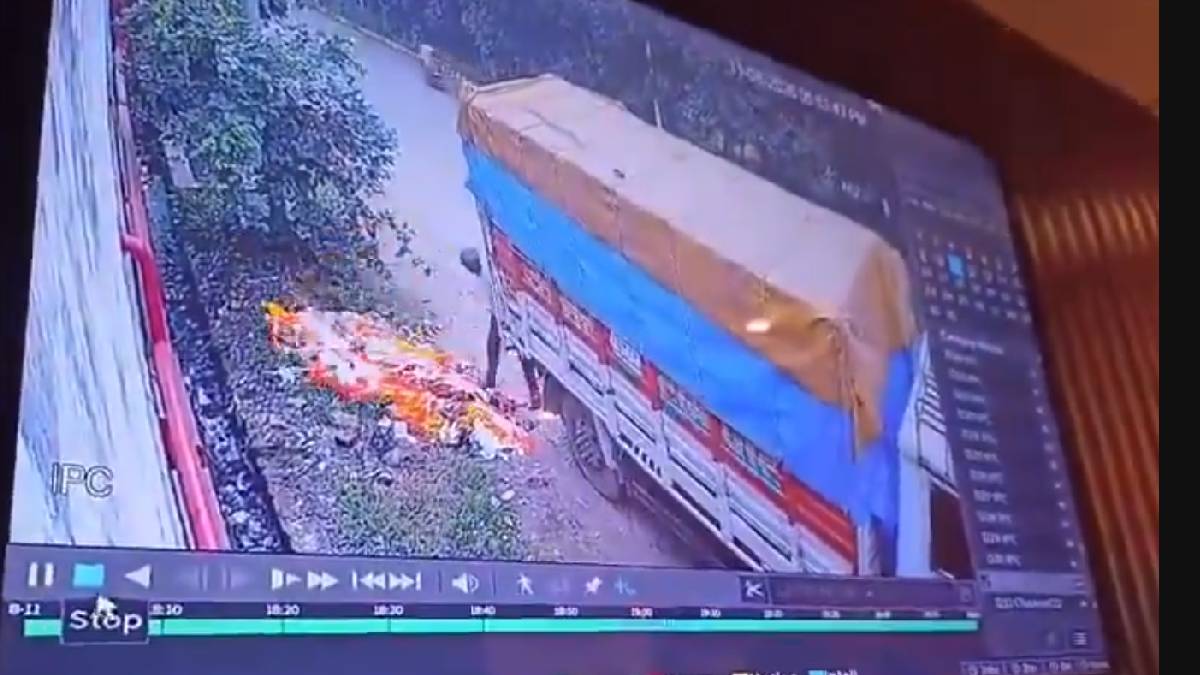
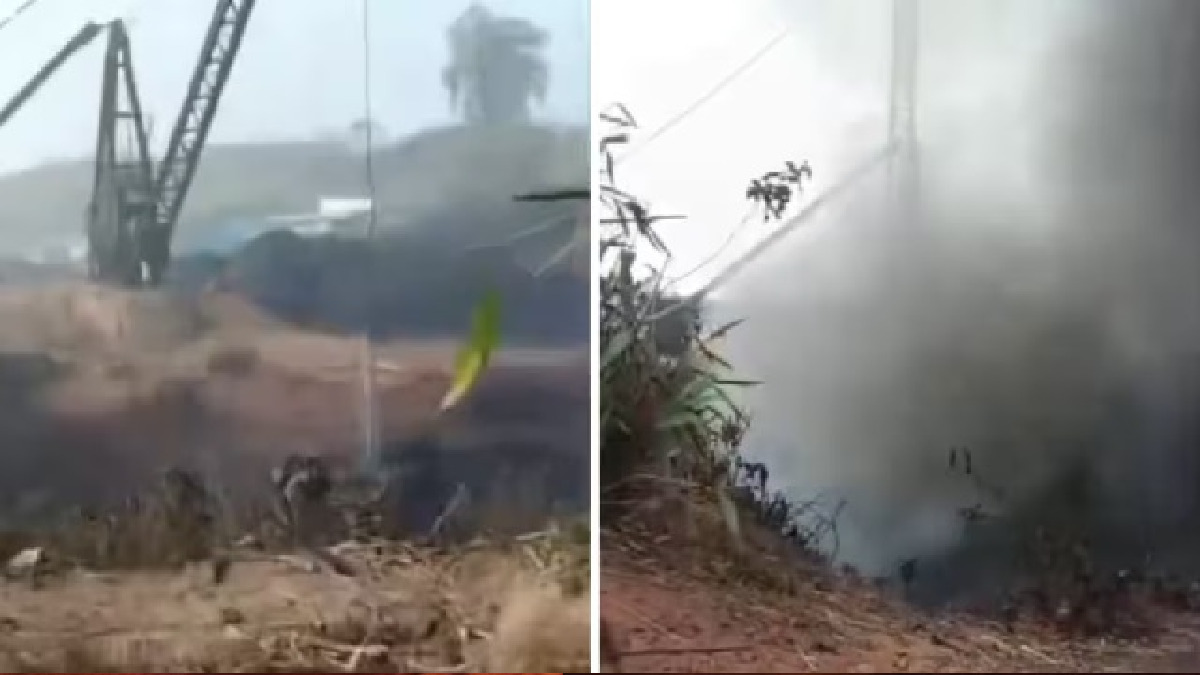
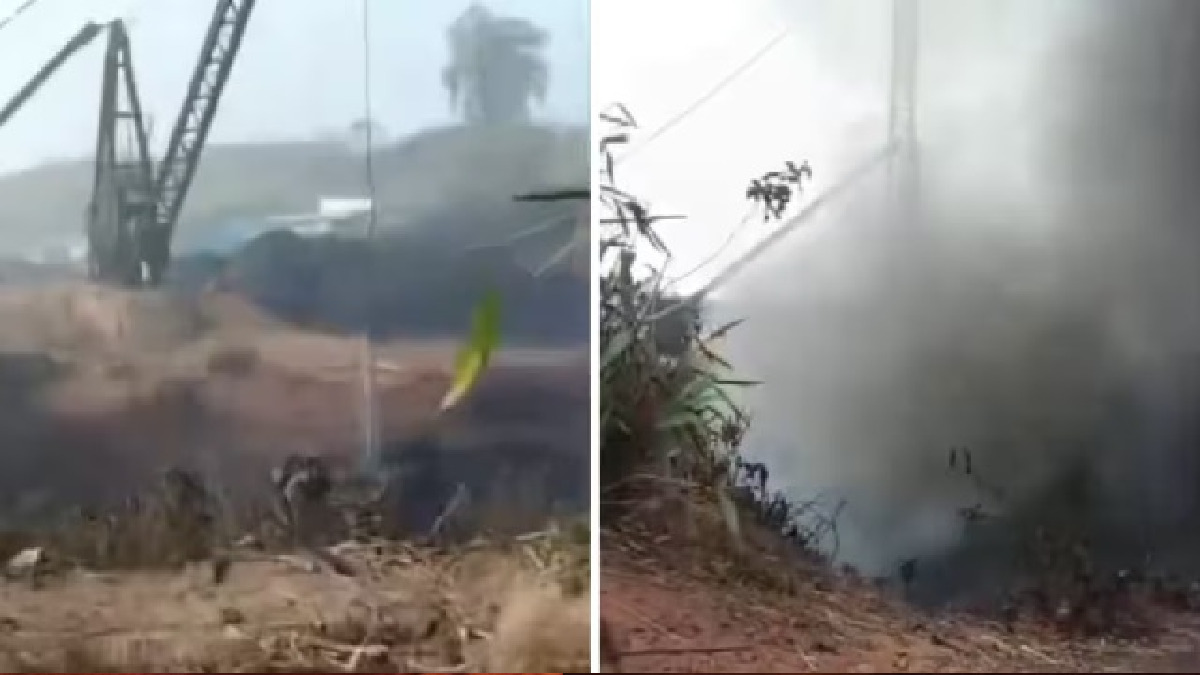
In a prompt response to the horrific explosion that blew up an illegal coal mine in East Jaintia Hills, Meghalaya, the state police arrested two people on Friday. The arrested individuals are thought to be the owners of the illegal “rat-hole” mine where a powerful dynamite blast on Thursday killed a minimum of 18 workers and injured a significant number of them.
Cracking Down on Illegal Operations
The arrests come after a stern directive from the Meghalaya High Court, which took suo motu cognisance of the disaster. A division bench comprising Justice H.S. Thangkhiew and Justice W. Diengdoh ordered the immediate apprehension of all owners and operators involved, citing “grave administrative failures” that enabled the banned mining practice to continue.
East Jaintia Hills Superintendent of Police, Vikash Kumar, confirmed the arrests but withheld the names of the accused and would give them away after they were produced before the court. “We have arrested two owners, and are working to identify additional suspects,” said the SP.
The Incident: A Recurring Tragedy
The blast took place in Thangsku-Mynsyngat, early Thursday morning. The explosion is believed to have been started by dynamite illegally used to break rocks where coal is extracted. The victims, many of them migrant labourers from the neighbouring Assam, were trapped deep within the narrow, unscientific shafts.
- Death toll: 18 confirmed dead; remains recovered by NDRF and SDRF teams.
- Injuries: At least 8 others are being treated for serious burns and respiratory problems.
- Cause: suspected dynamite explosion in a prohibited rat-hole mine.
Government and Judicial Response
Chief Minister Conrad K. Sangma has pledged “stringent action,” saying that accountability will be set at every level. The state government has declared an ex gratia of ₹3 lakh for the next of kin of the deceased; Prime Minister Narendra Modi announced an extra ₹2 lakh from the PMNRF.
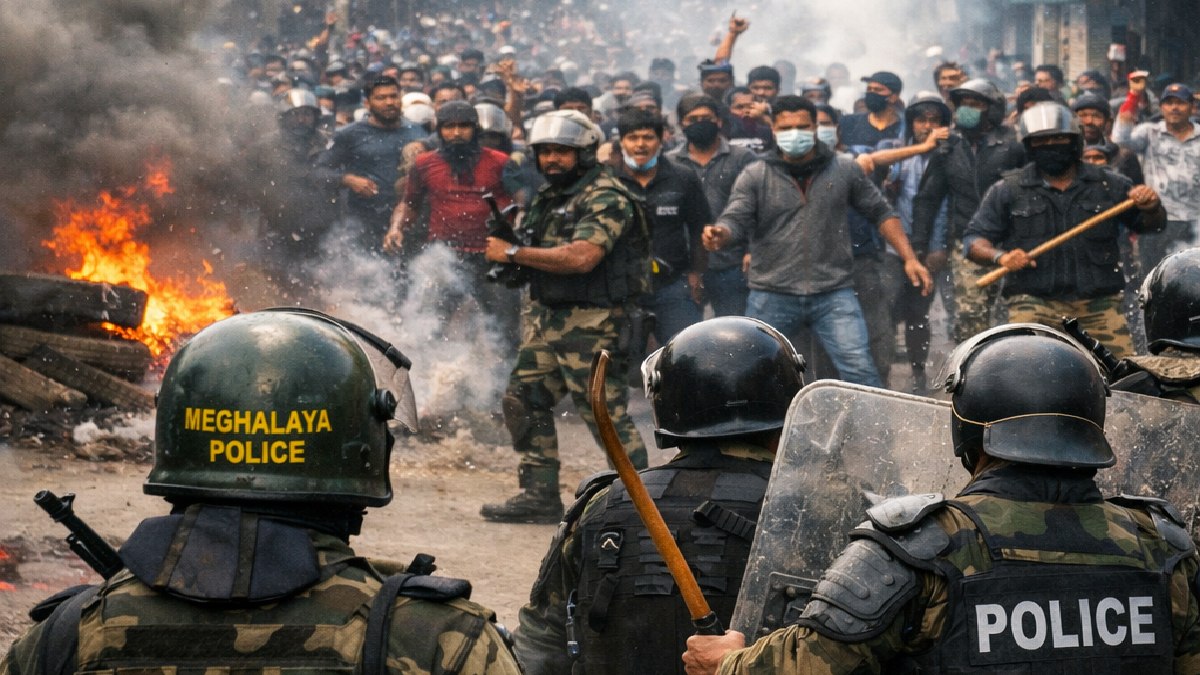
The Meghalaya High Court has summoned the Deputy Commissioner and SP of East Jaintia Hills to appear on 9 February to discuss how illegal activities continued despite the National Green Tribunal's (NGT, 2014) refusal to allow use of rat holes in the mines.
Human Cost and Environmental Toll
The disaster is among the most deadly in Meghalaya’s history and recalls the 2018 Ksan disaster when 15 miners were killed. Despite decades of bans, the lure of high daily wages still entices vulnerable workers into these “death traps,” fueling the already-acute battle between energy needs and adherence to safety rules.