India’s PM POSHAN Scheme once known as Mid-Day Meal Scheme, the country’s largest school feeding scheme, provides healthy meals to millions of students who study in government and government-aided schools and plays a crucial role in the whole country’s education and public health systems.
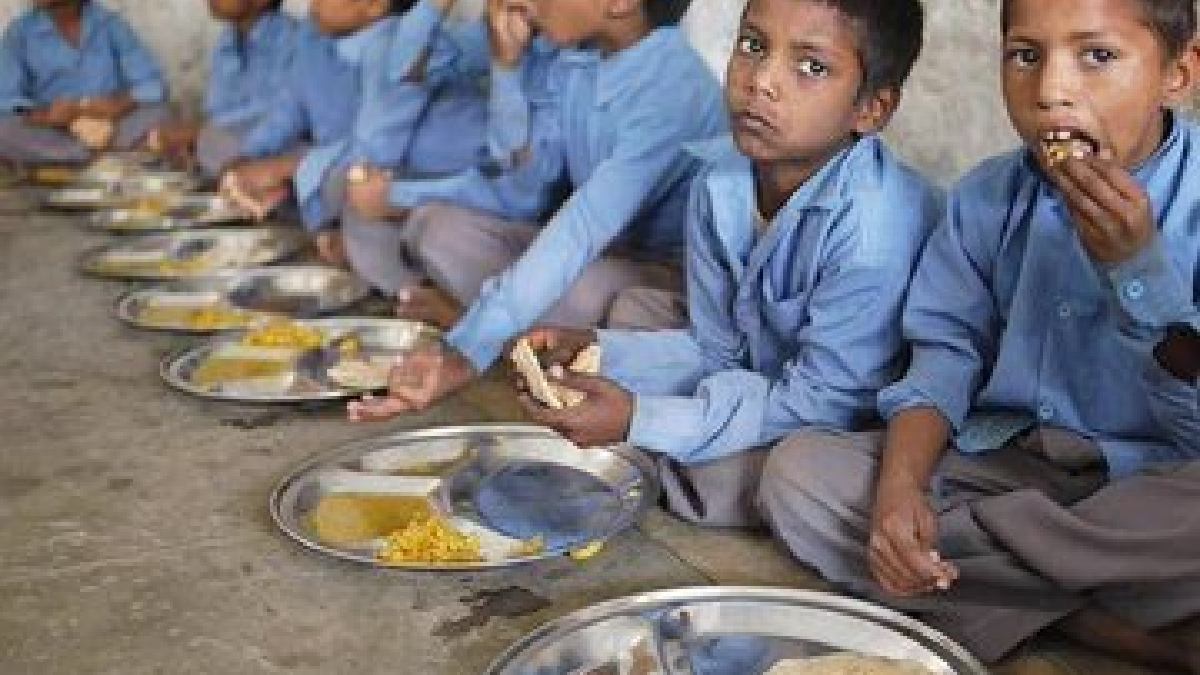
The scheme is intended to improve nutrition, increase school attendance and reduce classroom hunger.
The programme recently came under the spotlight when the West Bengal government announced that ISKCON would be preparing the vegetarian part of Kolkata’s mid-day meals. The move raised concerns that eggs an important source of protein for children would be removed from school menus.
Following the public debate, the state government announced at the beginning of August that ISKCON would only provide the vegetarian base meal and local Self-Help Groups (SHGs) would continue to distribute eggs separately. The clarification reassured parents and nutrition experts that students would still have protein-rich meals.
How Mid-Day Meal Programme works
The PM POSHAN Scheme provides free cooked lunches to children studying in Classes I to VIII. Not only to fight hunger but also to improve enrolment, attendance and learning outcomes, particularly in economically deprived communities.
The nutritional guidelines issued by the central government specify minimum calorie and protein requirements for every meal. But state governments can customize menus based on local food habits, agricultural availability and nutritional priorities.
Why Menus differ across states
School meal menus vary widely in India. While rice is the staple in southern and eastern states, wheat-based dishes are common in northern India. Many states also include locally available vegetables, pulses, fruits and dairy products.
Several states such as Tamil Nadu, Andhra Pradesh, Telangana, Odisha, Kerala, Karnataka, and West Bengal serve eggs as part of the weekly menu. Other states have alternatives such as bananas, milk, or chickpeas where eggs are not included due to local preferences or policy decisions.
Nutrition experts advocate the inclusion of eggs because they provide high-quality protein, essential vitamins, and minerals that support children’s physical and cognitive development.
Balancing Nutrition and Local Preferences
The debate over vegetarian and non-vegetarian meals highlights the difficulty of reconciling cultural preferences with nutritional requirements.
Some organisations that provide meals have strict vegetarian standards, but state governments are now more and more implementing separate distribution of protein-rich meals to ensure that nutritional standards are not compromised.
Experts say that flexibility while adhering to scientific nutrition guidelines is critical for the programme’s long-term success.
A Vital Safety Net
For millions of children, the school lunch is often the most nutritious meal of the day. Besides improving health, the PM POSHAN Scheme encourages school attendance, reduces dropout rates and promotes social equality by bringing children from different backgrounds together over a common meal.
As the menu debate continues, policymakers remain focused on ensuring that every child receives a balanced, nutritious meal that supports healthy growth and better learning outcomes.