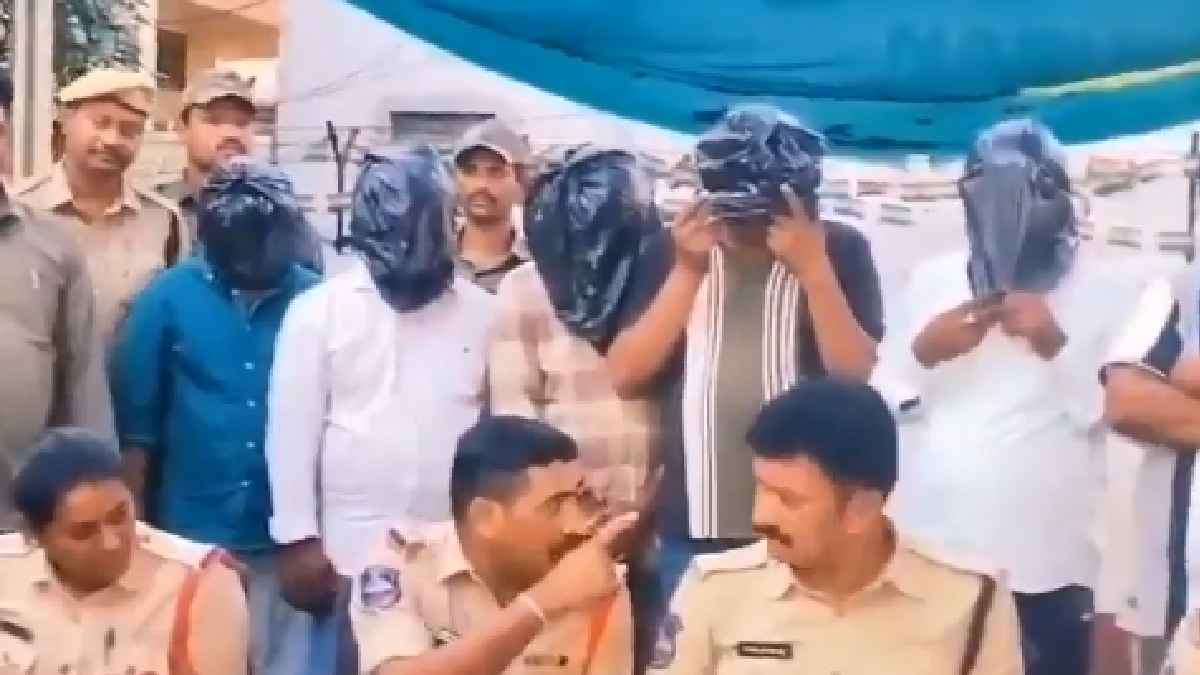
West Bengal Minister Dilip Ghosh has made a bold statement that students and people involved in protest-related activities will not be punished. But with that, he also made it very clear that anyone who knowingly committed crimes, vandalised public property, or attacked police personnel will be dealt with in accordance with the law.
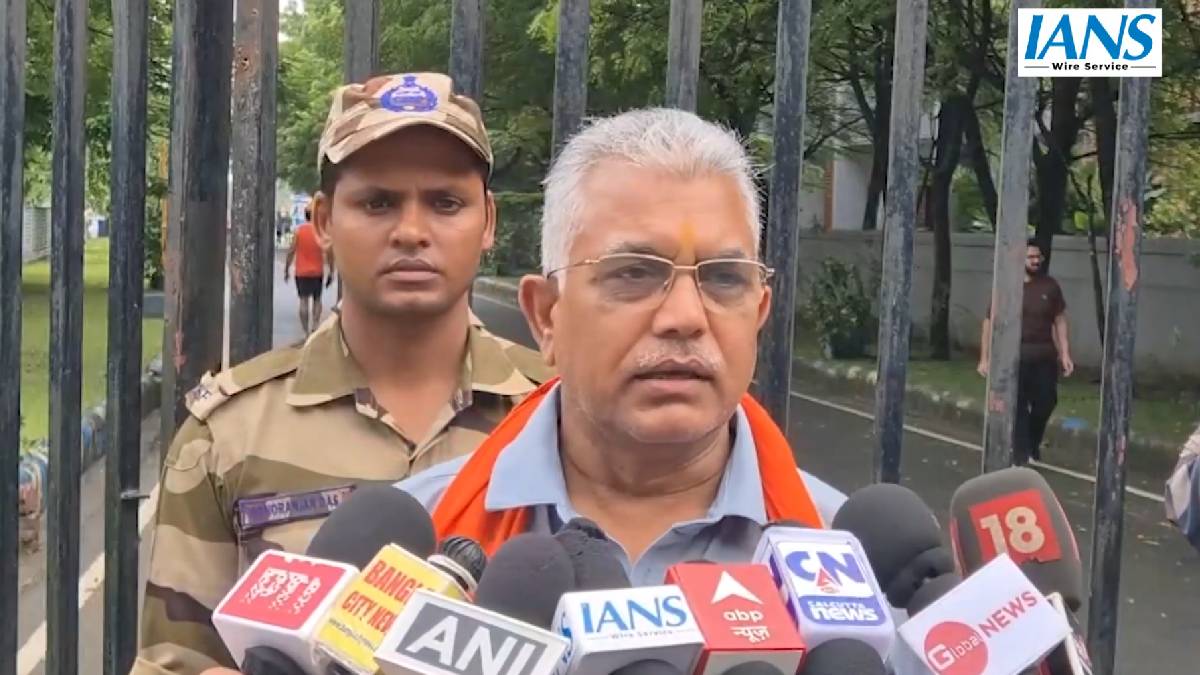
“Students below 18 will face no action,” Ghosh said, distinguishing minors from those who are likely to be involved in malicious acts of violence or criminal activity.
Kolkata, West Bengal: On the RSS' demand not to take action against students who participated in the protest, Minister Dilip Ghosh says, "The government has already announced, and the court has also said, that no action will be taken against those below 18 years of age. But if… pic.twitter.com/MeFIEZ7O9C
— IANS (@ians_india) July 31, 2026
And the minister said those who knowingly committed crimes, damaged public property or attacked police personnel would not be exempt from legal consequences. “But anyone who knowingly committed crimes, vandalised public property, or attacked police personnel will face action under the law,” he added.
The statement comes amid continuing debate on how to respond to protest-related violence and the legal status of students and other participants. The issue has attracted public attention following allegations of clashes, damage to public property and attacks on police personnel during demonstrations.
Ghosh’s comments suggest that the government may differentiate students who have participated in protests from those accused of violence or other unlawful activities. Age, involvement and the nature of the alleged activities could be taken into account when deciding if a legal process should be initiated, the statement goes.
The assurance about students below the age of 18 will comfort families with potential legal action against minors. But the minister’s warning also indicates that authorities will be prepared to pursue serious cases involving serious allegations— especially damage to property and the attack on police personnel.
Public protests are an important aspect of democratic expression, but violent incidents in nature, destruction of property or physical attacks can lead to criminal investigations. Participation in a protest and involvement in alleged criminal acts should not be treated as the same, the minister said.
The comments are also especially significant in relation to families of police personnel who were reported to have been injured in clashes. Police families are seeking legal redress for the violence against those officers who are there to keep order.
At the same time, concerns about the treatment of students and minors who participated in demonstrations have also been voiced. The statement that students below 18 will face no action seems to take action to address those concerns and ensure that minors are not treated in the same way adults accused of deliberately engaging in violence are treated as adults.
However, the exact scope of the assurance, whether it applies to all minors or only to students who did not participate in alleged criminal activity, may need to be further clarified. Legal action in individual cases would then be based on the facts, available evidence and applicable laws.
The minister's comments will shape the political debate on accountability, protest rights and law enforcement. The statement may be seen as an attempt to safeguard students while also maintaining a firm policy towards violence. But critics may also want to know how authorities will differentiate between peaceful protesters and those accused of criminal acts.
As we look forward, we know that the developments are going to be closely watched, and protests to protest incidents will continue as well. Any further government clarification or legal action may also offer a better picture of how the policy will be implemented.
For now, Dilip Ghosh’s message is one of assurance for students below the age of 18 and a strong warning that those who knowingly committed crimes, vandalised public property or attacked police personnel will face action under the law.