The woman police sub-inspector has been abused, slapped and threatened while she was on duty at a temple in Mandya district of Karnataka with the daughter of a serving MLA. The incident took place in the evening of August 12 when there were so many security precautions for Bhima Amavasya. Police have filed an FIR in case of complaint against the woman PSI, and there is a counter-complaint against the police officer too.
According to the complaint, PSI Savitha B. Police Patil of Mandya Women’s Police Station was deployed for special security duty at a temple in connection with the Bhima Amavasya celebrations. The festival attracted devotees to the temple, leading to police authorities’ deployment to control crowds and security and control the movement of visitors.
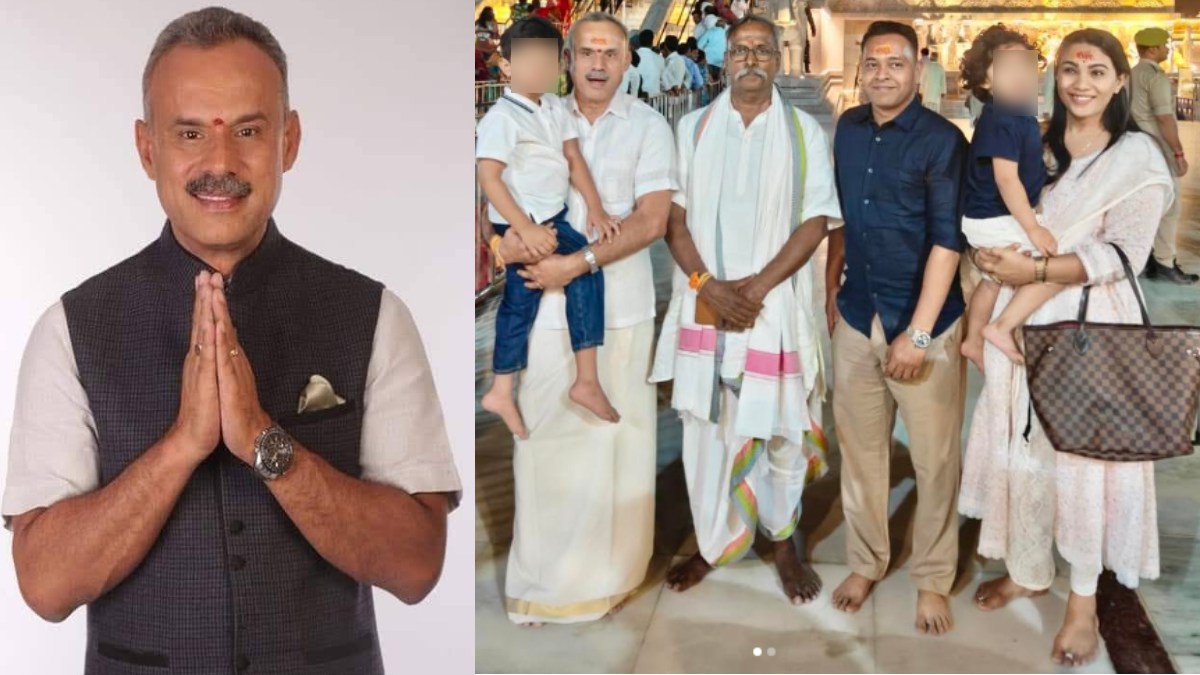
The alleged incident happened at 8.15 pm when an argument erupted over the delay in allowing darshan. As per the police complaint, Aishwarya (daughter of Tumakuru Rural MLA B. Suresh Gowda and wife of ACP Gautham) confronted the PSI during the dispute.
The complaint says Aishwarya verbally abused the woman police officer and slapped and assaulted her. It also says that the police officer’s official duties were obstructed and threats were issued during the confrontation. These allegations form the basis of the FIR registered by the police.
The case has attracted attention because the accused is the daughter of a sitting legislator and the wife of a police officer in the position of Assistant Commissioner of Police. As a result, police personnel who are doing official duties should not be treated unfairly, and officers should be able to carry out crowd-control and security duties without interference.
After the complaint, an FIR was filed against Aishwarya at Kyathanahalli Police Station. The case has been booked under Sections 132, 115(2), 352 and 351(2) of the Bharatiya Nyaya Sanhita. In some cases, the sections cover acts of assault or criminal force against a public servant (voluntarily causing harm), intentional insult and criminal intimidation, subject to the specific allegations and the investigation.
However, the accusations are contested. Police have said a counter-complaint has also been filed against PSI Savitha B. Police Patil. A woman police officer allegedly abused Aishwarya during the incident, the counter-allegation claims. So investigators will have to assess both sides and their reasons for a clash.
The existence of a counter-complaint makes the investigation evidence-based. Witness statements, CCTV images from the temple or nearby areas, mobile phone evidence and other items will help investigators determine what happened in the dispute. Police will also have to determine the order of events and whether the two parties committed an offence.
The incident happened during Bhima Amavasya, the season when temples are most crowded and many devotees attend. Special police are often needed at places where people are stuck in long queues to control the entry and exit points and prevent crowding. Police on such tasks may also have to act to prevent overcrowding.
Disagreements sometimes arise when devotees are delayed in getting darshan, especially during festivals. But police officers are responsible for keeping the place in order and delivering security arrangements. Any problem with a police officer on duty is therefore of concern as it might worsen the security arrangements on the site.
The attack on a police officer on duty has also raised questions about the dignity and safety of women police staff. Female officers are increasingly involved in many aspects of law and order including crowd management, festival security and protection of women and children. Complaints of abuse or assault against them must be investigated, and they are expected to perform their duties professionally.
At the same time, the counter-allegation against the PSI means that the matter cannot be viewed solely from one side. Both complaints are to be investigated fairly, and the evidence of both parties should be established. The fact that the accused person is connected to a political family makes impartial investigation especially important.
The case also demonstrates the more general issue of dealing with police officers and people in crowded public events. Police officers may restrict or control movement for security reasons, and visitors may become frustrated by delays. Communication and follow-up can help keep issues from escalating.
The investigation has also given a political dimension to the issue as the daughter of an MLA has been alleged to have played a role. Any public servant who is in conflict with someone connected to a politician can be held to some degree of accountability. But investigation and legal process should be the basis of the inquiry and not assumptions of guilt.
The registration of an FIR does not by itself establish that the allegations are proven. Similarly, the counter-complaint does not establish wrongdoing by the PSI. Both sides are entitled to due process, and investigators will need to establish the facts before any conclusions can be reached.
The case will also bring to light the duties of police officers during religious festivals. Security personnel need to balance crowd safety, religious access and administrative requirements while dealing with large numbers of people. Police personnel and temple authorities should be in close communication and coordination during peak times.
For the police, this is a chance to reinforce protocols to deal with disputes between officials and members of the public. Special duty officers need clear instructions for crowd management, escalation procedures and documentation of incidents. Members of the public similarly need to comply with lawful directions given for security purposes.
As the investigation continues, authorities will look at the allegations made in both complaints. Evidence gathered from the location can be crucial to establishing the sequence of events. Statements from other police personnel, temple staff, devotees and other witnesses may also be part of the investigation.
When large crowds are present and access, queues and security are tight, arguments over access and security can become very difficult to manage. Events such as festivals and religious occasions are important for communities, but they also require careful planning to ensure public safety.
The case is still under investigation and there are allegations on both sides. The FIR against Aishwarya comes after the complaint filed by PSI Savitha B. Police Patil, while to add to the controversy, the counter-complaint has been introduced.
Further investigation will have to be carried out to determine if further legal action will be necessary. And that Mandya incident goes a long way to show that police officers should be respected in their work and complaints against police officers should be thoroughly investigated.
There is going to be more development as police investigate the complaints and collect evidence and record statements from people who were at the temple when the alleged confrontation took place. The result of that will inform the next steps in a case that has already attracted attention due to the political and police connections of all the parties involved.