A plain haircut dispute transformed into a seven‑year legal case in one of India’s most bizarre consumer disputes. In April 2018 model Aashna Roy visited ITC Maurya hotel, Delhi for a haircut. She said the haircut was much shorter than she had specifically asked for, resulting in mental trauma and lost modeling contracts. A start as a complaint quickly became a high‑profile case that rose to the Supreme Court of India.

Following this incident, ITC Maurya also offered her a free corrective service. But Aashna Roy took action in court, arguing that a haircut like that had ruined her career prospects. She first sought ₹2 crore, citing the loss of contracts, along with emotional distress.
The National Consumer Disputes Redressal Commission (NCDRC) concurred with her — awarded ₹2 crore. ITC took this judgement to the Supreme Court, India’s highest court. Aashna Roy raised her claim to ₹5.2 crore during the litigation, alleging her professional life has been even worse than initially thought.
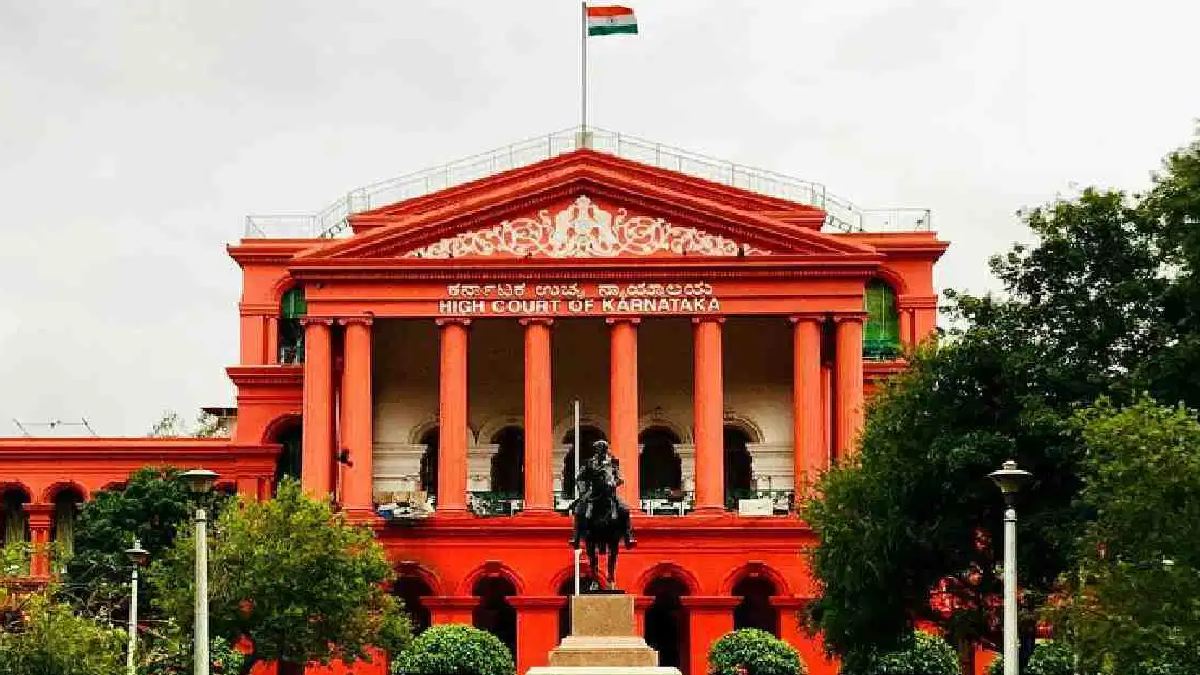
Following years of litigation, the Court declared in February 2026. It held that the evidence presented for a major compensation was not enough. Although it had been a frustrating event, the judges stressed that any claim must have definite proof of financial loss.
Now, a legal journey that had captivated the public had come to an end.
This case demonstrates how consumer disputes can get serious when reputation and livelihood issues are at stake. It demonstrates how the courts of higher standing make judgments for a balance of the relevant compensation amounts based on the criteria of fairness and proportionality.
The Supreme Court’s decision struck a balance between consumer rights and the necessity of trustworthy proof. It served to strengthen the notion that although businesses should be liable when their services fail, such claims for compensation must be reasonable and substantiated.
What began as a haircut gone wrong has since become one of India’s most popular consumer cases. The Supreme Court finally closed the matter after seven years, awarding ₹25 lakh versus the multi‑crore sums initially claimed. The case makes a case to remind us that consumer rights are protected, but claims must be reasonable and the case evidence‑based.