The Union Cabinet, headed by PM Modi, has approved ₹62,500 crore for the second edition of the Mobile Production-Linked Incentive (PLI) Scheme. Union Minister for Electronics and Information Technology Ashwini Vaishnaw said this is another step in the government’s plan to make India a global electronics manufacturing centre.
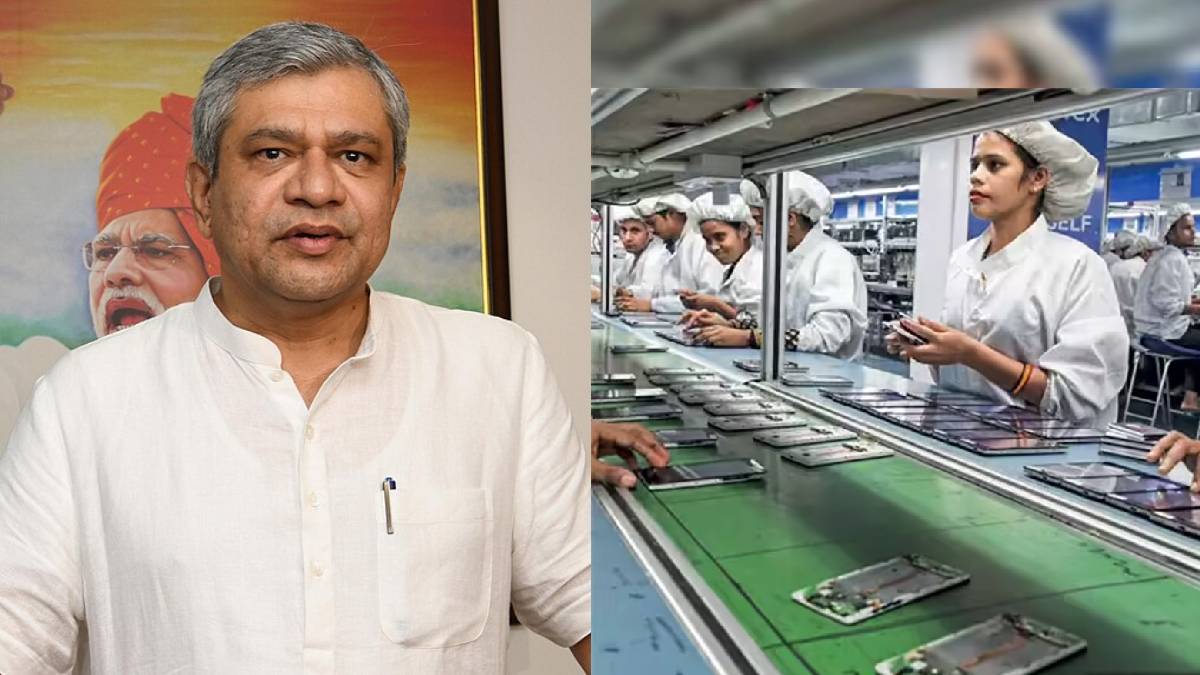
The new Mobile PLI 2.0 scheme is based on the success of the first PLI programme that attracted large investment from global smartphone manufacturers and component suppliers. Since its launch, the original programme has made India one of the world’s fastest-growing mobile phone manufacturing hubs and considerably increased domestic production and exports.
The second edition will not only drive investments towards advanced manufacturing but also local value addition and help to strengthen India’s position in the global electronics supply chain. The government will work to attract both existing and new international players and to promote innovation and large-scale manufacturing within the country.
There is also a belief that the enhanced incentive package will help companies to expand manufacturing capacity, build up new production facilities, and invest in cutting-edge technology, industry experts say. The scheme will also help to expand the localization of critical mobile components, limit reliance on imports, and build up the supply chain resilience.
One of the key objectives of Mobile PLI 2.0 is to increase India’s share in the global smartphone market. In the last few years, India has become a major production base for the top three smartphone brands, with several companies producing devices for domestic consumption as well as exports to Europe, the Middle East, Africa, and North America.

The fresh investment is expected to generate thousands of direct and indirect jobs at various levels of manufacturing plants, logistics, component production, research and development, and supporting industries. The electronics sector expansion will help both skilled and unskilled individuals working in manufacturing clusters in different states.
It is also in line with the government’s flagship policy goals for Make in India, Digital India, Atmanirbhar Bharat and making India a reliable manufacturing centre in the world. By encouraging domestic production and less reliance on imported electronics, the government’s aim is to build economic resilience and drive exports.
Another important aspect of the new PLI programme is the promotion of component manufacturing. India has already made significant progress in assembling smartphones, but increasing domestic production of semiconductors, display modules, batteries, camera modules, printed circuit boards, and other critical components remains a strategic priority. Higher local value addition can improve competitiveness and create a more self-sustaining electronics ecosystem.
The electronics industry has welcomed the Cabinet's decision as a long-term policy commitment that will give investors greater confidence. Companies will announce expansion plans, expand capacity, and set up new supplier networks as incentives under the new framework become available.
India's electronics exports have seen a dramatic development in recent years, with smartphones becoming one of the fastest-growing export categories of India’s electronics exports. Policymakers expect Mobile PLI 2.0 to further boost electronics exports and help India compete with established manufacturing hubs in Asia.
The implementation of the ₹62,500 crore scheme is also part of the government’s overall policy of creating high-value manufacturing jobs, attracting foreign direct investment, and positioning India as a worldwide leader in electronics production. Moreover, in the long run, the initiative will help build innovation, increase manufacturing capacity, and link supply chains.
As it takes effect, industry players will have to consider the operational guidelines, eligibility criteria, and incentive structure in advance. Should Mobile PLI 2.0 be implemented successfully, it could become one of India’s most significant industrial policies, driving the next phase of growth in the fast-growing electronics manufacturing industry in the country.