Tamil Nadu will remain in a state of record hot weather until July 17, the India Meteorological Department (IMD) said, and unhealthy heatwave conditions would persist in some parts of the state.
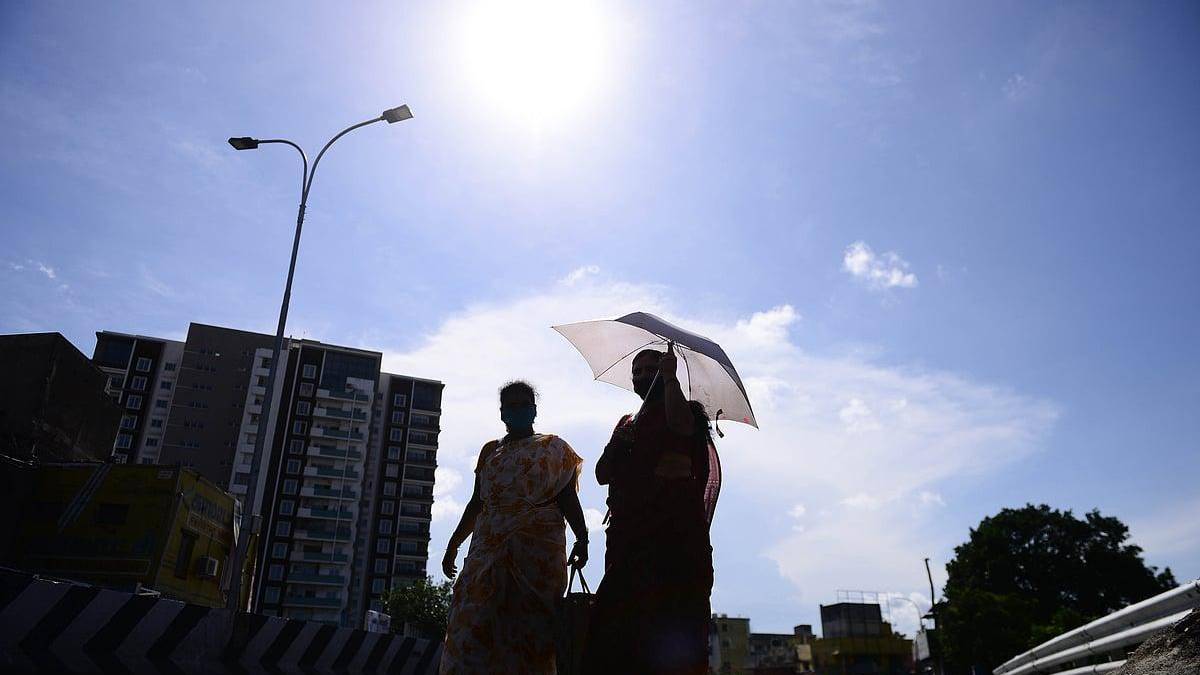
Heavy temperatures have led weather officials to issue warnings to residents to take precautions against heat-related illnesses.
Over the last few days, many districts have experienced temperatures well above the seasonal average and outdoor conditions have become increasingly uncomfortable. The combination of intense sunshine, high humidity, and little cloud cover has caused the heat index to increase, especially in urban areas where concrete floors tend to trap heat.
Cities and districts like Chennai, Vellore, Tiruvallur, Salem, Erode, Karur, Tiruchirappalli, and Ranipet have experienced scorching daytime temperatures. Hot conditions are expected to last at least another day and only some areas may see a little rain. These scattered showers are unlikely to bring much relief from the heat.
In particular, people should avoid excessive exposure to direct sunlight at the hottest hours of the day, health authorities say. Children, older people, pregnant women, and those working outside are most susceptible to heat-related health problems dehydration, heat exhaustion, heatstroke and they should drink water, wear lightweight and breathable clothing, and seek shade when they can, they say.
The state administration also has encouraged schools, workplaces, and construction sites to offer access to clean drinking water and shaded resting areas. If people are feeling heat stress i.e., dizziness, excessive fatigue, nausea, headaches, and so on, they should keep the same up to date and seek care if necessary.
The heatwave is not only affecting public health, but also farmers in Tamil Nadu. Long-term temperatures have meant that farmers are closely observing their crops and in the hot weather, more irrigation has been required and crop productivity may suffer. It is advised to livestock owners that animals are given water and protection from direct sunlight.
The current hot spell of weather is attributed to atmospheric conditions that have kept much rain from falling across the region, weather experts say. Poor wind and cloud formation have also kept temperatures above normal. Weather systems will evolve as they change, but forecasters believe there is little likelihood of widespread cooling before July 17.
The IMD has said the importance of following the weather reports and the heat safety requirements. It is monitoring conditions and will be issuing fresh advisories if the situation develops or there is no time to wait for it to be over.
The health dangers of extreme heat continue to warrant more and more awareness among people in Tamil Nadu, and can be prevented with simple preventive measures, especially if they’re well aware of the health risks of high temperatures that many people are facing.
Hydration, not getting out in the sun in the afternoon, and keeping family members and neighbours safe in mind, and watching for elderly people and neighbours is the best way to manage the heatwave until things start to improve.