Smartphone landscapes around the globe have changed considerably in recent years due to this innovation leadership. The former only quick-followers are now in charge leading a new wave of emerging technologies from every angle, as Chinese smartphone makers are becoming the leading companies. Now, with things like foldable, transparent screens, and experimentation with form factors and so on, China is redefining what the new generation of smartphone can be.
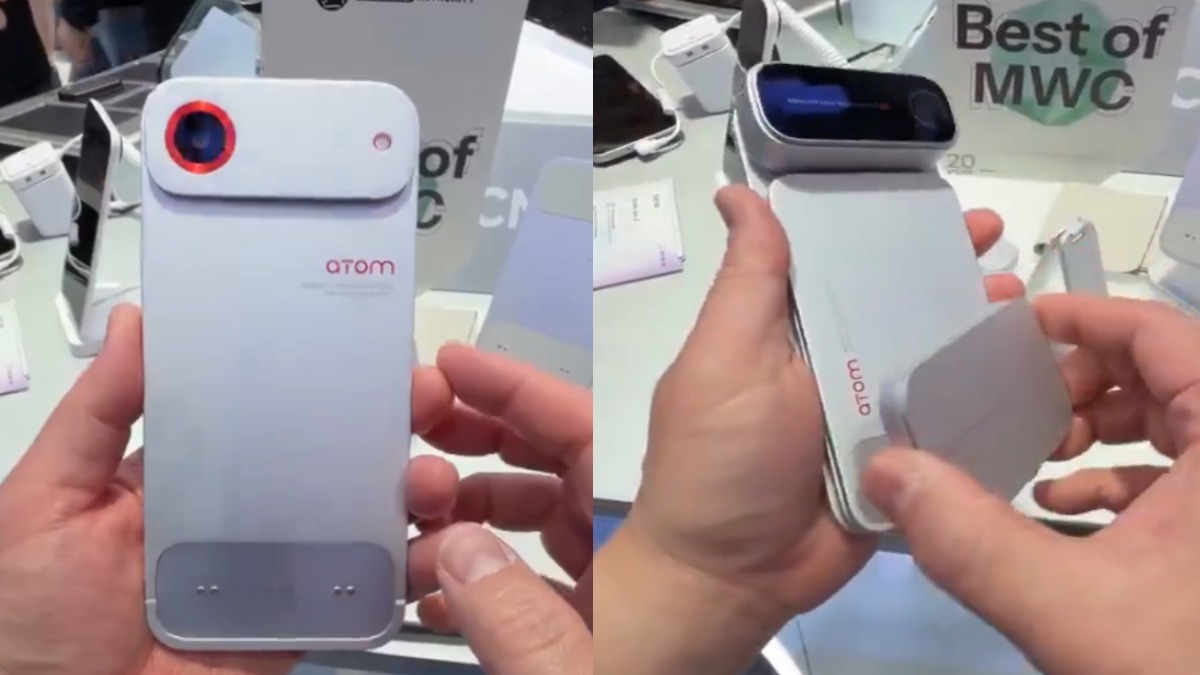
Perhaps the most shocking development of all is the growth in foldable smartphones. Foldable screens have come under research since they were invented, and Chinese companies have massively boosted their deployment for efficiency and sophistication. By folding and flipping mobile phones into compact form factor smartphone, the user can get a portable design as what is needed for them, such as tablet-style display.
On the other hand, the newer models have advanced hinge and display technology while also improving their materials and improving seamlessness in recent years, to enhance the usability and the lifetime of the device, while their predecessors were limited by durability issues. Therefore, foldable phones will allow to move from niche products for luxury and consumer electronics to everyday device and practicality.
Then also there’s transparent display technology that’s going global. In fact, prototypes and concept devices made available by Chinese brands showcase see-through screens on cell phones. This kind of tech architecture could completely transform augmented reality (AR), game, and navigation for people. Now consider a smartphone that superimposes information across your entire experience without putting your view overcast now, that’s no longer science fiction, that’s a living, breathing fact. Meanwhile, another thing that Chinese manufacturers are relatively good at doing is experimenting fast, fast enough as well, and fast too.
Unlike their Western-style rivals, on which they sometimes follow conservative release schedules, they are all about speed and fluidity Chinese businesses are accustomed to trying out new ideas and testing a number of different things. That kind of rollable displays, under-display cameras, ultra fast charging technology are also worked out, developed and available for commercial production in a very short space of time. Other newer phones already feature charging speed, which means they’ll get a full charge on their phone in less than 20 minutes, which is a lot less frustration on which the user leans in most heavily to get through the day. There’s also an important feature of design innovation in this wave. Amid this, and so instead of making it look beautiful, or functional but different, Chinese manufacturers are changing.

Chinese smartphone manufacturers are unveiling next-generation technologies one after another—such as foldable devices and transparent displays—that no one has ever seen before. Designs and functions that surpass existing norms are emerging rapidly, and China has begun shaping… pic.twitter.com/op8ZZEm6Oh
— China in English (@En_chinaNews) April 10, 2026
There will be more curved screens, bezel-less designs, and special materials for design world. Not only cosmetic shifts become a part of "clothes", they add to design and aesthetics, help increase ergonomics and screen view too, and opening new possibilities for engagement. AI integration will enhance China’s position in the phone race. From expensive camera gadgets that automatically configure camera settings for a single image to intelligent assistants that can figure out what you’ll do with them, AI has already been built into most devices. In China, the “smart factory” is using AI to advance performance, battery performance and security improvements not only in an easier-to-use era for the devices of the user. The other factor is that Chinese companies are capable of acquiring substantial international market share via a very high competitive pricing strategy.
They deploy leading-edge technology in dozens of countries and sell it to a lot more people, at lower prices across a lot of services. It has forced global rivals to reassess pricing and innovation strategies, which benefit consumers. But that new velocity of innovation can be nuanced. Yet challenges to development such as software optimization, global brand perception, regulatory challenges and long term investments are critical, as there will be the regulation.
Now, it'll also be an issue of constant investment and painstaking, deliberate investment/testing process followed by quality-building efforts, the stretching of China's quality but trying to break through the technological barriers. On the other hand, Chinese smartphone manufacturers do not have timewise, yet through challenges, they learn that though it is difficult the hurdles and their vision and ambition do. With that comes a new approach to smartphone use, as our expectations for the potential long term futures of the smartphone development horizon evolve. The ideas that have become experimental from this experiment have quickly gained popularity and not just with respect to Chinese manufacturers’ audacious plans.
If augmented reality, flexible displays and AI will one day be on screen, the smartphone could grow, more than we ever imagined, into a multipurpose electronic device that fits inside everybody’s daily life.
In short, Chinese smartphone players aren’t just competitors in a global tech race, but leaders in it. They continue to launch new designs and new features onto the market, and they both transform and accelerate global innovation. And the challenge has turned from whether those innovations would define the future, to how much the rest of the world would react.