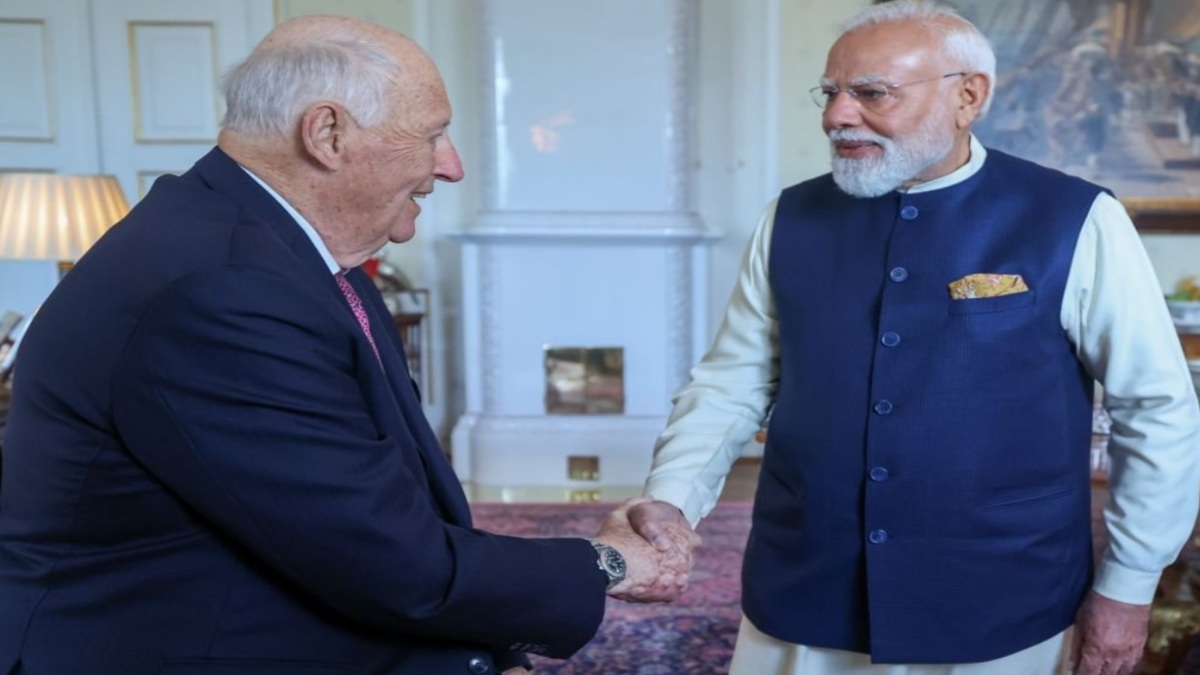
Narendra Modi celebrated the Raksha Bandhan festival with school children at his residence; he spoke of the traditional festival as one of affection, trust, protection and togetherness. The occasion made the Prime Minister’s residence very fun as children came and were interacting with the Prime Minister.
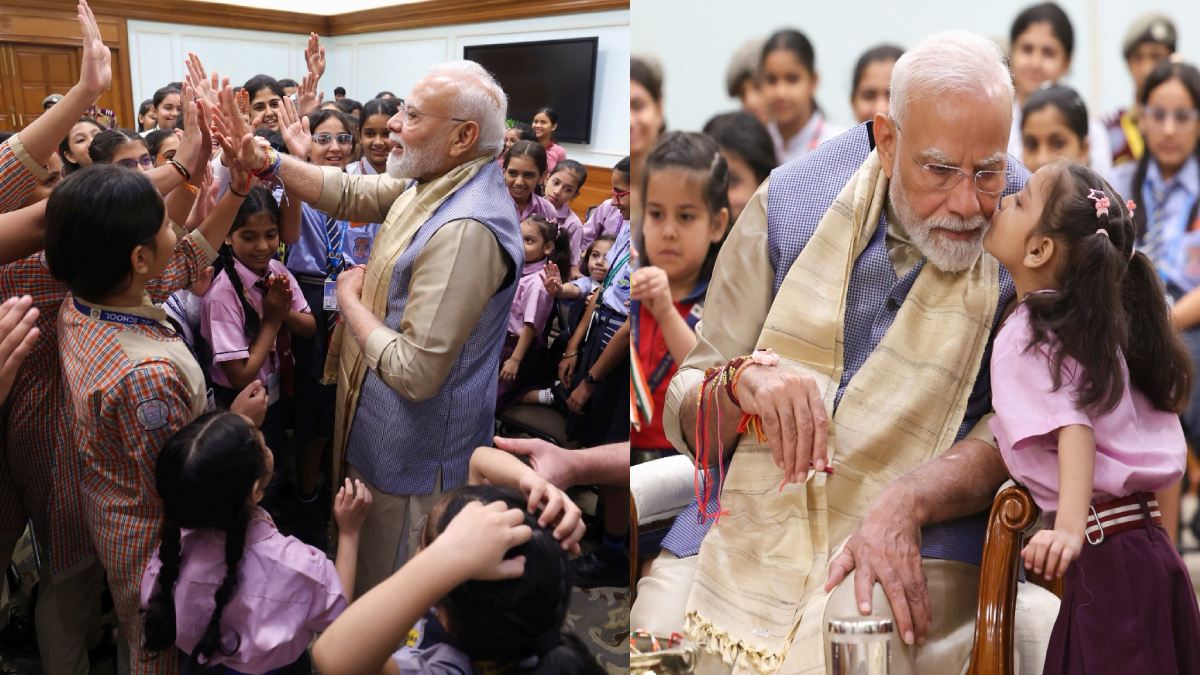
Raksha Bandhan is one of India’s most celebrated festivals and is celebrated for brothers and sisters to form a special bond. On this occasion sisters link a rakhi around their brothers' wrists as a symbol of affection and the promise of mutual care.
The festival has also evolved into a celebration of family bonds and emotional ties and compassion and responsibility over the years, and the Prime Minister’s interaction with schoolchildren brought a public dimension to these familiar festive sentiments.
Children are so involved and they celebrate Raksha Bandhan at the same time so it was particularly remarkable to celebrate with children because Raksha Bandhan is associated with childhood memories and family traditions, together. The Prime Minister's residence often has a very special place for school children too. And in doing so you get to have fun, and also to be part of a national event and enjoy the atmosphere at a big Indian festival.
Prime Minister Modi has made it very frequent to talk about how important children are for India’s future as children and their future is of Prime Minister Narendra Modi is constantly mentioning their importance to us as well. His interactions with students on multiple occasions have often been about education, aspirations, creativity and confidence among young people. Raksha Bandhan with schoolchildren offered a more informal and bright atmosphere for such an occasion with the focus on celebration and togetherness.
The occasion also reflected the changing way Raksha Bandhan is celebrated across India. While the traditional ceremony remains central to the festival, communities, schools, organisations and institutions increasingly organise events that bring people together around its broader message. Celebrations with children can help introduce younger generations to cultural traditions and allow them to understand the values associated with festivals.
Raksha Bandhan is a family and friends event, and family members are able to exchange sweets and gifts, and spend time together. The festival is not restricted to a particular age group and its emotional significance can continue throughout life. Schoolchildren are involved in the Prime Minister’s celebration and the innocence and joy of the festival is in its full force.
The interaction also offered a glimpse of the Prime Minister’s involvement with children outside the formal setting of government programs. Public figures interacting with young people at cultural occasions can bring them together and help children to take part in national and social events with confidence. It can also help children to think of it as memorable moments.
Raksha Bandhan is rooted in India and is celebrated differently in different parts of India. In many households, preparations start several days before the festival. The family will buy rakhis and gifts and share festive greetings on the day of the celebration.
For the last few years the festival has also extended beyond biological sibling relationships in some communities and people have taken the opportunity to celebrate bonds based on friendship, care and mutual respect. Schools and community organisations perform Raksha Bandhan activities to promote these values among children and the Prime Minister’s celebration with schoolchildren also focused on emotional connection and togetherness.
The presence of children at the Prime Minister’s residence also demonstrated the importance of creating positive experiences around India’s cultural traditions. Festival opportunities that young people learn about customs can help them. Children can have experiences of celebrations and not just study about traditions from textbooks.
The Raksha Bandhan celebration comes at a time when the festival is still significant, but it is evolving. More and more Indians are celebrating traditional rituals in new ways (e.g., handcrafted rakhis, eco-friendly products and community events) and with new methods of celebrating. At the core of these different approaches is the central idea of building relationships and showing affection.
The interaction with Prime Minister Modi during the celebration of the festival would be the most memorable for the schoolchildren present to have met the Prime Minister. Meeting a national leader in a festive atmosphere can be very encouraging for young people and may inspire them to take interest in public life and national issues. Such engagement is also a way for leaders to meet with young people in a less formal environment rather than formal political or administrative events.
The celebration also carries a symbolic message about the importance of children in India's future. Education, opportunities and a supportive environment are essential to helping young people develop their potential. Festivals that bring children together with leaders and community representatives can contribute to a broader sense of participation and belonging.
Raksha Bandhan's message of protection can also be interpreted more broadly in society. Beyond the traditional relationship between siblings, the idea of protecting and caring for one another can extend to families, communities and society as a whole. Celebrations involving children can reinforce values such as kindness, respect, responsibility and empathy.
The Prime Minister's residence has hosted several interactions with children and young people on key occasions, and the meetings are now part of regular public life. A Raksha Bandhan gathering is different; culture is in the centre stage.
And the celebration with schoolchildren is, therefore, more than a festival. It is a traditional Indian festival with children interacting with one of the country’s most prominent public figures. It also shows how festivals continue to serve as platforms to build social ties and to transfer cultural values from one generation to another.
As families celebrate Raksha Bandhan all over the country, the Prime Minister interacting with schoolchildren adds to this year's festivities. The gathering reflects the enduring popularity of the festival and its ability to bring people together across different settings.
Some memorable moments from Raksha Bandhan celebrations at 7, Lok Kalyan Marg.
— Narendra Modi (@narendramodi) August 28, 2026
May this festival deepen the bonds of affection and harmony.
May it bring happiness and prosperity to everyone. pic.twitter.com/8vpTrfDeIY
Ultimately, Raksha Bandhan remains a celebration of relationships, affection and mutual responsibility. By marking the occasion with schoolchildren at his residence, Prime Minister Narendra Modi joined in a festive tradition while highlighting the importance of togetherness and positive connections with India's younger generation. For the participating children, the celebration offered a unique opportunity to experience the festival in an unusual and memorable setting, while the occasion itself reflected the continuing cultural significance of Raksha Bandhan in contemporary India.