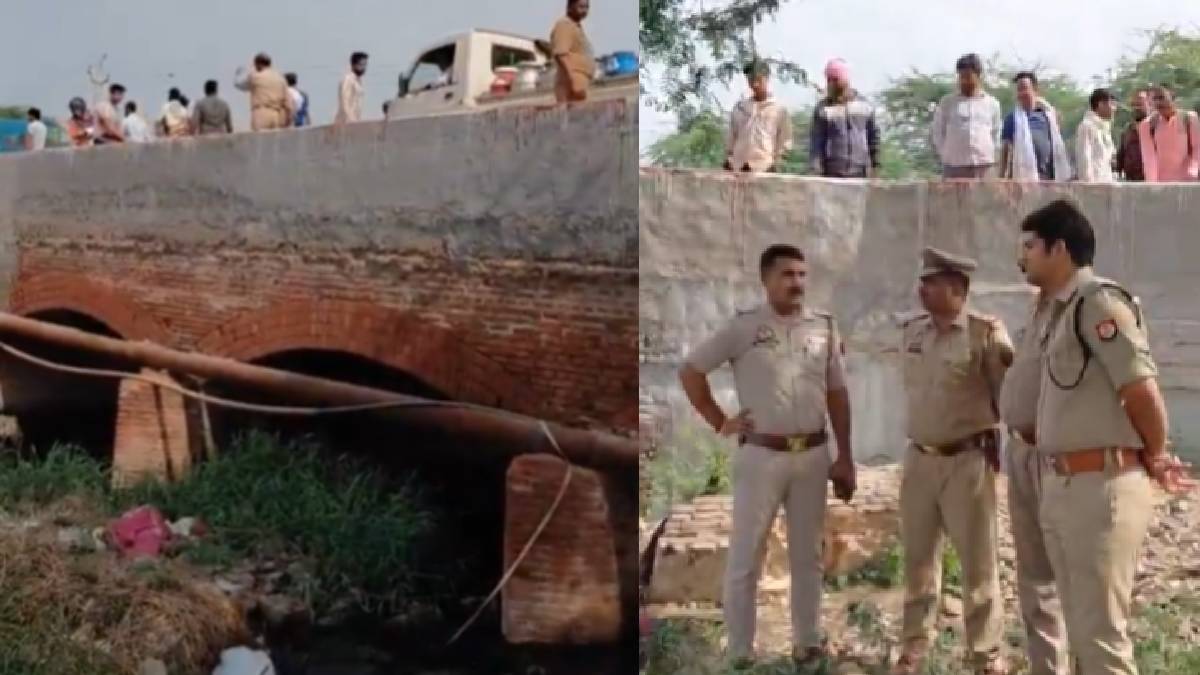
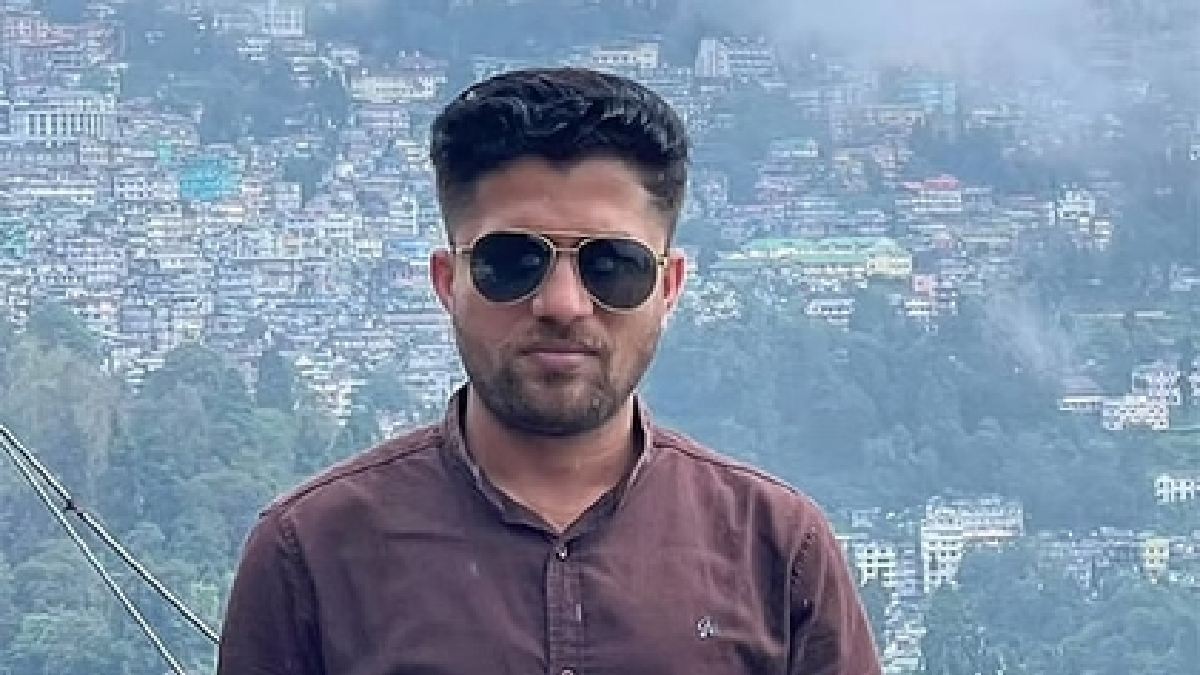
The killing of Mukesh Chandrakar was a shocking and tragic fact of the 28‑year‑old journalist and YouTuber in Chhattisgarh and the rest of India. Mukesh was known as the one who had made Bastar Junction channel and was also known for exposing corruption and irregularity in government projects. In December 2024, he revealed huge corruption in a road construction project of ₹120 crore in Bijapur. Just weeks later, on January 3, 2025, his body was found stuffed inside a septic tank at the home of the contractor he had exposed.
Mukesh’s investigation showed how the original project cost of ₹73 crore in 2010 had escalated to ₹188 crore by 2021. Despite huge payments, the work was incomplete and substandard. ₹116 crore had already been paid for poor‑quality construction. His reporting was powerful; two Public Works Department (PWD) officials were suspended due to his revelations.
Mukesh’s courage in exposing corruption made him a respected voice in Bastar. But it also made him a target.
On January 3, 2025, Mukesh’s body was found in a septic tank at the contractor’s house. Shockingly, the contractor was his own cousin, the one he had exposed in his reporting. Mukesh was killed for the honest work he did as a journalist. His death exposed the risks for whistleblowers and reporters who challenge powerful interests.
India has a Whistleblowers Protection Act that protects those who expose corruption. But Mukesh Chandrakar never got the protection. His murder shows how weak enforcement of such laws leaves whistleblowers vulnerable.
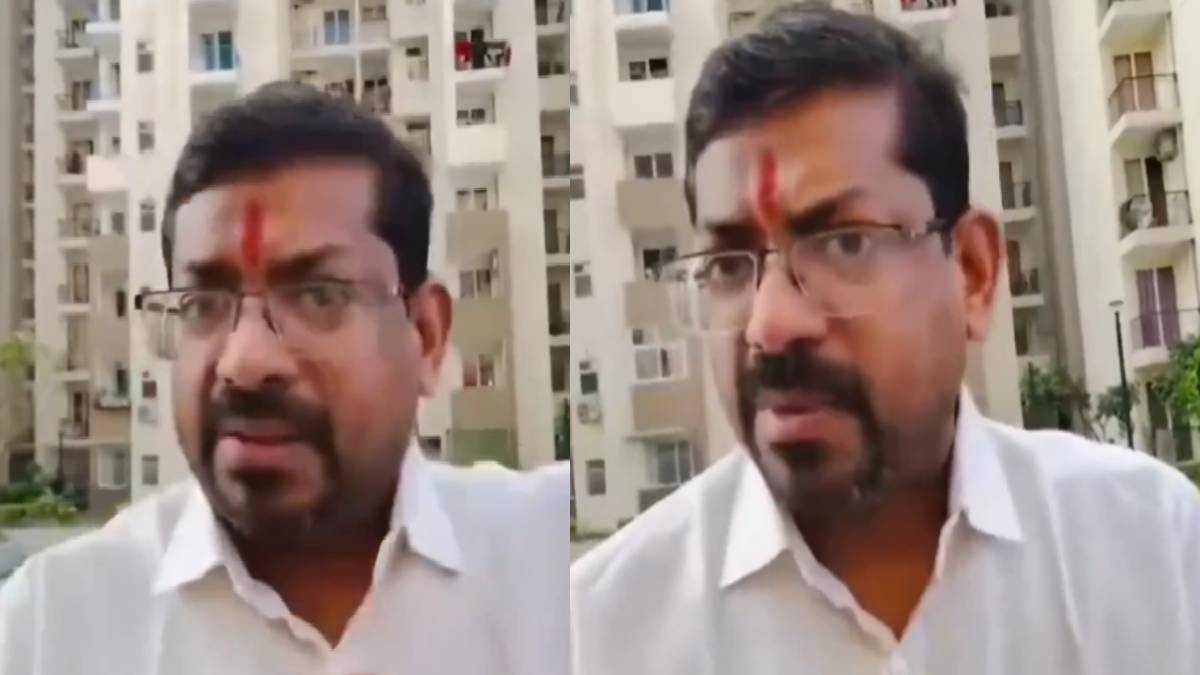
This case is not just about one journalist but also underscores the risks faced by many who speak up against corruption. It raises urgent questions about accountability, transparency, and the safety of those who dare to tell the truth.
Mukesh’s death triggered outrage among journalists, activists, and citizens. Many called for tougher protections for whistleblowers and more rigorous actions against corrupt officials and contractors. His sacrifice has become emblematic of the struggle for honesty and justice in public life.
Mukesh Chandrakar’s murder is a grim reminder of the dangers faced by whistleblowers in India. He exposed corruption worth hundreds of crores, but paid with his life. His story underlines the urgent need to strengthen whistleblower protections, ensure accountability in public projects, and safeguard journalists who risk everything to tell the truth.