In the wake of the large-scale protests led by the Cockroach Janta Party (CJP) in Delhi, Mumbai Police developed an extensive preventive strategy to avoid such law-and-order problems during demonstrations across Maharashtra.
Police sources said preparations for the protest were going on as early as two weeks in advance and were to focus on information gathering, social media monitoring and preventing key organisers.
A dedicated digital surveillance team monitored social media platforms at all times and tracked hashtags, keywords, viral posts and accounts that were allegedly involved in promoting the CJP movement. Police officials also monitored online influencers, political organizations and public figures that were in support of or amplifying the protest call.
Much of the online activity was driven by young supporters and social media personalities, and the police closely monitored digital mobilisation efforts, they said.
Three-Layer Strategy Adopted
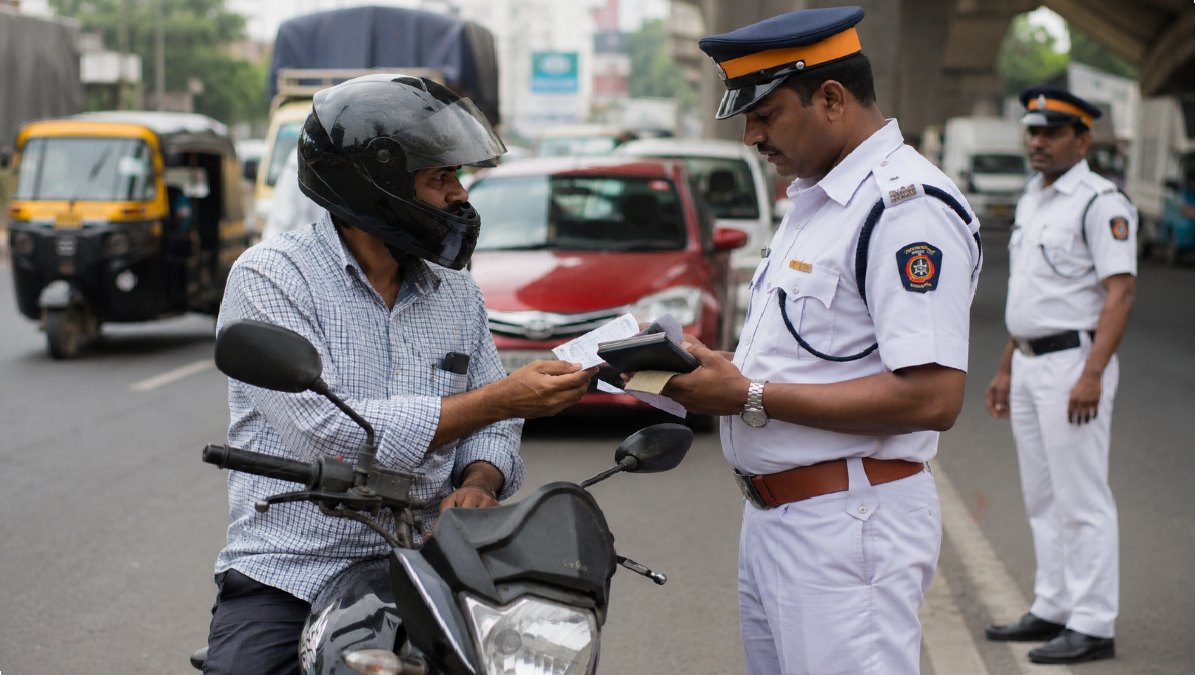
The Mumbai Police used a three-pronged strategy, they said.
The first layer was digital surveillance and intelligence collection. Police began tracking online activity almost 14 days before the planned demonstrations to gauge the scale of mobilisation and identify possible organisers.
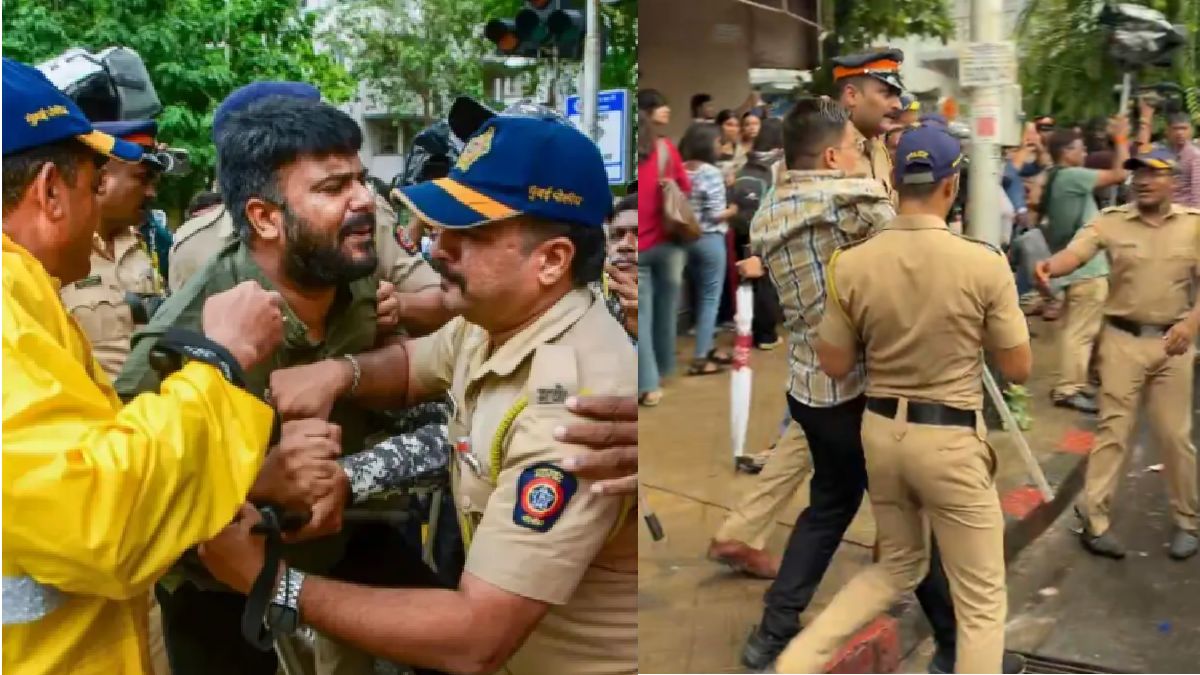
The second was preventive detention. Police sources said several people who were members of different protest groups were detained at Dadar railway station. Police detained two or three prominent people at the location, who were believed to have helped prevent larger groups from forming.
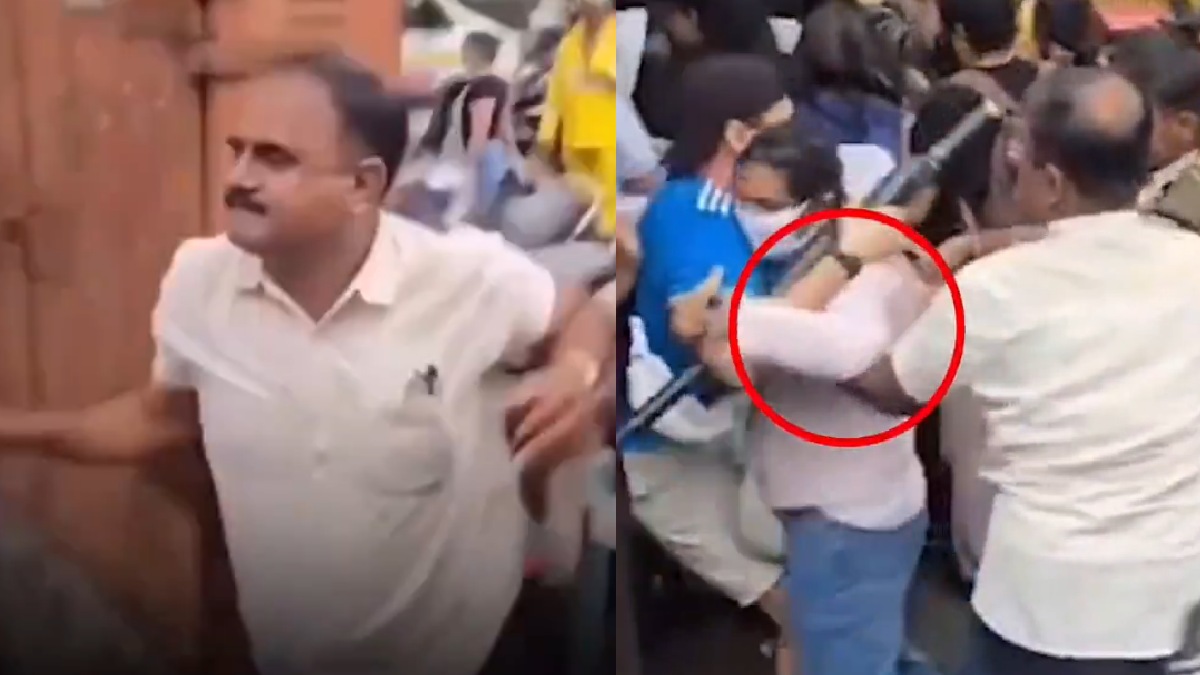
The third layer was around ground-level crowd control. Protesters who tried to enter prohibited areas were detained and transported to different police stations across Mumbai in public vehicles. That was the strategy police used to prevent large crowds from gathering at a single location, reports said.
Protests in 98 locations
The demonstrations did not stop in Mumbai. Protests were reported from 98 locations in Maharashtra including Shivaji Park in Mumbai, Shivaji Chowk in Kolhapur, Pune and Gadchiroli.
The police said intelligence was collected, digital monitoring was put in place and measures were put in place to keep law and order throughout the state.
The Mumbai Police’s approach came the day after mass protests in Delhi became a national story. Hundreds of students and supporters had gathered at Jantar Mantar and were trying to take an entry into the Parliament to stage a march to fight the alleged cheating in competitive exams, including the NEET.
The protests continued and the demonstrators wanted an apology from Union Education Minister Dharmendra Pradhan.
The events have also prompted a wider debate about digital surveillance, preventive detention and police restrictions during protests. It is a fact that authorities argue that advance monitoring is required to prevent violence and maintain public order, but critics have raised questions about the level to which social media activity and political mobilisation should be monitored by law enforcement agencies.
As protest movements increasingly rely on online platforms to arm supporters in the street, the Mumbai Police’s strategy shows digital intelligence is becoming an increasingly critical part of crowd-control operations in India.