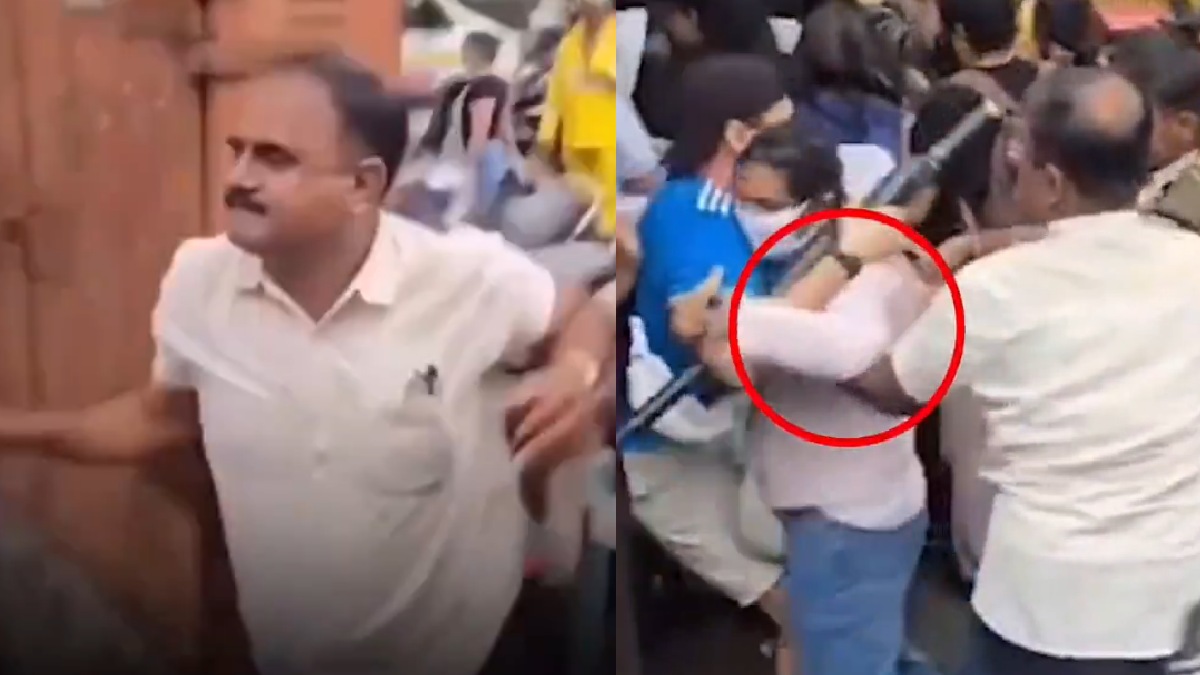
Mumbai Police are going to be very tough on people who drive on the wrong side of the road after a girl had an accident in July. From ordinary fines police have started to take action against people who have committed offenses and have taken over vehicles and taken away driving licences. That’s because they want to stop dangerous drivers from being allowed to turn traffic rules into a matter of convenience.
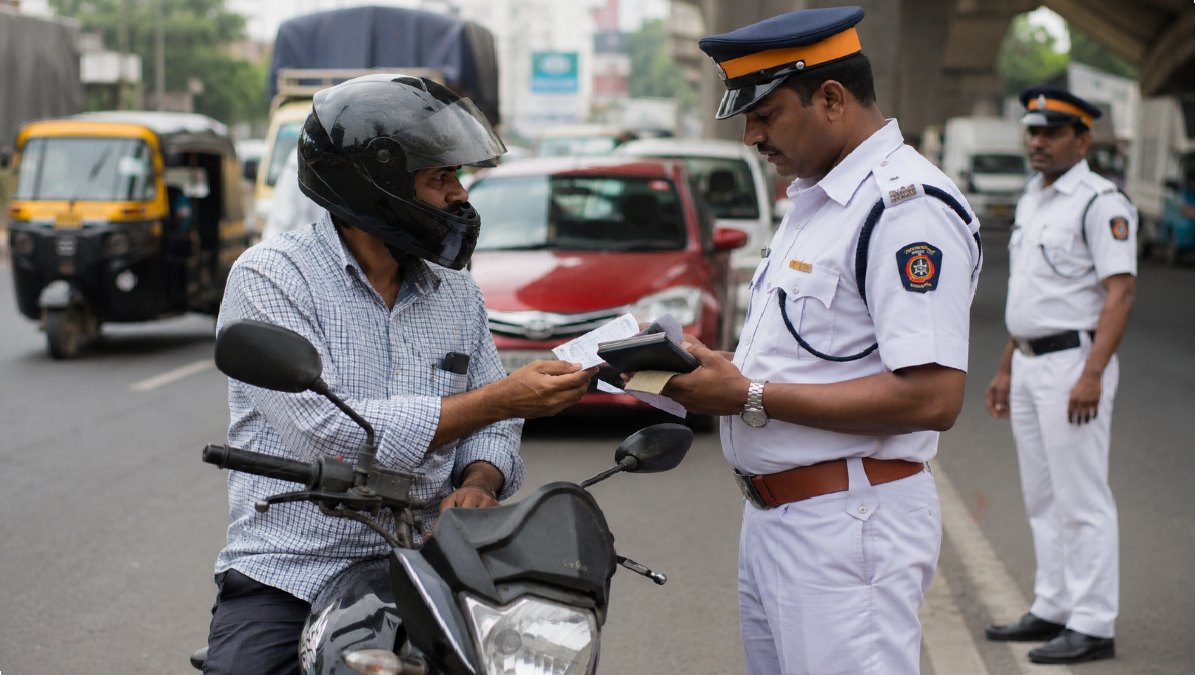
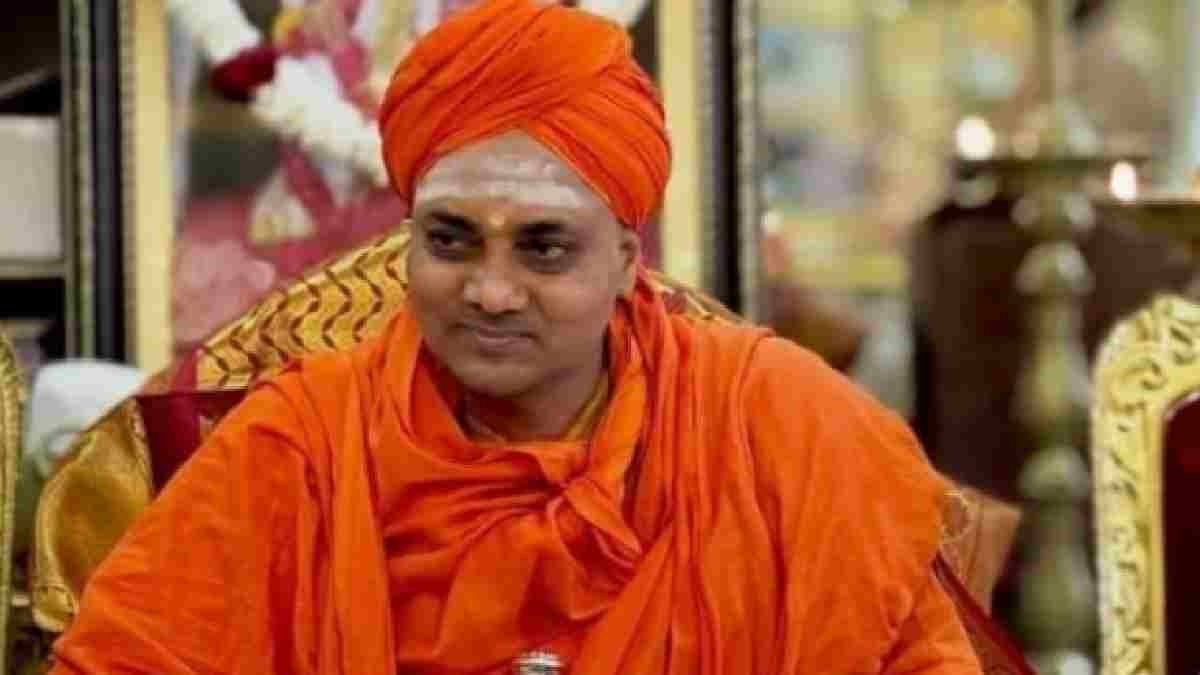
The campaign, which runs under Joint Commissioner Satyanarayan Choudhary and his team, has resulted in the registration of approximately 15-20 criminal cases every day against motorists they say are driving against the permitted direction of traffic. The enforcement action is a tougher approach to a violation that officials say can have severe consequences for pedestrians, cyclists, two-wheeler riders, and other motorists.
By late July 2026, Mumbai had more than 16,000 cases related to wrong-side driving. It’s especially significant because the total number of such cases is double compared to 2024 and 2025. The rapid increase is a reflection of the magnitude of the problem as well as the intensified enforcement by road authorities across the city.
Wrong-side driving is considered one of the most dangerous traffic violations because it may cause unexpected conflicts between vehicles moving in opposite directions. Drivers who drive against the intended flow can leave other road users little time to react, especially at junctions, flyovers, service roads, and busy intersections. Even a short stretch of wrong-side driving can result in a head-on collision or force another car to suddenly swerve, which could cause both to collide.
Two-wheelers are at the forefront of traffic violations. Motorcyclists and scooter riders take wrong-side routes to speed up or get out of congestion when they are trying to make a quick turn, get to a nearby road, or avoid a longer route. But traffic officials have warned that shortcuts can put riders and other road users at risk.
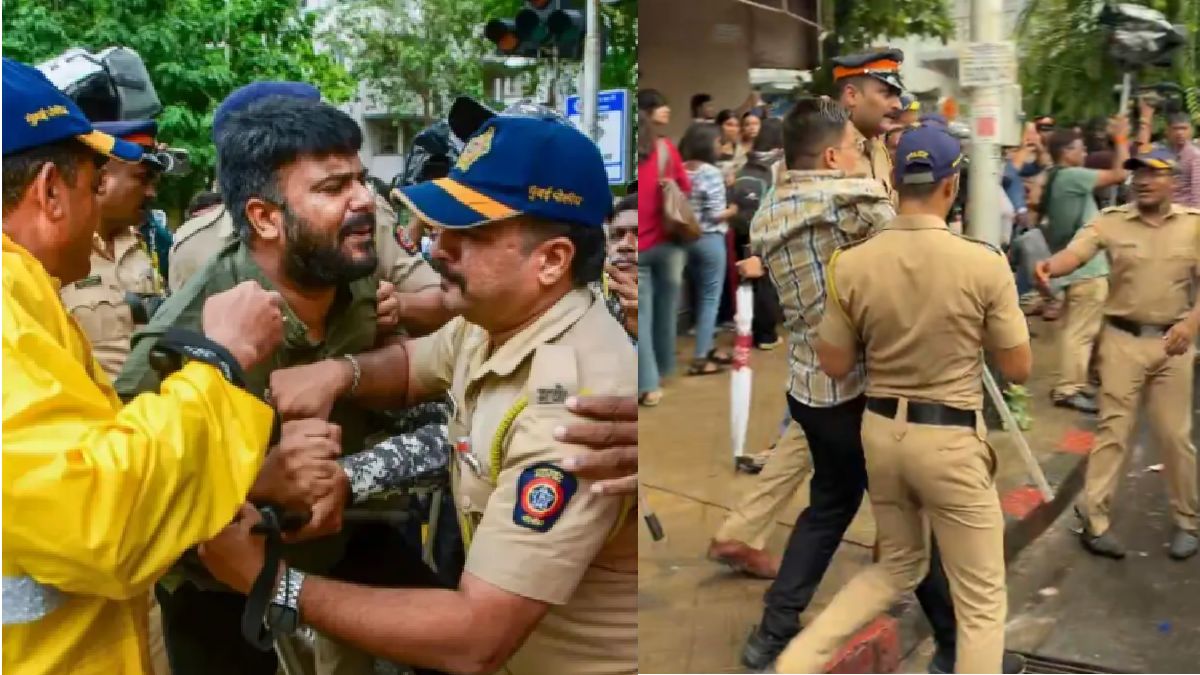
There are flyovers and major choke points where traffic is moving fast and visibility is very limited at busy areas like flyovers and major junctions. So the problem can be particularly bad for drivers in those places if a car moves in the wrong direction because drivers coming from the other side of the road may not have seen traffic coming from the other direction.
The latest enforcement approach is also to target repeat offenders. Police officials are looking at drivers’ driving records to determine whether the drivers are committing traffic violations all the time. Rather than treating each offence as an isolated incident, authorities would like to see whether there is a strong response against habitual offenders.
Vehicle seizure and action against driving licences are among the measures that are also being used in addition to monetary penalties. More severe penalties could make drivers think twice before breaking traffic rules, officials said. It’s an effort to move enforcement from just the collection of fines to more of a sanctions and to create a deterrent for people.
The girl's July incident has made the road safety campaign a lot more urgent because of the human toll of bad road behaviour. Safety for families and pedestrians is not just about infrastructure but also about driving within the rules. A single movement against traffic can be deadly to even a single person in seconds.
Mumbai Police are also looking beyond enforcement and planning for road conditions which might lead road users to enter from the wrong side. Road upgrades and road management and changes in road configuration can be considered in places where traffic flow and junction design (or access arrangements at other points on the road) will cause a violation.
Better signage, road markings, traffic management, and physical changes will reduce the chance that people would enter the road from the wrong direction.
The crackdown comes as Mumbai is still dealing with heavy traffic volumes and growing pressure on its road network. Drivers take shortcuts when they are overwhelmed by traffic, but traffic enforcement officials insist that it is not worth risking death in a car accident. Safer driving habits are fundamental to maintaining safety for all on the city’s roads, they say.
Joint Commissioner Satyanarayan Choudhary has stressed the seriousness of the issue, warning that wrong-side driving can cost lives. From the enforcement campaign, this is clear: Drivers who are driving deliberately against traffic can face very different consequences than just being given a fine.With more than 16,000 cases already recorded by late July, Mumbai’s intensified campaign signals a major push towards better compliance with traffic regulations.
The real impact will be in the number of cases and whether people in the city change their behaviour and not just whether the crackdown works in terms of getting drivers to go slow and behave accordingly. Enforcement, action against repeat offenders, and improved road design can all assist in making wrong-side driving less common.
For Mumbai residents, the campaign is also an opportunity to see that road safety is a collective responsibility. Following traffic laws, keeping to the junction rules, and avoiding dangerous shortcuts can minimize collisions, helping vulnerable road users and contributing to safety.
Police officials hope enforcement will ultimately lead to a stronger culture of traffic discipline in the city, where drivers follow the rules not only out of fear of getting caught but also because they understand the risks involved in breaking them.