Mumbai and many parts of Maharashtra are being flooded with monsoon rains, which have brought Mumbai and many parts of Maharashtra to a standstill, and have killed and disrupted people, forcing the government to shut down schools to ensure there are no longer any school buildings in Mumbai and other parts of Maharashtra. One of the worst incidents happened in Mumbai's Mankhurd area, where a residential house collapsed amid the torrential rains, killing six people, including five children, and leaving another person injured. Search teams were continuing to search for survivors in the debris to ensure no one remained trapped in the mud.
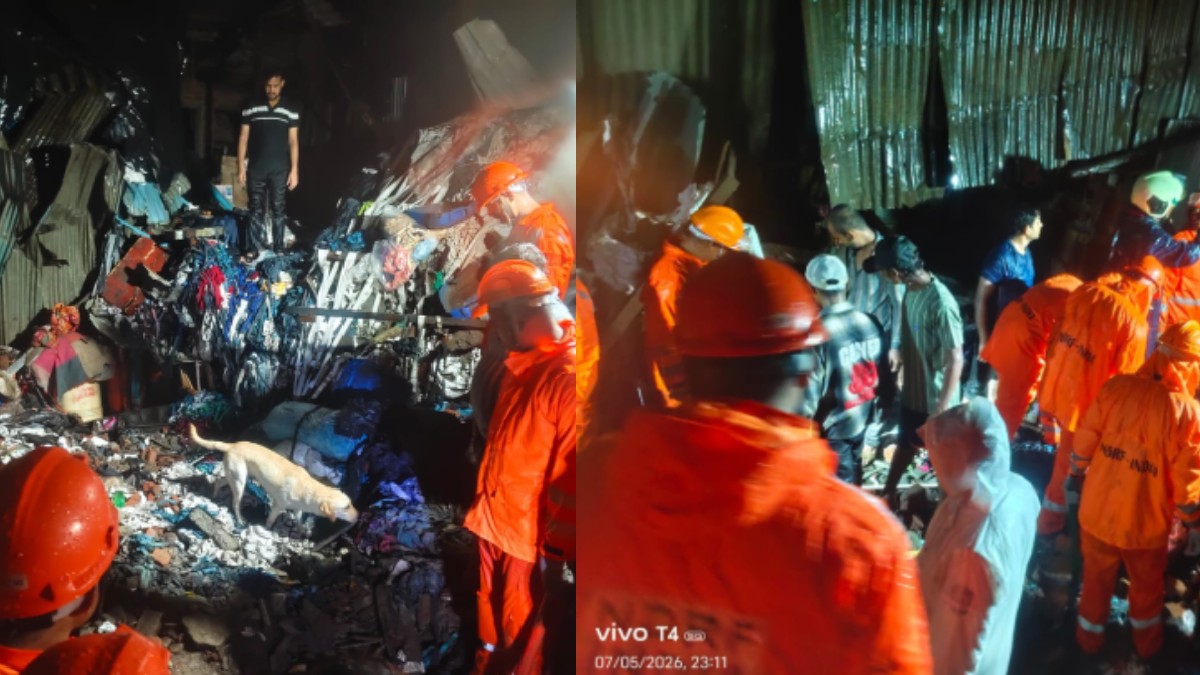
The collapse took place Sunday evening after hours of heavy rainfall had weakened the structure. Fire brigade personnel, disaster response teams, police, and Brihanmumbai Municipal Corporation (BMC) officials rushed to the site and started rescue efforts. Heavy equipment was used to clear the debris while workers searched for survivors. A structural investigation was to begin on the collapse to determine the exact cause.
Due to the bad weather conditions, the India Meteorological Department (IMD) increased its warning for Mumbai and the surrounding areas, and civic authorities ordered a holiday for all government, private, and civic-run schools and colleges on July 6. The closure was ordered to protect students and staff as predictions of heavy rainfall and strong winds across the Mumbai Metropolitan Region were made.
The heavy rains have severely affected transportation in Maharashtra. Landslides in the Bhor Ghat section disrupted long-distance rail connections between Mumbai and Pune, stopping all trains and forcing many train services to be suspended and diverted. The authorities also temporarily shut down sections of the Mumbai-Pune Expressway and the old Mumbai-Pune Highway to prevent landslides and debris in the vicinity of Mumbai, which made travel unsafe.
Air travel has also been affected, with erratic weather conditions causing delays to several flights to and from Mumbai. Waterlogging on the major roads caused long traffic jams, and local bus services had to be diverted. Most suburban railway services in Mumbai were still operating on many routes, but services were delayed due to the ongoing rainfall and water accumulation on the tracks.
The city’s famous dabbawala network, which has a near-flawless delivery system, suspended operations for the day because of disruptions to the suburban rail network. Mumbai University also postponed scheduled examinations, citing student safety and the severe weather.
Apart from the Mankhurd tragedy, civic authorities reported hundreds of incidents involving fallen trees, damaged structures, and localized flooding. Emergency control rooms remained on high alert as municipal workers pumped water out of flooded streets and cleared blocked drains. Residents in low-lying areas were advised to stay indoors and not enter waterlogged areas unless necessary.
The intense rainfall is due to an active monsoon system that is affecting western India. Many weather stations in Mumbai have already been experiencing exceptionally high rainfall this month, with some areas nearing or exceeding their average July rainfall within just a few days. Heavy showers may continue, but conditions are expected to gradually improve later in the week, according to Maharashtra weather services.
BREAKING: Mumbai monsoon horror: 6 dead, of them four children, 2 toddlers!
— Hayat (Nozia) Sayyed (@NoziaSayyed) July 5, 2026
Watch the video of the Mankhurd bldg collapse here!
Like, follow, share
*National Bulletin*@mybmc @CMOMaharashtra @mieknathshinde @Awhadspeaks @rushikesh_agre_#Mumbai #rains #Monsoon #death… pic.twitter.com/X2iJ0IVw2d
The Maharashtra government and local administration have appealed to citizens to follow weather advisories, avoid unnecessary travel, and report emergencies to local authorities immediately. Disaster response teams remain deployed across vulnerable locations for rescue, relief, and restoration efforts.
The recent monsoon rains again exposed Mumbai’s perennial problems of urban flooding, aging infrastructure, and weather-related issues. As authorities work to restore normalcy, the focus remains on protecting lives, assisting affected families, and ensuring public safety during one of the most intense periods of the monsoon season.