Mumbai is going to see another major urban infrastructure upgrade with a proposed 1.3-km underground pedestrian passage connecting the Science Centre Metro Station on Metro Line 3 to the Worli Promenade through the Mahalaxmi Racecourse. At a cost of ₹702.4 crore, the project will improve last-mile connectivity for the city and provide pedestrians with a safer, more convenient route between the metro network and the major destinations in the Worli area.
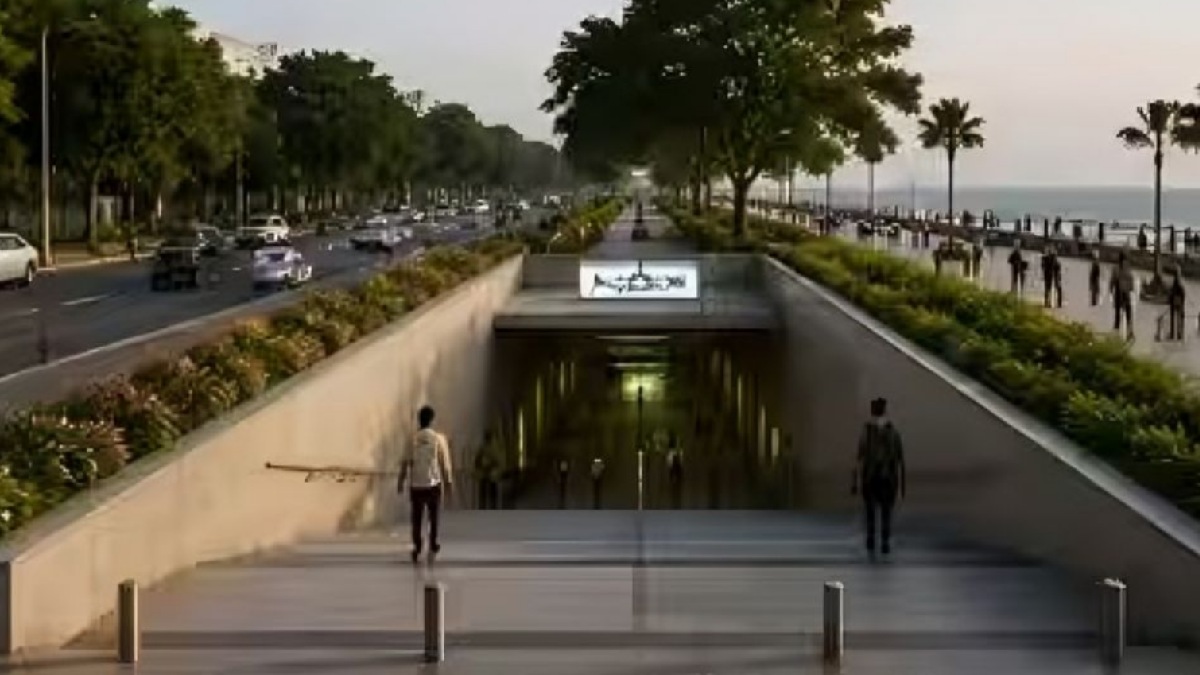
It is one of the first in a series of urban projects by the city to integrate public transport with pedestrian infrastructure to make movement across densely populated urban areas in cities more seamless.
The proposed route will provide a direct underground link from Science Centre to the Worli coastline and the coastal promenade, and avoid the traffic on the streets. The route will pass through the Mahalaxmi Racecourse, which will be one of Mumbai’s central places for pedestrians to walk through and one of the city’s central recreational and public spaces.
The development will be important to Metro passengers who need to travel to the Worli waterfront and around the port of Worli after arriving at Science Centre.
The project is being taken forward by Mumbai Metro Rail Corporation Limited (MMRCL) and the BMC is expected to fund the project at the later stages. After an agreement and payment for the physical progress and project milestones, the financial support will be released as an advance. Once the facility is complete, the civic body will take over the operation and maintenance of it.
The underground walkway is also linked to Mumbai’s Transit-Oriented Development strategy. Under Development Control and Promotion Regulations (DCPR) 2034, infrastructure development around the major public transport hubs (metros and train stations) has been encouraged. The goal is that passengers don’t just reach a station; they can also move efficiently between public transport facilities, commercial areas, recreational places, and other key city spaces.
The Science Centre Metro station is part of the Mumbai Metro Line 3, also called the Aqua Line. It serves the Worli region and has access to the Nehru Science Centre. The underground pedestrian connections around the station have been discussed for several months. Earlier proposals were to build a wider network of pedestrian tunnels connecting Metro 3 stations with important places such as the Nehru Planetarium and Worli Promenade.
The project has a significant engineering aspect as it will need to construct an underground pedestrian structure in a dense urban environment. MMRCL's tender documents describe experience in underground pedestrian subways, cut-and-cover tunnels, underground reinforced concrete structures, and other tunnelling methods appropriate for pedestrian infrastructure.
The tender conditions also allow for different construction methods such as cut-and-cover, NATM, box-pushing, and other appropriate underground construction techniques.
The construction contract has also progressed. The publicly available project information indicates that J. Kumar Infraprojects has signed the contract for the design and construction of the underground pedestrian vestibule with an estimated value of ₹521.77 crore and a 24-month completion time. The larger ₹702.4 crore that is in the current civic proposal is indicative of the bigger funding demand for the project.
Mumbai residents can also expect the benefits of improved pedestrian safety and comfort for walkers. The busy roads, traffic junctions, and weather conditions that are part of the most frequent connections between major transport stops and busy roadways and destinations can lead to a lot more of a dense walk from one place to another for a lot of people in Mumbai to another in the city, and it will make it safer for walkers to cross heavily trafficked roads. In the short run, a lot of people will use public transport first and last in the last few parts of their journey, not just with private cars or short-distance taxis.
The proposed passage would further cement the relationship between Metro 3 and the city's coastal public spaces. The Worli Promenade will still be a popular place for residents, tourists, and recreational users, and the Worli-Mahalaxmi belt will have a lot of places to see and do in residential, commercial, cultural, and institutional life.
A pedestrian connection could be introduced that would make these destinations more accessible from the metro, contributing to the transformation of the area.
Mumbai’s growing metro network is accompanied by efforts to improve the infrastructure around stations. As more people move to mass transit, seamless walking connections are critical to making the metro journey really convenient. This is the principle of the proposed Science Centre-Worli Promenade passage, which takes Metro 3 beyond the station entrance and into the city.
If funded as planned, the 1.3 km underground facility could become a vital component of Mumbai’s pedestrian infrastructure. A dedicated underground route connecting a Metro 3 station, the Mahalaxmi Racecourse, and the Worli Promenade is a way to increase last-mile mobility, reduce pedestrian interaction with traffic, and create a more unified public transport experience. The ₹702.4 crore project is then not just a new walkway but a further step towards a more connected and pedestrian-friendly Mumbai.
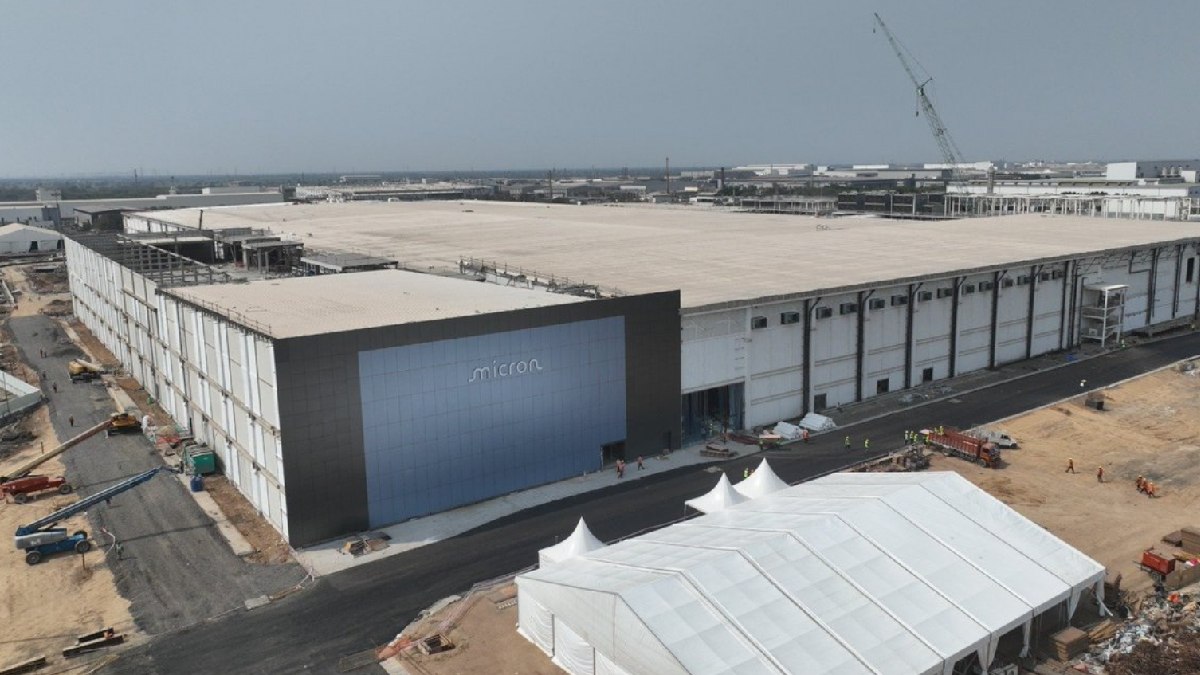
Micron’s approval could offer much greater flexibility as Sanand expands. Semiconductor plants need to have precise production schedules, and if we can use extended shifts without increasing total weekly working hours, the company can organise its workforce more efficiently. At the same time, voluntary consent and record-keeping are at the center of the arrangement.
Gujarat might also attract investment from other semiconductor companies in India. As the country tries to set itself up to become a reliable node in the global chip supply chain, policymakers are forced to balance manufacturing flexibility with workplace safety and employee protections. The Sanand deal is just the first example of this new labour regime being applied to a highly specialized, round-the-clock manufacturing industry.
With Micron’s factory now operational and India’s semiconductor ambitions expanding, Gujarat’s approval of 12-hour shifts highlights the changing nature of industrial policy around high-tech manufacturing. The government wants to create conditions for continuous production and investment while keeping the 48-hour weekly limit and other labour protections in place.