Andhra Pradesh government has proposed a yearly increase in the stipend paid to junior doctors, with an annual hike of 3 per cent beginning next year. The proposal will help in the financial support to postgraduate medical doctors and address their stipends.
As junior doctors or those studying for postgraduate play an important role in government hospitals and medical institutions. They are involved in patient care, emergency duties, ward duties and other clinical work while continuing their specialised training.
The proposed annual revision could provide junior doctors with a gradual increase in their monthly income. A yearly hike would have a more predictable system for stipend growth instead of occasional revisions.
Andhra Pradesh government’s move comes as the country is having much bigger conversations about the working conditions and financial support for resident doctors. Junior doctors are often seen to work long and demanding shifts, especially in government hospitals where patient loads can be high.
If stipends are increased regularly and in a consistent manner then government medical institutions will be more attractive to postgraduate medical students. Stipend levels are an important factor in any choice of medical school for young doctors, especially for accommodation, food, transportation and professional education.

If the 3 per cent annual hike is implemented, the stipend would increase every year. While that percentage may appear modest to some, it can give doctors more financial support over years’ terms.
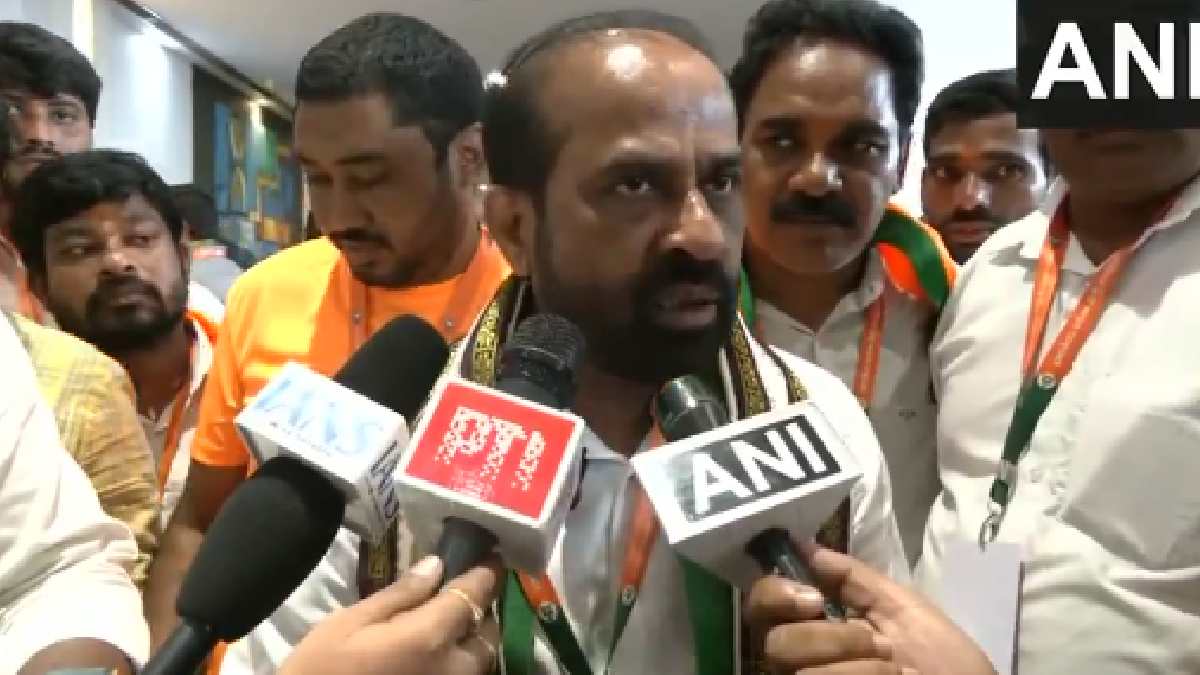
#WATCH | Visakhapatnam | On junior doctors' strike demanding stipend hike, Andhra Pradesh Minister Satya Kumar Yadav says, "In southern states particularly, the stipend given by Andhra Pradesh is comparatively more than states like Karnataka, Tamil Nadu and Keralam... Their… pic.twitter.com/yFXEhM5wPw
— ANI (@ANI) August 18, 2026
The government will need to work out the details of implementation the new stipend structure and effective date. The final decision will guide how the proposal is implemented across the state government medical colleges and hospitals.
It might also boost junior doctors’ morale and make them more positive. Financial pressures as well as a long clinical journey combined with very high clinical demands make it hard going in postgraduate medical school. A predictable annual revision might provide a little relief and provide financial stability.
In Andhra Pradesh’s healthcare system, supporting junior doctors is extremely important as they form a large portion of the workforce that helps provide services in government hospitals. That includes emergency care and routine treatment and helping senior medical professionals.
The stipend hike is therefore more than salary based. It is the result of the government’s desire to create a better support system for doctors who are training on a constant basis and to have a stable medical workforce.
If approved and implemented as proposed, the 3 per cent annual increase from next year could establish a regular mechanism for stipend revisions in Andhra Pradesh. The final details and official notification will be closely watched by junior doctors and medical students throughout the state.