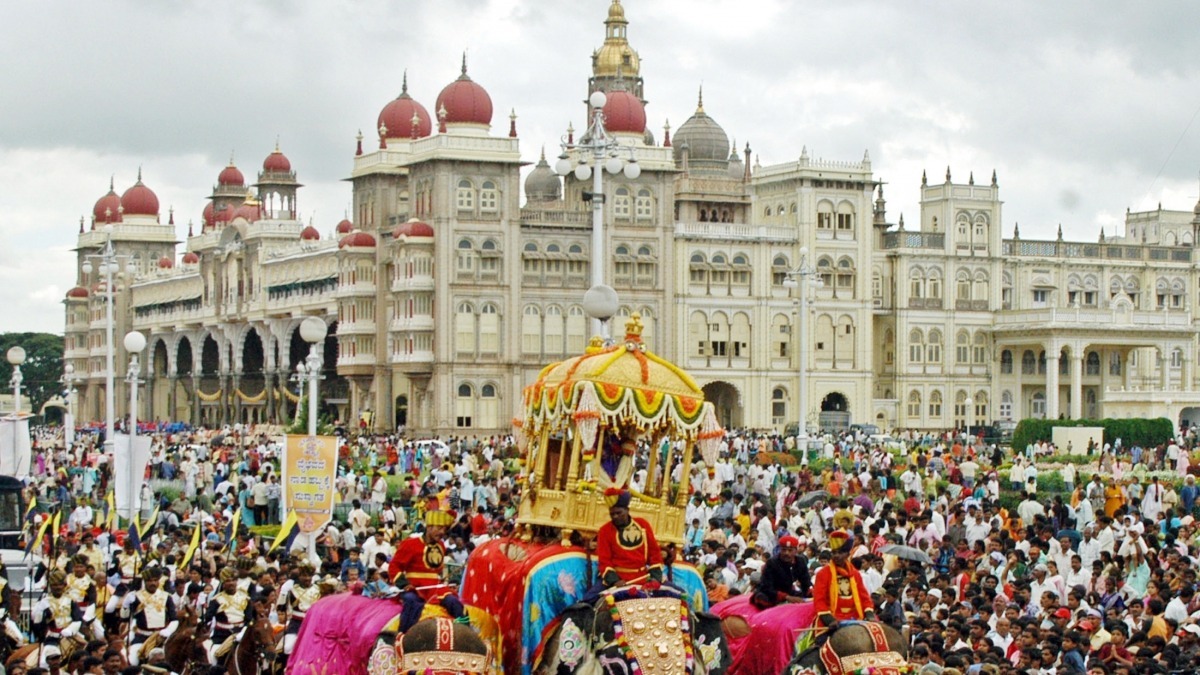
The countdown to the grand Mysuru Dasara 2026 has started with the Dasara elephant contingent (Gajapade) arriving on the scene. The big jumbos have crossed over to Mysuru and are bringing the grandeur and ancient traditions from the state festival of Karnataka.
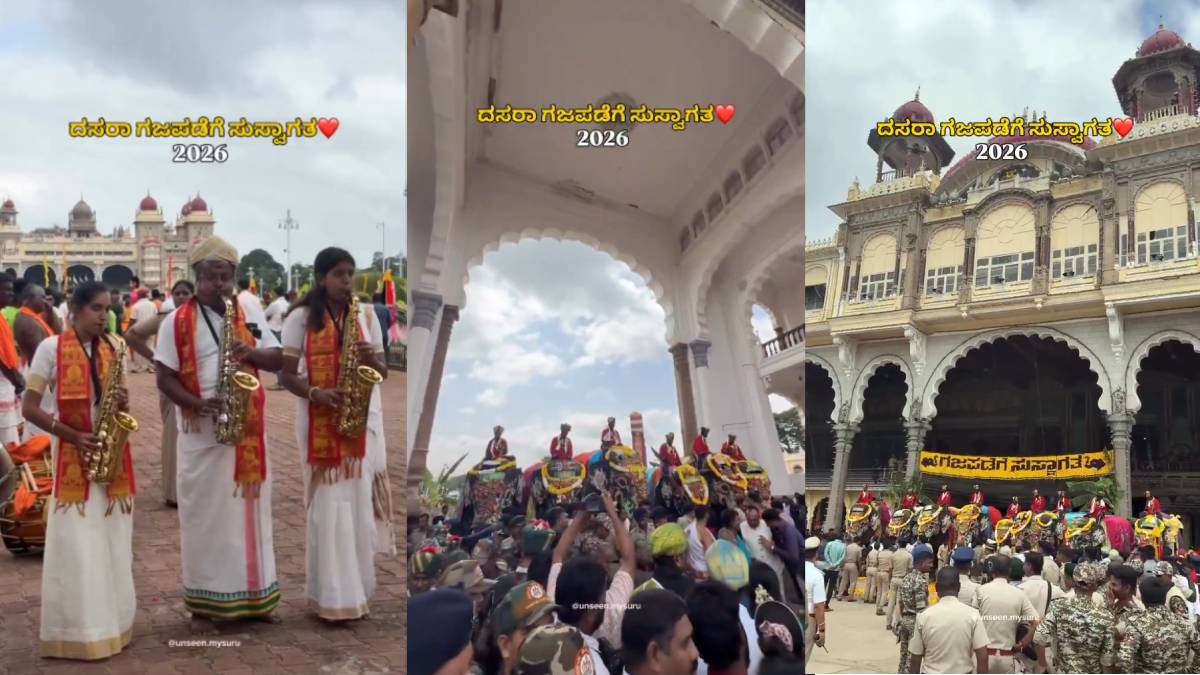
The arrival of the elephants is one of the most eagerly awaited stages of Dasara preparations. Gajapayana is the annual event that has been the starting point of the elephants' journey from their forest camps to Mysuru, from which they are trained and prepared for their important role in the grand Jamboo Savari procession. It was reported that the first batch of elephants started from Veeranahosahalli on August 26.
The arrival of the elephants moving towards Mysuru is a sight for residents, visitors and Dasara fans. People along the route meet to see the animals, greet them and welcome the forest-trained jumbos and also give thanks to them.
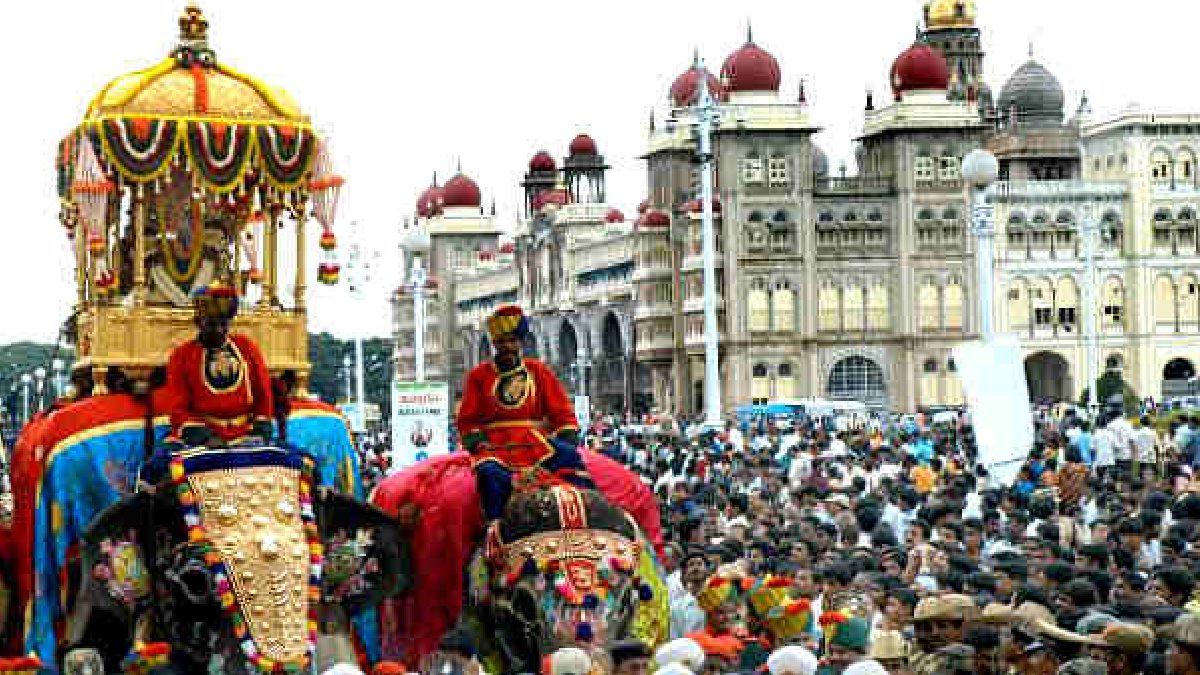
The elephants are not just part of the festivities; they are part of the identity and history of Mysuru Dasara too. On Vijayadashami, decorated elephants are present in the grand Jamboo Savari as a central feature of the festival. The lead elephant usually carries the golden howdah with the idol of Goddess Chamundeshwari as it walks through the city.
ಗಜಪಡೆಗೆ ಸುಸ್ವಾಗತ ❤️
— Karnataka Portfolio (@karnatakaportf) August 28, 2026
ನಾಡ ಹಬ್ಬ ಮೈಸೂರು ದಸರಾ 2026 ❤️#mysuru #dasara #bangalore #bengaluru @yaduveerwadiyar @mysurucitycorp @SPmysuru @lolita_tnie @christinmp_ pic.twitter.com/HQPSEcWBmj
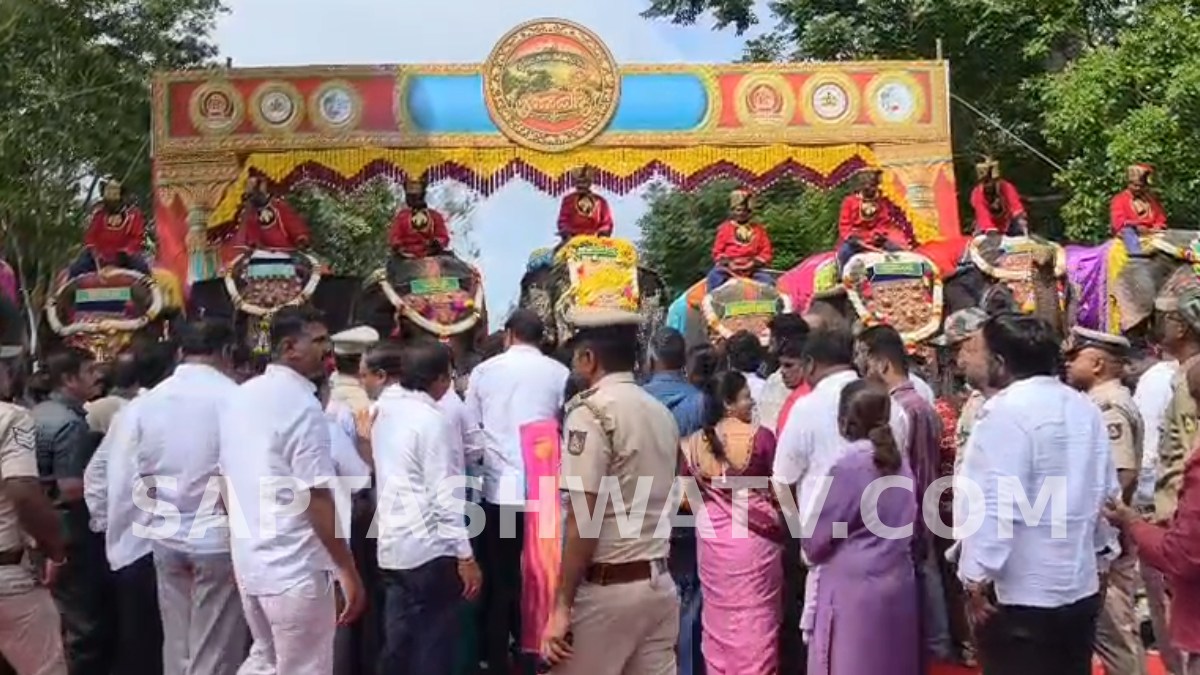
Preparations have already begun for the 2026 celebrations. Nine elephants have arrived in Mysuru as part of the initial preparations, and officials and caretakers are taking care of them and their food, and training them before the big procession.
The elephants are provided with special care by mahouts, kavadis, forest officials and veterinary teams in Mysuru. Their daily routine will include eating healthy food, bathing, healthcare and practice sessions to familiarize them with the city’s atmosphere, crowds, sounds and ceremonial environment.
The Jamboo Savari attracts a big crowd and features music, cultural performances, a huge cultural display of art and displays, beautiful tableaux and thousands of people in the procession. So the elephants should be comfortable and used to the environment, and therefore the preparations are of great concern to them.
Dasara is one of India's most famous festivals and is celebrated as the Nadahabba, or state festival, of Karnataka. Dasara in Mysuru has a royal tradition that goes back centuries, and the Wadiyar kings were integral in making it into the festival seen today.
The 2026 edition is scheduled to begin on October 11, with the grand Vijayadashami celebrations and Jamboo Savari on October 21, according to the Mysuru Dasara website.
The arrival of the Gajapade, therefore, comes well ahead of the main festival, giving the elephants and their handlers time to do the preparations.
Mysuru should always have Dasara elephants. It is not just an administrative or logistical task for Mysuru, but an emotional tradition that connects contemporary celebrations to the heritage of the city’s royal past. The phrase “Dasara Gajapadege Swagata” is one locals will use when they hear the elephants’ booming cry as they return to the center of another edition of the historic festival.
With Mysuru on the verge of Dasara 2026, the Gajapade has brought the city’s welcome to life in a new atmosphere. From the illuminated Mysuru Palace to cultural events and Jamboo Savari, the next few weeks are going to be a big celebration of Karnataka’s history, culture and traditions.
For thousands of visitors who will visit Mysuru during the festival, the Dasara elephants will again be one of the big attractions of the fest.