As Raksha Bandhan approaches, a new eco-friendly trend is emerging in Surat, Gujarat; shops and gaushalas are selling rakhis made from cow dung as opposed to plastic-based ones. Artisans and community groups are promoting the traditional work of rakhis on August 28, the day when Raksha Bandhan is celebrated.
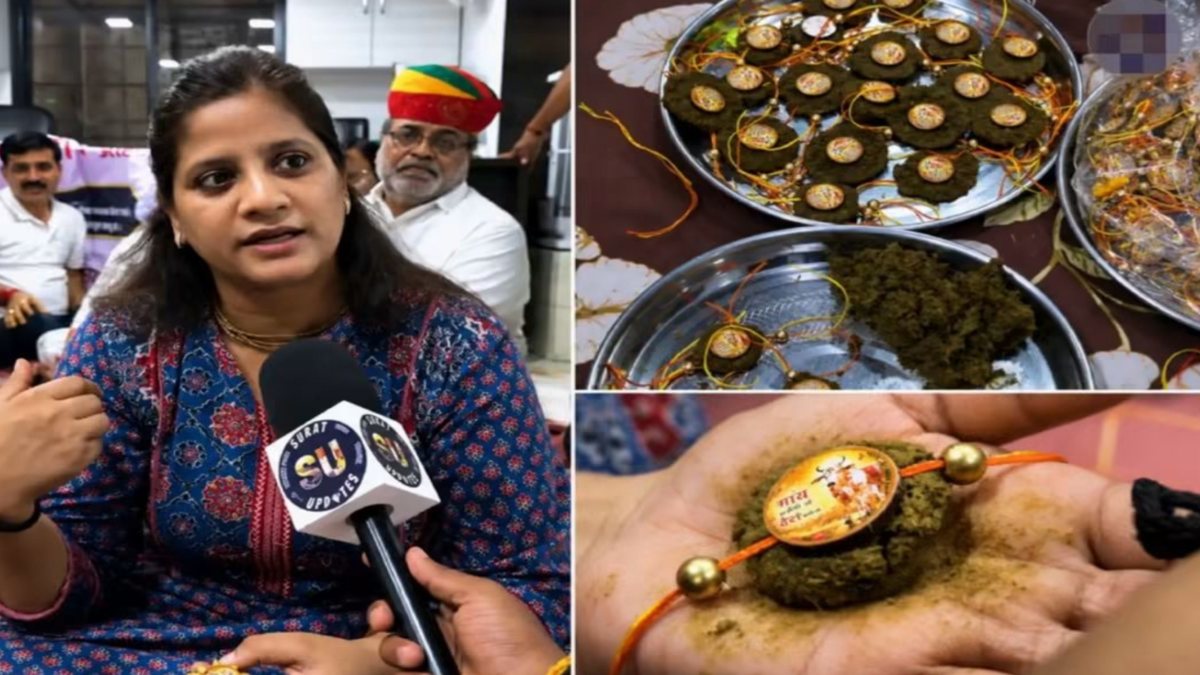
The rakhis are made with processed cow dung which is dried and powdered and mixed with other raw materials. Artisans create designs on top of the mixture and give them finishing touches after allowing the products to dry.
The goal is to convert waste into a product that could be considered waste and cultural value in the process: it transforms waste into a useful and culturally important product. Supporters of this initiative say that it is an opportunity for the promotion of environmentally friendly choices for artisans and gaushalas in the community and for artisans to earn income as well as for the people who work with gaushalas.
Natural materials for festive goods have been becoming more and more popular in recent years as consumers have become more aware of plastic waste. Conventional rakhis can contain synthetic threads, plastic decorations, artificial beads, and other materials that are hard to dispose of in a responsible manner. Eco-friendly alternatives based on natural fibres, seeds, paper, and other biodegradable materials are being looked at by artisans and small businesses.
Cow dung rakhis are sold in Surat with prices ranging between Rs 15 to Rs 75 in India depending on their design and craftsmanship. There are very low price tags and they are cheap to buy in order to get unique Raksha Bandhan gifts and therefore, for a handmade product for purchase. Different designs and decorative details are used to pick products for the customer to choose based on their taste and budget.
For the artisans working with this initiative, it is more than just a seasonal business opportunity. Production of rakhi can add to income during the festival season and help support small community groups and rural producers.
Using locally available materials, these groups can produce products and are not dependent on high-cost industrial products. The process also enables artisans to try out various motifs and modern-looking designs.
Supporters of cow dung rakhis also indicate the connection between the products and cow protection. Gaushalas that take care of cows can also find new revenue streams by producing products from natural materials. Turning cow dung into decorative or utilitarian products might also help such organisations to survive and reduce material waste.
The concept is not limited to Gujarat. Even rural groups in Tripura and other parts of India have adopted similar initiatives that are being promoted in a more environmentally friendly way to create an environmentally conscious product for festivals. These are examples of how traditional celebrations could also be used to make local people promote handmade products and pursue sustainable production methods.
Raksha Bandhan is deeply cultural and emotional in India. With the festival, siblings are connected in their relationship as the rakhi symbolises love, protection, and family ties. As consumer preferences change, so do products related to the festival. Eco-conscious buyers seek rakhis that will be in line with their commitment to waste reduction but still carry on the spirit of the festival.
However, the cow dung rakhi trend has also received mixed responses online. While supporters of the concept have praised the environmental and livelihood benefits, some social media users have derided it or questioned the cultural and practical value of such products. The divergent responses reflect the wider debate on finding alternative natural materials in everyday and festive products.
The discussion also raises questions about what is sustainable and what makes a product genuinely sustainable. Just using a natural material does not necessarily mean that the product has a low environmental impact. Processing, packaging, transportation, and the use of additional synthetic components can all affect the final environmental impact of a product. Those who want eco-friendly rakhis should look at the whole production process rather than focusing on a single material.
But the increasing variety of alternative rakhis is indicative of the growing diversity in India's festive market. Small businesses, artisans, and community organisations are making many of the same old celebrations but now incorporating new ideas recycling and environmental responsibility—in a way that is more relevant to the day-to-day lives of consumers.
Surat’s artisans and gaushalas can use the Raksha Bandhan season to present their craftwork to a wider audience. The rakhis offer a different shopping style, and they may also generate income for people who work on their products. The products have opened up a new conversation about the humble rakhi for consumers, and for that reason, buyers are interested in them for environmental reasons, curiosity, cultural interest, or support for local artisans.
The initiative also shows how festivals can be a vehicle for local entrepreneurship. Seasonal demand allows artisans to create products specifically for celebrations, and social media and local markets can also be the place to bring in artisans to create new types of products for new customers. In the Indian market, if more and more people are attracted to handmade and biodegradable festive products, we will see more of these kinds of products as they become available to consume.
Cow dung rakhis in Surat represent a unique interplay of tradition, sustainability, and local enterprise. Priced between Rs 15 and Rs 75, they provide consumers with an alternative while supporting artisans and community projects. Although opinions about their appearance, cultural symbolism, and environmental claims remain divided, their emergence reflects a broader effort to rethink the materials used in festive products.
As Raksha Bandhan is celebrated, these rakhis are drawing attention not only for their unconventional material but also for the larger ideas they represent. Whether the trend becomes mainstream or remains a niche choice, the growing interest in sustainable rakhis suggests that environmentally conscious festive shopping is becoming an increasingly visible part of India's celebrations.