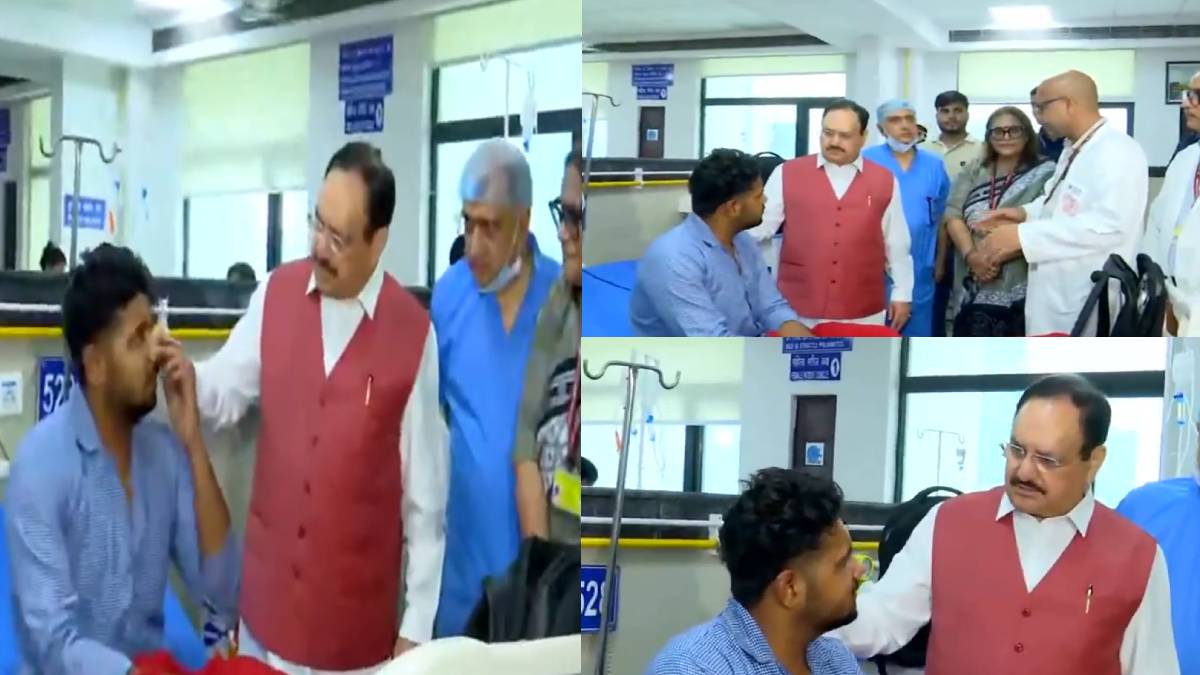
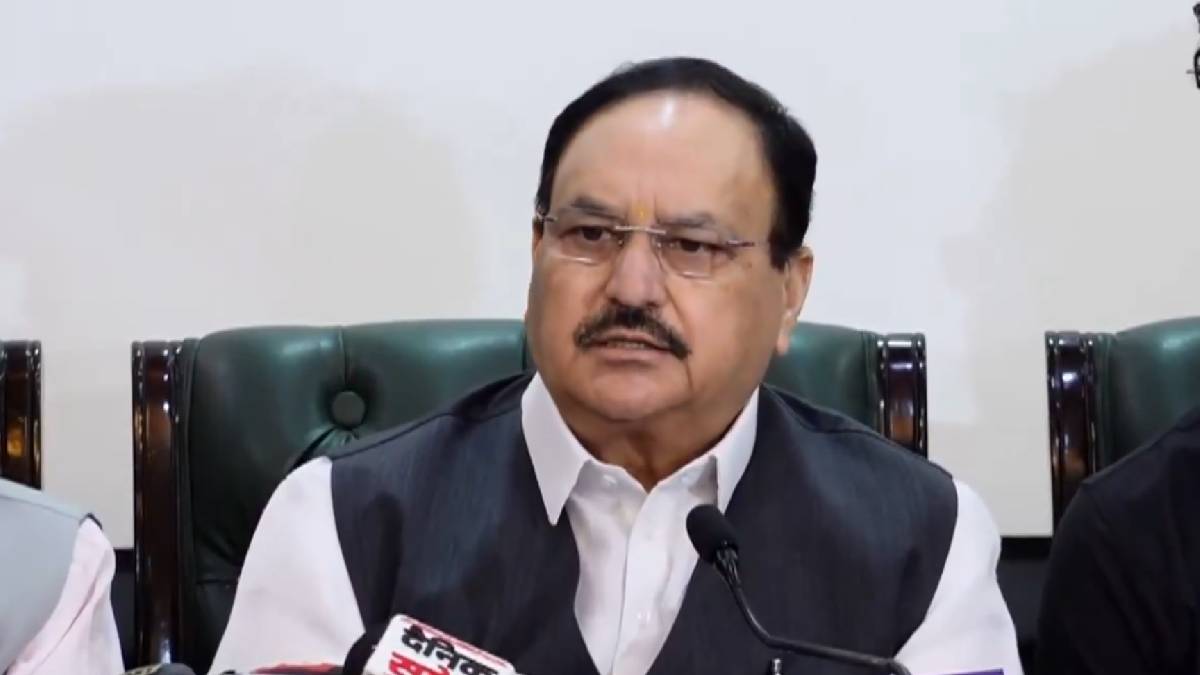
Union minister JP Nadda has held talks with representatives of a group demanding that the caste-based reservation system in education and government jobs be replaced by an income-based quota system. The meeting has come three days after the group staged a demonstration at Delhi's Jantar Mantar, with the government saying it is willing to continue to work with them.
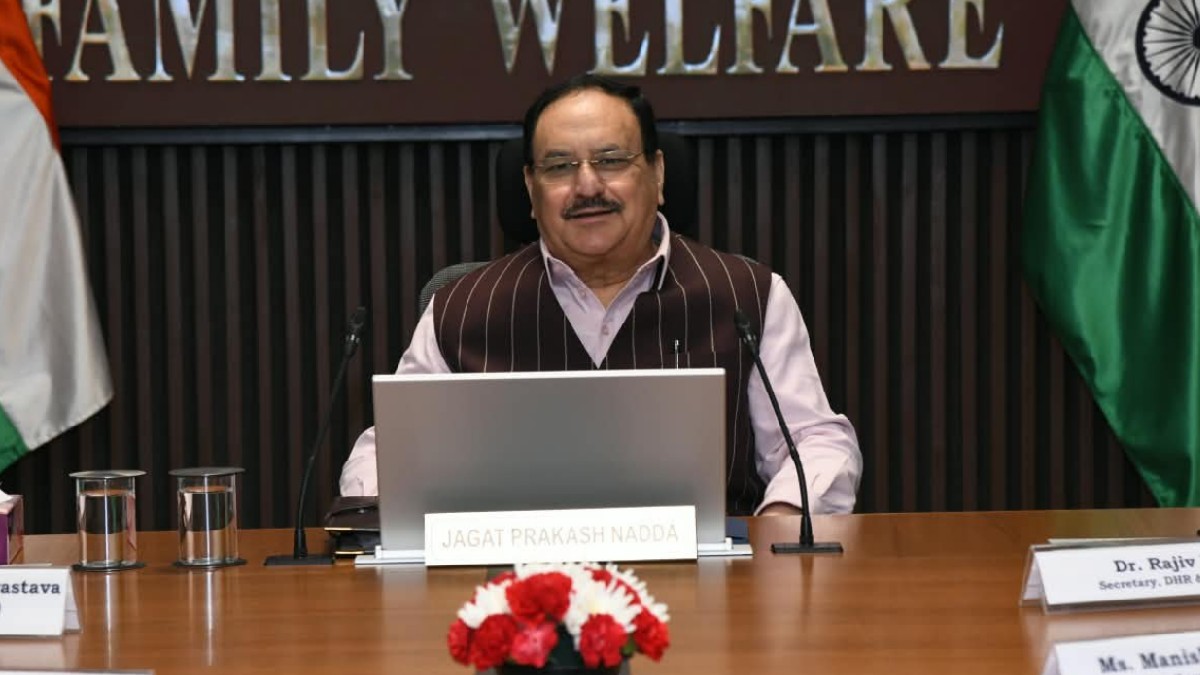
The delegation included Harsh Dubey, Ran Bahadur Singh Chauhan and Mrityunjay Pathak, members of the August 21 protest group. The demonstration was based on the group’s bid for reservation based on the economic condition of people and families, the group said.
Nadda referred to the meeting in a post on X but did not detail the specific demands discussed or disclose the outcome of the interaction. The talks were made according to a schedule and it was cordial, he said. He also said that a meeting with the representatives would be held soon.
21 अगस्त को जंतर मंतर पर हुए आंदोलन के उपरान्त पूर्व निर्धारित समय के अनुसार श्री हर्ष दुबे, श्री रण बहादुर सिंह चौहान व श्री मृत्युंजय पाठक, टीम के सदस्यों से सौहार्द पूर्ण वार्ता हुई। इस क्रम में हम शीघ्र ही फिर मिलेंगे।
— Jagat Prakash Nadda (@JPNadda) August 27, 2026
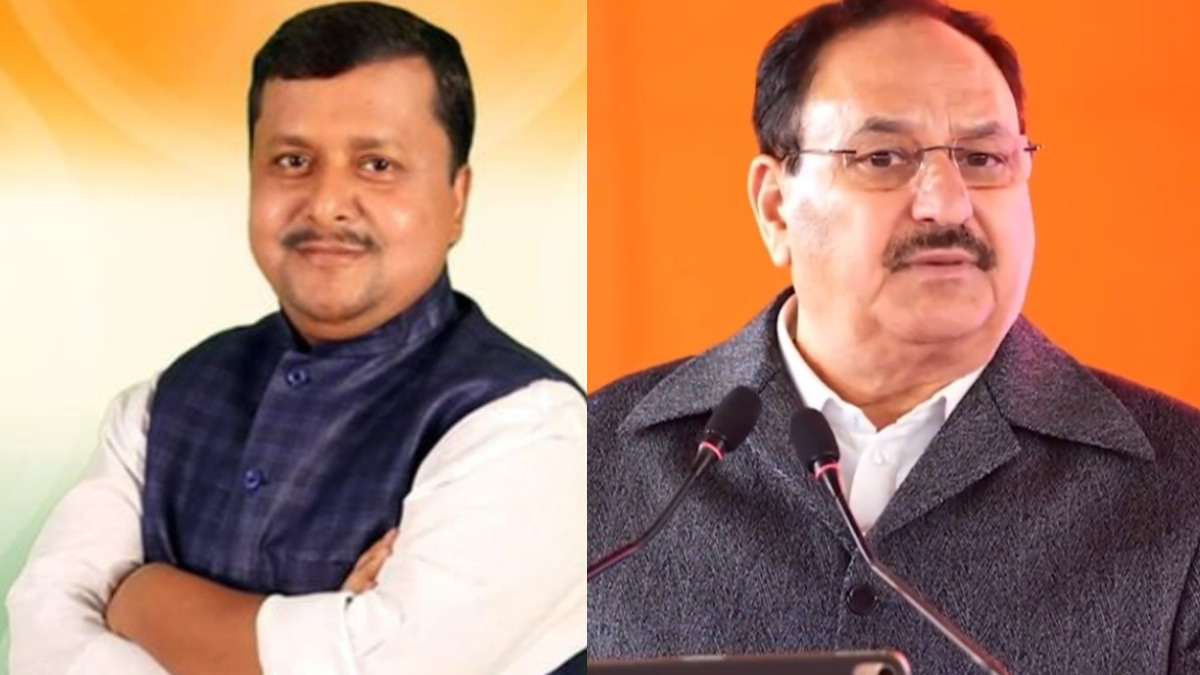
"After the movement that took place at Jantar Mantar on 21 August, cordial discussions were held," Nadda said in his post, and talks with Dubey, Chauhan and Pathak would continue. It was the first public indication by the government that such a conversation had taken place.
Reservation is still a sensitive issue in India today and it is a sensitive issue that people of India understand. Reservation policy has always tried to address social and educational disadvantages faced by communities through affirmative action in education, public employment and, in some cases, political representation. Calls for change have been voiced from various parts of society in the past few years.
The group behind the new protest is calling for a new approach: economic criteria. Those who have been active in it argue that financial circumstances should be taken into account when giving reservation benefits. But that would require extensive debate in the legal, constitutional and social context before any major change in policy could be made.
The report quoted a senior BJP leader saying the government is keen to avoid prolonged unrest like the Cockroach Janata Party led by the CJP. That agitation continued for more than 30 days and became more tense after police moved against protesters who tried to march towards Parliament on July 20.
The government’s response to the growing group seems to be an attempt at dialogue before the demonstration devolves into a prolonged confrontation. And it also makes clear that the administration is willing to keep up dialogue with the new protest groups, whose demands could make waves.
For the protesters, the meeting with Nadda is an opportunity to put their concerns directly before a senior member of the Union government. Dubey said the conversation was positive and the discussion was an important step forward toward dialogue.
After the meeting, Dubey said the delegation had briefly discussed the August 21 demonstration with Nadda. He said he hopes that the group would have a chance to bring the two sides together for a better decision in society as a whole and for them to be in a fair and positive direction.
No specific policy commitment has been announced by the government so far. Nadda only said that there would be further discussions. The next round of talks may be crucial to determine whether the government will take any serious steps to respond to the group’s demands and whether it will be a consultation exercise or not.
That is likely to be the issue that gets people’s attention as any fundamental change in India’s reservation system would have a big impact on many communities and could spark a larger national debate. For now the government and the protesters appear to have chosen dialogue and both sides will meet again in the coming days.