India is celebrating 12 years of the Pradhan Mantri Jan Dhan Yojana (PMJDY), one of the country’s biggest financial inclusion programs and now thousands of households whose banking services are not covered are accessing it. Modi is on the job to introduce affordable banking for people with less money (especially those from low-income and underserved communities) to the country as well as the people that are poor.
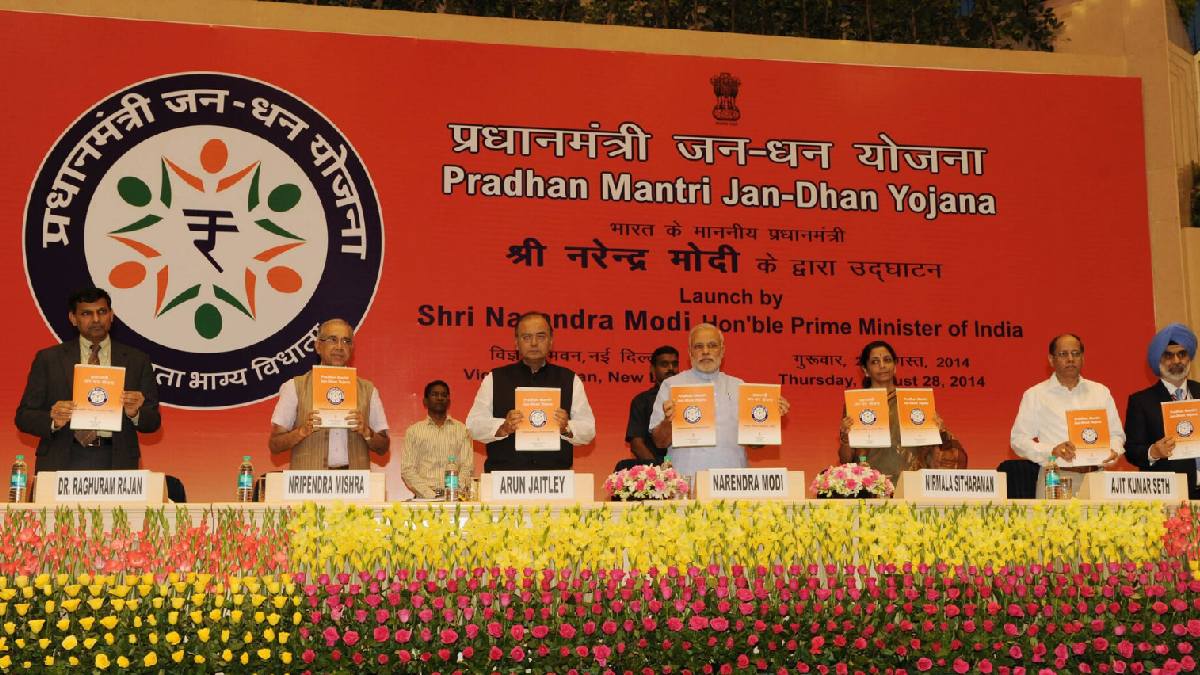
The programme has been expanded considerably in the last 12 years with more than 59 crore bank accounts opened under the scheme. The scale of the programme is a testament to the change happening in India's banking sector to date where access to a formal bank account is now a key part of getting government help, making digital payments and maintaining household finances.
Women are the main beneficiaries of the financial inclusion drive. According to the latest figures, women account for about 56 percent of the Jan Dhan accounts, or nearly 33 crore. Women are a core factor in the programme as they have to have a bank account for savings, government benefits and everyday financial transactions.
The geographical spread of the scheme has also been a key factor. The majority of Jan Dhan accounts are located in rural and semi-urban areas. The programme has been able to extend formal banking services outside of big cities and urban areas. For people living in villages and small towns, banking access has brought essential financial services closer to their homes.
Not only has the number of accounts grown but the deposits under the Jan Dhan program have also increased. As of mid-August 2026, deposits in Jan Dhan accounts have reached ₹3.17 lakh crore. The average balance in these accounts has increased by a factor of 3.4, meaning that the accounts are now being used as active financial instruments instead of being left idle.
The Jan Dhan ecosystem is associated with government welfare programmes and so a major part of it is the bank accounts. The bank accounts are a direct channel through which the government can offer eligible recipients government assistance. Direct Benefit Transfers associated with the broader financial inclusion infrastructure have helped to transfer an estimated ₹53 lakh crore, reducing the need for intermediaries and allowing payment to go to the beneficiary more directly.
The programme has also helped to expand digital financial services. RuPay debit cards issued under Jan Dhan provided account holders with electronic payment facilities and insurance benefits. Around 41.29 crore RuPay card holders are covered under the scheme, strengthening the link between basic banking access and India's rapidly expanding digital payments ecosystem.
The transformation is more and more evident in daily life. Digital payments have become increasingly common across the country from local street vendors and local shopkeepers to rural households and small businesses. More access to bank accounts, debit cards and digital payment infrastructure has brought previously cash-dependent segments of the population into the formal financial system.
Jan Dhan Yojana has also become the basis for a number of other financial inclusion initiatives. With a bank account, individuals can access savings tools, insurance programmes, pension schemes, credit services and government-linked financial programmes in a single place. Thus, it’s a lot more likely to create a bigger financial ecosystem around the basic bank account than to treat account opening as an end in itself.
The emphasis on women and rural communities is particularly significant given that financial exclusion has historically affected those groups disproportionately. More formal banking can also give households more secure savings and benefits and participation in the digital economy. And for women, ownership of individual accounts can increase their involvement in household financial decisions and economic activities.
12 years ago, the Pradhan Mantri Jan Dhan Yojana set out to bring banking within the reach of every Indian.
— Nitin Nabin (@NitinNabin) August 28, 2026
Under the leadership of Hon’ble Prime Minister Shri @narendramodi Ji, the initiative has brought crores of people who were once outside the formal banking system into the… pic.twitter.com/8QT9ZiyVlr
I believe that the 12-year milestone is far more than millions of bank accounts. It is part of a gradual awakening of a large share of India's population to the formal financial world. The combination of bank accounts, direct transfers, RuPay cards and digital payment infrastructure has paved the way for economic participation.
With India moving towards a digitally interconnected economy, financial inclusion will be of great importance. Jan Dhan Yojana shows how big banking access can be a big part of welfare delivery, digital transactions and financial empowerment in the home.
With more than 59 crore accounts and deposits crossing ₹3 lakh crore, the programme goes into its 13th year as a key pillar of India’s financial inclusion architecture. Its ongoing challenge will be to keep these accounts active and to help the account holders move beyond basic banking access to meaningful participation in savings, credit, insurance, pensions and other formal financial services.