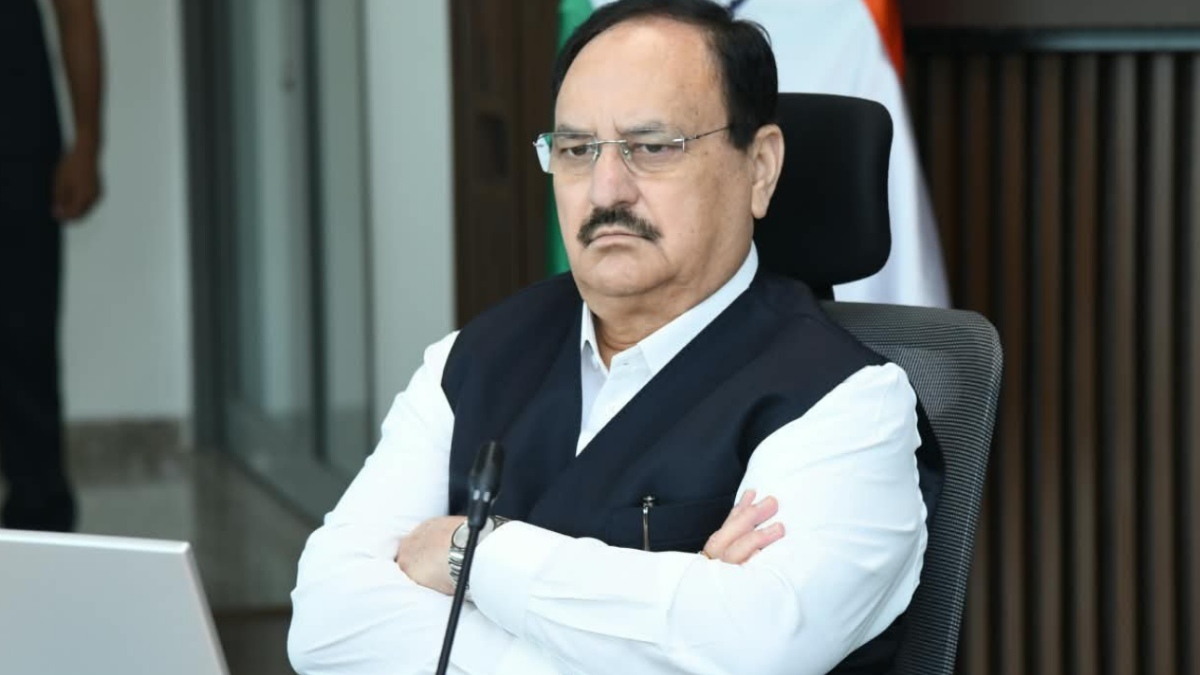
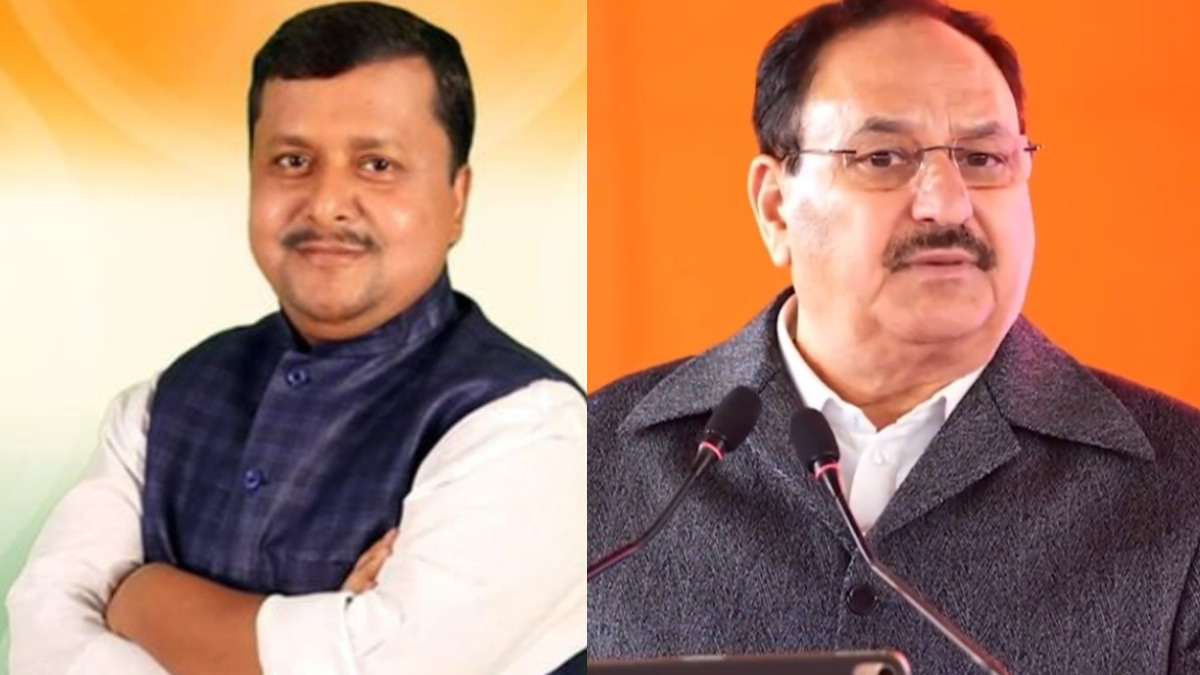
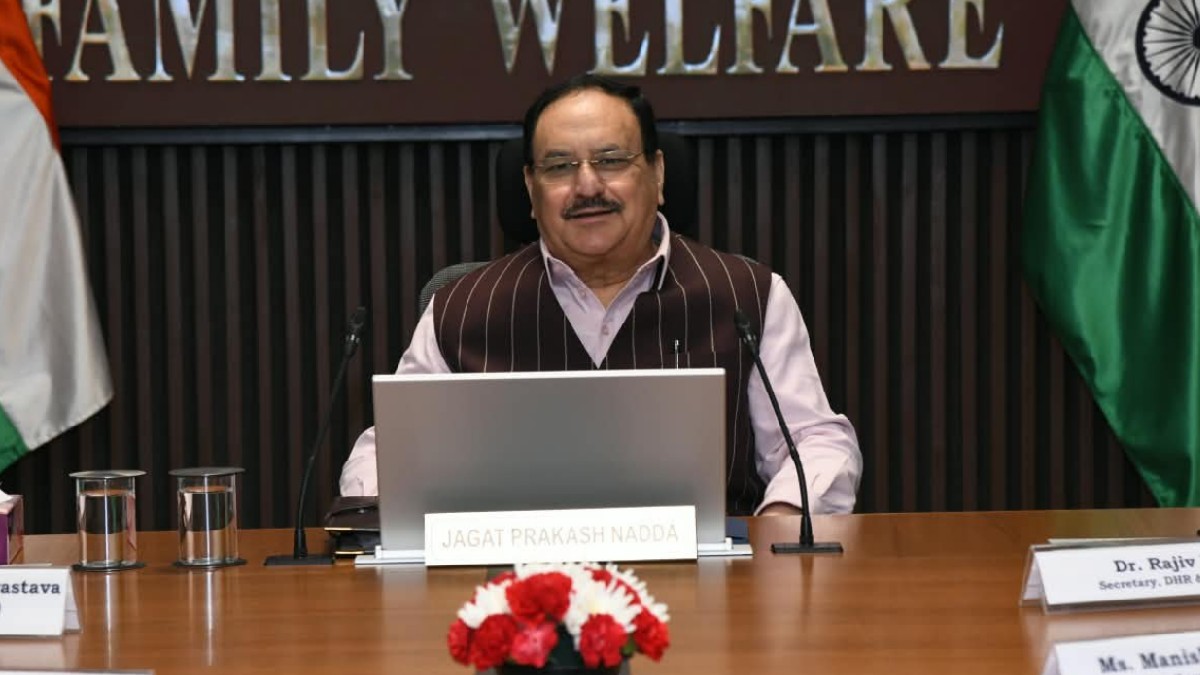
BJP National President JP Nadda has extended an open invitation to representatives of the CJP to meet them in his office or his official residence. During the protests and political unrest, BJP leadership is ready to sit down and talk to them, he said.

JP Nadda said of this matter: "We are ready to meet CJP representatives for talks; they can come to my office or residence." The party believes dialogue is a good way to resolve differences and find common ground, he said.
JP NADDA : We are ready to meet CJP representatives for talks; they can come to my office or residence. pic.twitter.com/9Gy1fjI8eW
— News Algebra (@NewsAlgebraIND) July 23, 2026
The invitation is being seen as a striking political gesture at a time when there is still a lot of tension and issues with CJP. Nadda had said he would take the representatives to his office or residence and that he would speak directly to them for a reason.
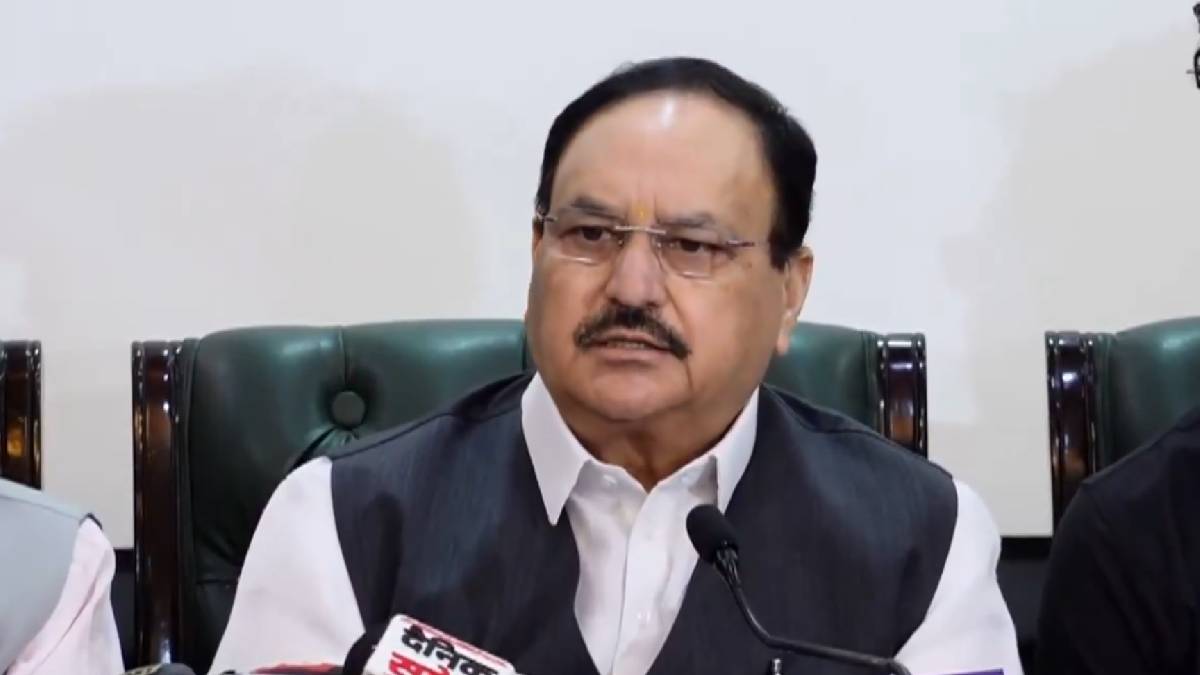
Political observers say that as a democrat, the invitation is also an invitation to dialogue. It is in political leaders’ hands to be able to better understand what is going on, clarify positions and find solutions that can benefit all the stakeholders.
As the BJP has not announced the agenda of these discussions, it would appear that there will be a focus on the CJP's points and demands. The representatives will be in direct contact with the BJP president, and the party leadership might tell the people who are relevant to the issues at hand.
JP Nadda's comment also shows that the BJP is not only active in maintaining channels of communication with different groups and organisations but is in fact a much larger party with a national interest in such a view. Parties who have been involved in discussions and consultations have always stressed that issues can never be resolved in a vacuum and they need to be resolved peacefully and democratically.
The invitation is especially timely given that political activity in the country has intensified in the last few months as some student groups, civil society organisations and political parties have come to the fore. If Nadda would be willing to talk to us all, then both sides would be able to ease tension and the atmosphere would be conducive to a constructive dialogue.
The invitation for the CJP is a way that it can directly communicate its concerns to the top leadership of the BJP. If it is accepted, the meeting would allow both sides to express views and seek clarification and also to find areas of agreement. There is no guarantee that talks will ultimately be at all effective in overcoming any of the issues, but dialogue is considered to be the first step towards dialogue.
Political analysts say that direct communication between those in power and those in the stakeholder groups is often the way to prevent misunderstanding and also to enable transparency. Open communication also fosters trust in the face of conflict—and conflict is a thing that we have all been through as long as we are at odds on things.
The development has aroused the interest of political pundits and the media, and many wait for the CJP's response to the invitation to be made. What the representatives will do to accept the offer and include themselves in these discussions will be the next step of the discussions.
It is the BJP leadership that has maintained that democratic engagement and not confrontation should take priority over confrontation. JP Nadda has made it clear that the party is open to listening and engaging with CJP representatives to meet at his office or residence in public and that the CJP representatives are there as well by inviting them to meet him for a meeting.
The proposed talks are now in place and can be a platform for dialogue between the BJP and the CJP. And the outcome of those talks will surely be important since such discussions will be heard in the future, and we might be on the verge of a more peaceful resolution of public issues through conversations, not conflict.
It is still to be seen whether there will be a meeting, but Nadda’s invitation has already added to the political conversation. It is a reminder that dialogue is still a pillar of India’s democracy and it is a venue for different views to come together and be heard and discussed rationally and peacefully.