The Indian government has enacted a new code for official appearances to make the full version of the patriotic song Vande Mataram mandatory at official celebrations. These rules have been issued by the Home Ministry, requiring the complete version which lasts 3 minutes 10 seconds to be played or sung at ceremonies such as flag unfurlings, speeches by the President, addresses by governors, and other state events. Audiences are intended to stand at attention and show respect in mass singing.
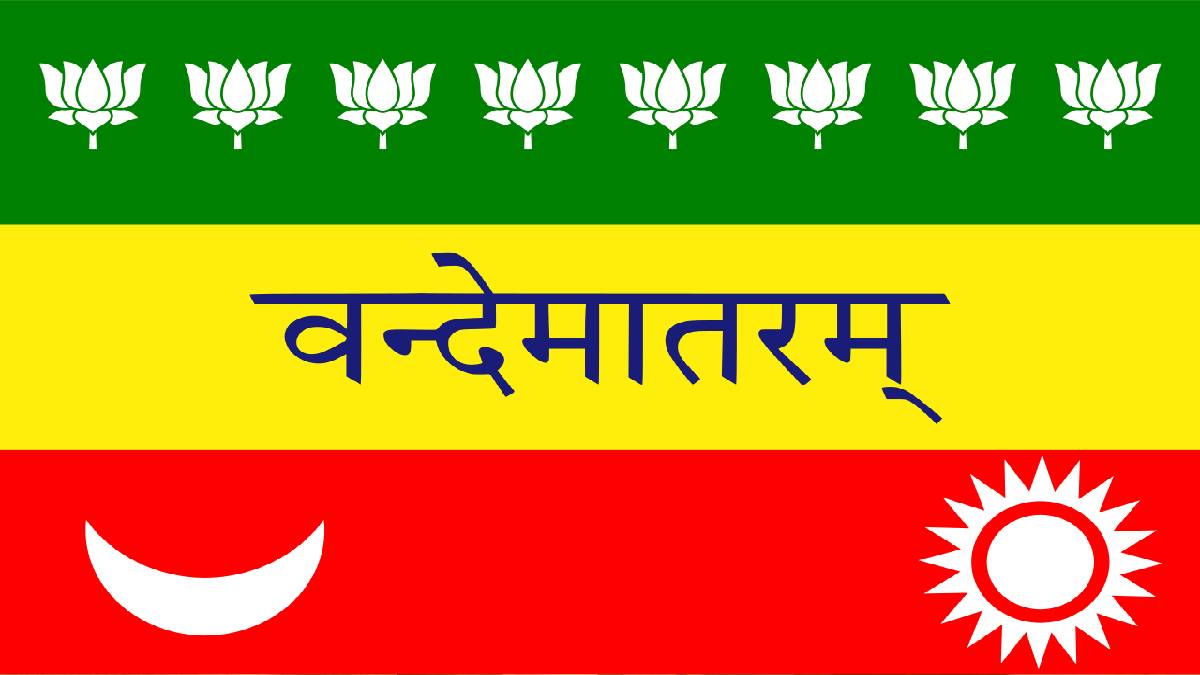
Vande Mataram, written by Bankim Chandra Chatterjee in the 1870s, has long been a national pride symbol of India. Only the first two stanzas were commonly used at public gatherings for decades. Muslim leaders objected with religious reasons to the later verses, and this tradition began in the 1930s. Nonetheless, the song continued to be a potent symbol of culture and politics, frequently sung during the freedom movement.
The most recent guidance mandates a performance of the song in its entirety for formal events. The Home Ministry said the aim is "to promote uniformity and respect for national symbols." The same guidelines also stipulate that if both the national anthem and Vande Mataram are used within the same program, Vande Mataram should be played first, followed by the anthem. It provides a common protocol for the song that resembles that for the national anthem.
The announcement comes at the 150th anniversary of Vande Mataram. The government is trying to draw awareness to the song’s historical significance and cement its place within India’s cultural history by mandating the full version. The action is considered a way to honor the song’s legacy so that future generations will hear it in its entirety.
It was part of a government move to reinforce a central vision of a more united nation, shaped by its shared traditions. By chanting the song en masse and standing at attention, people will be bound and respected. While the change could reignite earlier arguments about religious sensitivities, it also reflects the need to have Vande Mataram come across as a national symbol of patriotism.

India’s implementation of the full version of Vande Mataram at official celebrations represents important progress toward developing standard guidelines in the country. And by respecting the song and adhering to the process similar to the national anthem, the government reinforces the song’s cultural and historic significance. The injunction thus upholds not only the 150‑year history of the song, but also its status as a universal symbol of India’s togetherness and pride.