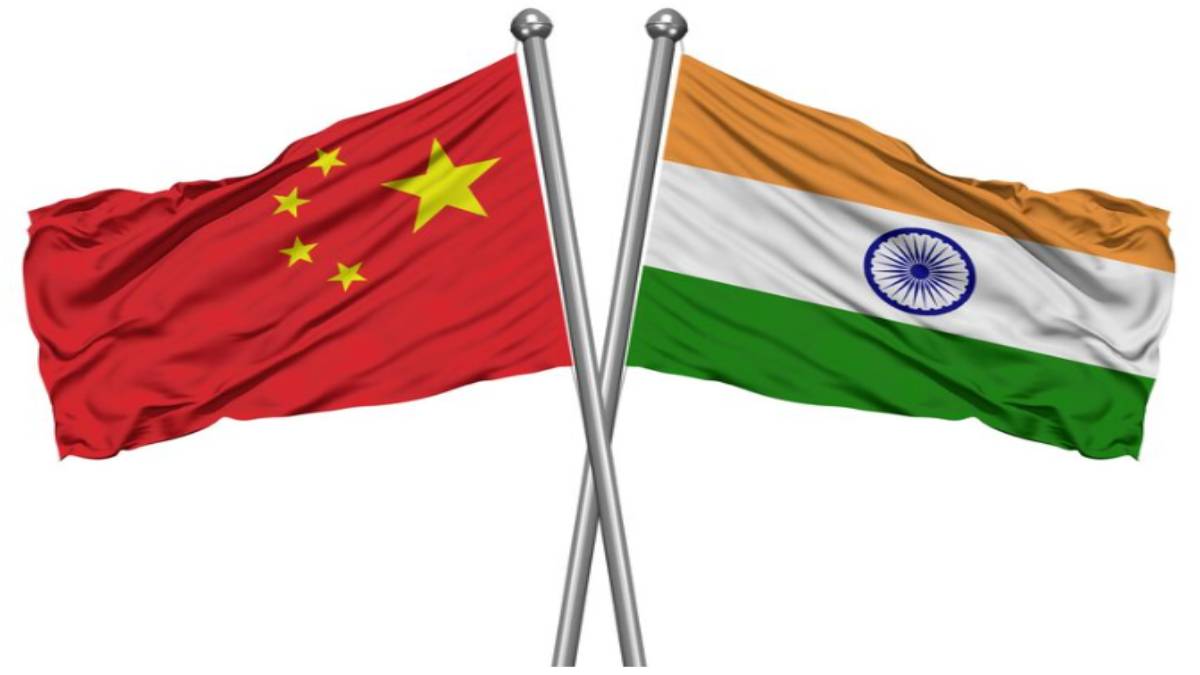
India’s discovery of 63.5 lakh tonnes of rare earth elements (REEs) in Karnataka marks one of the biggest discoveries in recent history that could shake the global economy and strategic future of an entire nation. Rare earths are a group of 17 metals that are crucial to contemporary technologies including smartphones, electric vehicles, satellites and defense systems. China has controlled nearly 70 percent of production of all these minerals, leaving it globally the kingpin for decades. This newly discovered material gives India the opportunity to strengthen its position in global supply chains and reduce dependence on imports.
Rare earth elements have significance because, for modern science and industry, they need to be found. They are utilized in electronics such as laptops and semiconductors, in clean energy technologies like wind turbines and solar panels, and in defense equipment including fighter jets and missile systems. Rare earths are even used in devices such as MRI machines. Without them, the shift to clean energy and advanced technology would be very hard. India's discovery comes at a critical time when countries race to protect these minerals for economic growth as well as security.
The Karnataka reserve is estimated at 6.35 million tonnes, one of the largest deposits found in all. Geological surveys show the site contains elements such as neodymium, praseodymium and dysprosium -- all are indispensable for permanent magnets used in electric vehicle motors and defense applications. People say that if India were to find this rare earth at all it might position itself in the ranking among rare earth nations of the world. It may also lead to various new opportunities for trade and industrial development.
Strategically speaking, the outcome of finding rare earths is an enormous advance. First of all, it may mean that India is able to come to use its expertise in rare earths differently from those used under Chinese control. That would offer a fresh leaf to India's life, enabling it to become less dependent on China--a former master of rare earths for trade and so much like China, in recent years. Secondly, it supports India’s clean energy goals — notably as it works to achieve net-zero emissions by 2070. Third, it strengthens domestic defense capabilities by providing it with a stable source of minerals (critical). Finally, it offers an economic advantage through job creation gains, investment prospects, and a greater role for India in global trade networks.
Nonetheless, the problems remain. Extracting rare earths is tough science and technology wise. Processing these metals, if not handled carefully, can also hurt the environment. To maximize the opportunity of this discovery, India must develop modern refining facilities and engage in sustainable mining practices. Another reason is global competition, as countries such as the United States, Japan and members of the European Union are looking for alternatives to China’s monopoly.

This discovery is timely. With the world moving toward renewable energy and more extensive defense systems, demand for rare earths is likely to explode. India’s newly created reserve presents it as a potential strategic partner in global supply chains. The result would be improved trade agreements and arrangements with other nations, and India’s sway over the world.
In summary, 63.5 lakh tonnes of rare earth elements in Karnataka represent not just a mineral boom. It is a strategic advance that fortifies India’s move to clean energy, defense self-reliance and global influence in key technologies. But the find could reshape India’s economic and geopolitical future, even if it does not offer a panacea, just as extraction and environmental management continue to pose challenges. This rare earth breakthrough will be viewed as a milestone in India’s path to technological independence and global impact.