Manali, a hill station in Himachal Pradesh, has always appealed to tourists for the mountains, snow, and beautiful scenery. But something strange has been going on lately. People are sleeping in their vehicles under the cold spell, weather or climate change. Instagram and social network reels demonstrate long lines of vehicles along the streets as families and groups opt to hold up in their cars rather than staying in safe shelters at the intersection of those roads. Which begs an important question: why are people putting their lives and safety at risk just to be “part of it”?
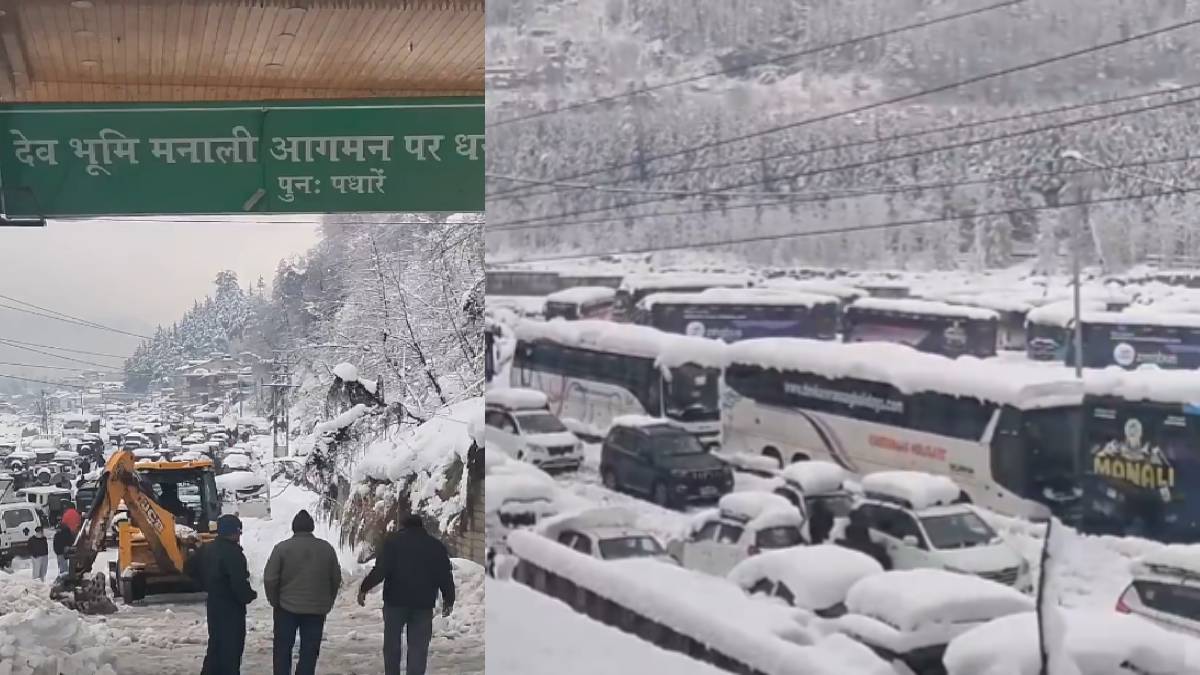
The winter has been heavy in Manali, heavy to freezing. Roads are blocked, hotels are occupied and the weather is hazardous. But thousands of people instead don’t stay home or not travel, and instead rush to the town. Many of them sleep in vehicles as accommodation isn’t available or too expensive. They can’t even move without being too scared. Videos from the region show cars covered with snow, engines running all night and people huddled under blankets. Such extreme weather had previously driven people to avoid unnecessary travel altogether. Families stayed indoors, and tourists made travel planning decisions only when good conditions for travel were safe. But now the trend has changed. Everyone is caught up in the moment, wants to capture it, publish it on the internet and demonstrate that they were there. And we really need to make the leap here.”
The big driver of this behaviour is social media. Instagram reels, TikTok-style videos and short clips create a culture of “fear of missing out” (FOMO) The snow is heavy on everyone's face, or they see others dancing in the streets with their hands curled inside their chests, or drink tea while they are frozen--and they want to copy them. And the attitude is simple: if you don’t post it, it didn’t happen. “We were there” mentality is causing people to take unnecessary risks. Rather than thinking about safety, they think of likes, shares, comments. Cars are not designed to be overnight accommodations under subzero temperatures. Engines operating for hours can lead to damage, loss of fuel and even poisoning of the lungs with carbon monoxide. But they get ignored in the race to produce content.
When temperatures are too cool, spending the night in cars is more often than not uncomfortable and dangerous.
- Health risks: Hypothermia, frostbite and breathing problems have proved popular in freezing conditions.
- Repair car: Use of heaters and engines constantly can damage a car from burning and gas.
- Inaccidents: Slippery roads and blocked highways are the cause of accidents.
- Environmental impact: Idling cars release pollution to an already fragile mountain ecosystem.
Despite all these high-density risks, crowds keep growing. It’s a task of the local administration to traffic management, snow clearing, traffic calming, snow clearing and safety.

This is part of a larger cultural shift in India as well. Travel is no longer about respite, or connecting with family; it’s much more about content. All the time, people are trying to make their experiences public online, despite the hazardous nature of those experiences. The notion of enjoying nature silently has been supplanted by the desire to make every moment chronicled. In much of this sense, that is nothing but pure FOMO syndrome.” FOMO: People worry about being left out of the trend. They want to show that they too had a hand in the “snowfall story.” Sadly, this mindset all too easily dismisses simple common sense.
Who is responsible for this? Is it the tourists themselves who decide to risk their lives? Or is it the platforms that socialize people with such behavior? Some complain about the social media-friendly platforms that create a breeding ground for it. Some say banning Instagram reels would halve the crowd; others tell you that simply banning them would cut the crowd by at least half.
The picture of people in cars in Manali at night is not just a funny and entertaining story, it also serves as a cautionary story. The message is one of the dangers we should never take lightly. It reveals just how social media can influence decisions, and sometimes the result can be harmful.” FOMO has people fleeing from danger, health and even common sense. Manali looks shouldn’t be savored uncritically. Tourism should not be a life or land bet. In tandem with that embrace of digital culture in India, it must learn to temper excitement with caution. Otherwise the competition for reels and likes could also still leave lives at risk in the name of “being part of it.”