Private Retailer Passes Crude Softening Directly to Motorists
New Delhi, India, August 8: After weeks of extreme market uncertainty caused by geopolitical conflict in the Middle East, Indian motorists finally have a solid reason to smile at the pumps.
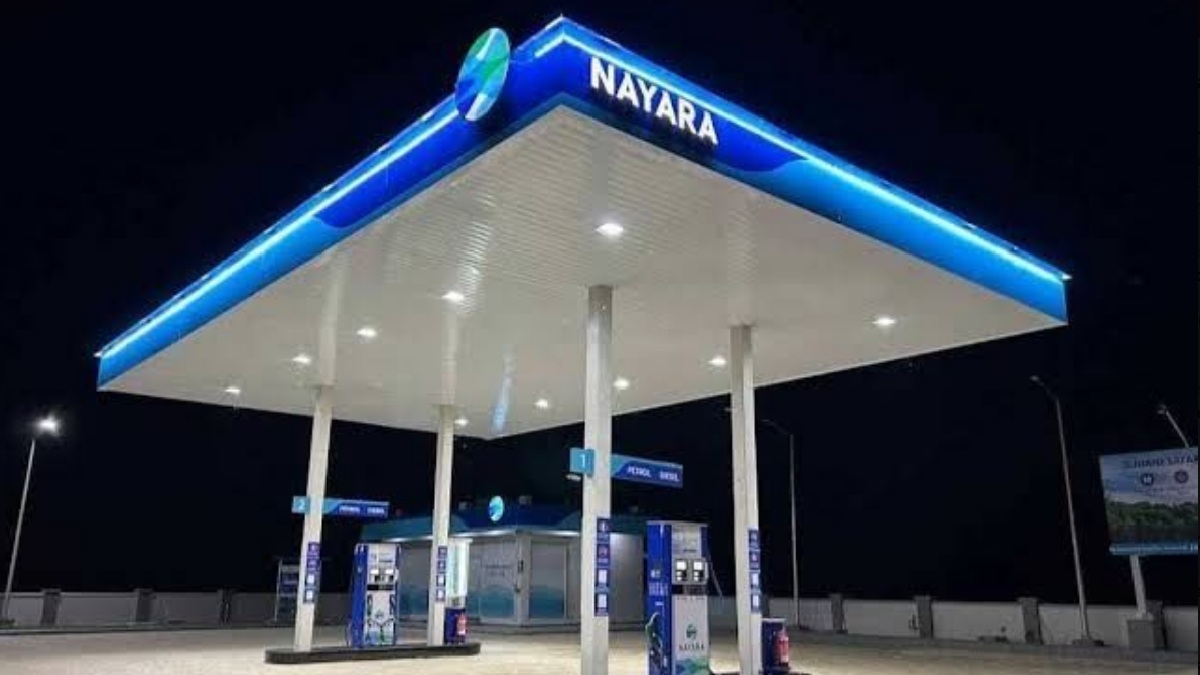
Private fuel retailing giant Nayara Energy has officially cut petrol prices by ₹5 per litre and diesel prices by ₹3 per litre across its vast domestic retail network. On July 1 the price cuts are in full force as the global oil markets are cooling on a fast track.
The strategic move makes Nayara the first major domestic retailer to launch a broad price cut since international crude benchmarks started falling in price.
But...
| Fuel type | Price reduction (per litre) | Instant savings (40 litre Refill) |
| Fuel Type | Price Reduction (per litre) | Instant Savings (40-Litre Refill) |
| Petrol | ₹5.00 | ₹200 Less |
| Diesel | ₹3.00 | ₹120 Less |
Note on pricing: The final price paid at the dispenser will vary from state to state based on local Value-Added Tax (VAT) and freight rules.
Why Have International Fuel Prices Come Down?
The pricing relief stems directly from a stable global supply chain. Crude oil had soared in recent months as fighting in the Middle East raised critical red flags over potential transit blockades in the Strait of Hormuz—a bottleneck through which a huge portion of global oil flows.
Those supply disruption fears had quickly disappeared. Brent crude is now down to $73 per barrel on July 1. With shipping lanes reopened and security levels in the maritime shipping lanes and global security concerns easing, international refiners are in a situation of much lower input costs. Nayara, which has a 20 million tonne per year output (10.6% of the world’s capacity) refinery in Vadinar in Gujarat, has had no time to make use of these reduced input costs and has already begun to pass these savings to consumers.
This is a 180-degree turn from March, when the company was forced to raise petrol by ₹5 and diesel by ₹3 after supply shockwaves during the height of the Iran crisis.
Will State-Owned Retailers Follow Suit?
The big question weighing on the industry now is whether state-run oil marketing giants like Indian Oil (IOC), Bharat Petroleum (BPCL) and Hindustan Petroleum (HPCL) will join the price-cut cycle.
So far public sector outlets have been at flat rates. For comparison, petrol in Delhi remains pinned at ₹102.12 per litre and diesel at ₹95.20 per litre at IOC pumps. State-run companies tend to look at long-term issues— rolling inventory deficits, state government fiscal policies and strategic reserves— in order to shift their retail numbers, as opposed to private nimble operations.
But market analysts say that if Brent crude remains close to a $73 price point for a long period of time, public competition will be under strong consumer pressure to match the downward revision of the private sector as well.