With only a few quarantine facilities at border points, Nepal has imposed restrictions on the import of Indian mangoes, citing high pesticide residues. The move has prompted some mango farmers in Uttar Pradesh to worry that if it continues, domestic markets will run out of juice and prices will drop drastically.
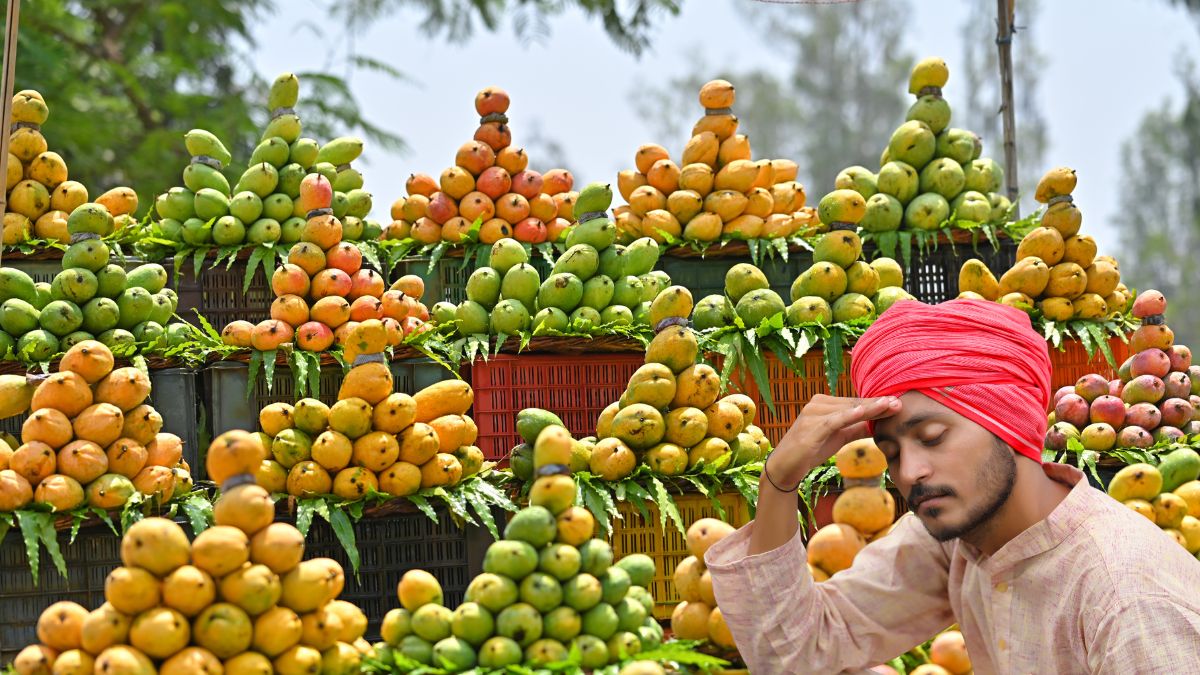
In Saharanpur, farmers and traders warned that the restriction would potentially severely affect farmers and traders who live in the region’s fertile areas for many of the Indian mangoes in the summer season. With Nepal an important market for Indian mangoes, the growers say the government needs to meet Nepalese authorities to resolve the problem in quick days. They say the sudden halt in exports could cause financial distress to thousands of cultivators without intervention and if anything it could lead to economic collapse for thousands of farmers and traders.
The restriction comes at the time when mango growers already face rising input costs and erratic weather patterns. Lack of supply and fewer export opportunities could further squeeze margins, traders say. And if prices tank, in the long run farmers will probably stop investing in mango cultivation in the future, they say.
Not all regions are worried, however. Farmers in Barabanki have played down the impact of Nepal’s decision and say their mangoes are sold in many international markets. Because they have diversified their export destinations, they have less reliance on one country and are still able to weather the storm of trade. It is that kind of resilience for agriculture which highlights the need for cross-border market relationships.
The experience, agriculture experts say, also underscores a requirement for tighter quality control and better infrastructure at border points. International norms of quality control will also help Indian mangoes to retain their popularity and avoid more restrictive measures in the future. “The government is required to intervene in trade disputes and protect farmers’ interests,” said one expert.
As a result of Nepal’s ban on Indian mango imports, the export system is vulnerable for growers that are heavily dependent on neighboring markets. Some regions could weather the disruption with their own variety of exports, but others have to suffer price drops and financial strain. In its wake, we have to ensure quality of goods, trade diplomacy, and access to markets to protect India’s mango industry.