The viral claim has been circulating on social media that constables without stars on their uniform cannot issue challans and take away vehicle keys. That is not entirely true, of course, because there is some truth to it and the Motor Vehicles Act and state traffic departments are not as clear as that.
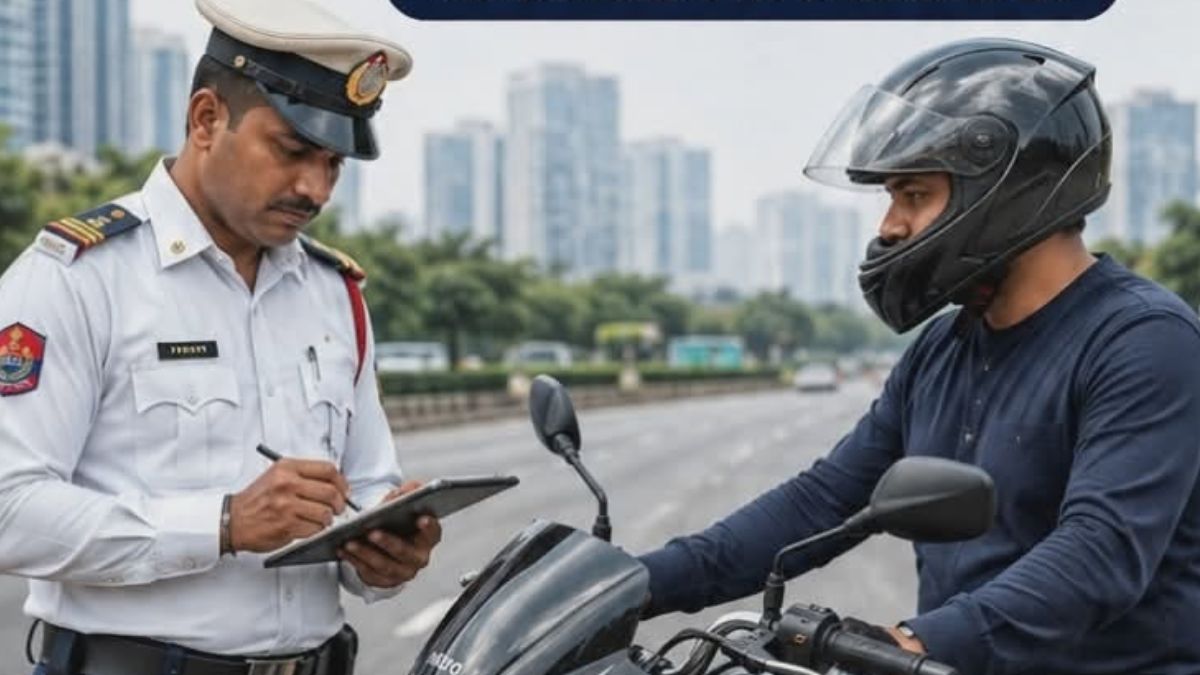
Under the law, only officers authorized by their respective state traffic authorities (usually Assistant Sub-Inspectors (ASI) and above) are allowed to issue challans. Constables are mostly responsible for the flow of traffic, stopping vehicles for checks and supporting senior officers. Unless they are specifically empowered by local rules, they cannot impose any fines.
This distinction is very important for us to see. A constable may stop your car and request documents but the actual issuance of a challan must be done by an officer of the appropriate rank. Misunderstandings of this rule also make for confusion and unnecessary confrontations between drivers and traffic officers.
Similarly important is the rule about keys of your car. No police officer, no matter how high the rank, can physically take your keys away or use intimidation methods. That would be misconduct and abuse of power. Citizens should be able to record such incidents and report them to the police and to the government if they are harassed.
Law enforcement has to balance discipline and citizens’ rights. Drivers are expected to be doing what’s legal and police officers should be enforcing the law within their authority. These are rules that help stop power abuse and make driving easier.
Finally, the viral claim is partly correct but oversimplified. Constables generally cannot give challans unless they are empowered by local law, and no officer can take the keys from a vehicle by force. The real rule is simple: Only authorized officers can fine motorists, and none may use intimidation. Citizens with knowledge of these rights can navigate the world of traffic enforcement in a manner that is legally and confidently acceptable.