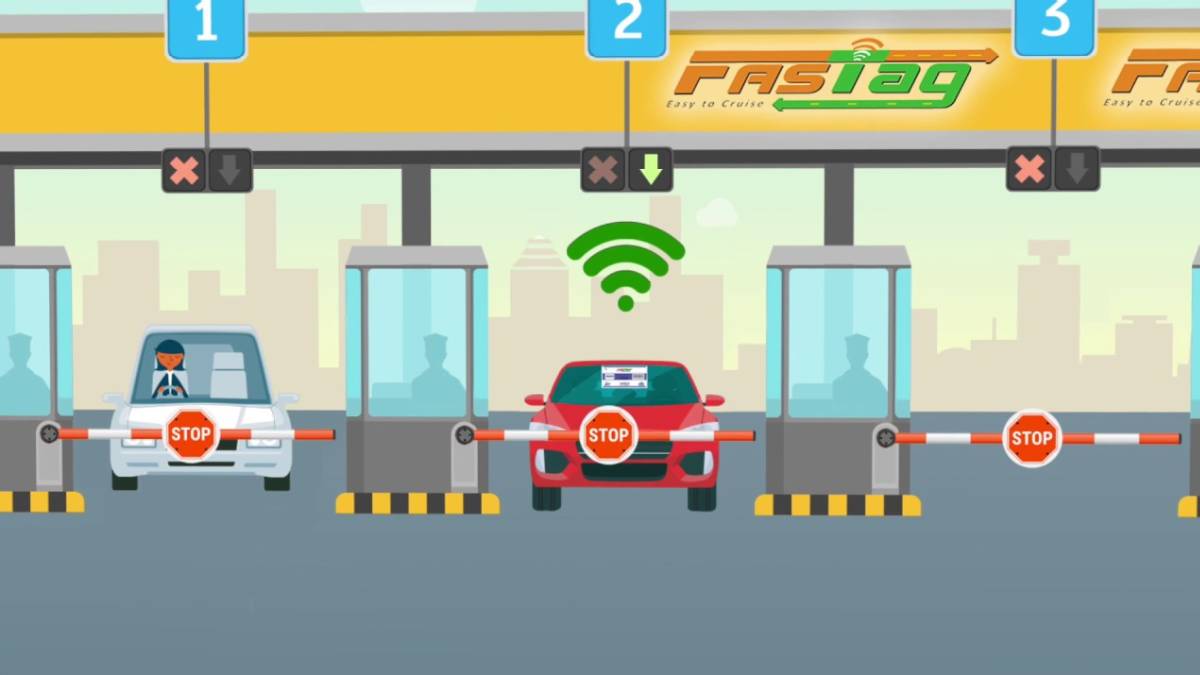
A shift has been announced by the National Highways Authority of India (NHAI) in the issuance process and activation of FASTags. New FASTags for cars, jeeps and vans will no longer go through the Know Your Vehicle (KYV) process. The move should make the process better, prevent bottlenecks and bring relief to millions of car owners who used to have difficulty after repeated validation. FASTag is part of the standard highway travel of India. It accepts toll payments automatically by placing a little tag on your windshield, making it unnecessary to pass by toll plazas. Not only does this save time but it also ensures less fuel consumption and less traffic. But the KYV requirement has made the activation process frustrating at times for users.
Car owners had to submit pictures of their car displaying the number plate and FASTag placement and registration certificate details. It was to prevent misuse and ensure toll collection the correct way but this resulted in delays, confusion. The new regulations seek to simplify the system into one with simplified NHAI. Automobile, Jeep, and van FASTags will receive new drivers from February 2026 without KYV checks after activation. As a result, once issued, a FASTag will begin to function without the need to submit other documents or perform repeat visits.
Similarly, for existing FASTags, KYV process will not be a pre-requisite condition, which will reduce unnecessary paperwork. The decision was a result of raising complaints by owners of vehicles. Many said they were required to turn over valid documents again after they submitted their documents, delaying their activation as a result. FASTags left in idle state for days on end, complicating highway travel. KYV is removed, allowing NHAI to deliver to the customers fast and easy in toll payments that won't bring many complications. The advantages are there for road users. This new system will save time; FASTags will function straight out of the gate.
Moreover, the paperwork will decrease since fewer documents and pictures will be needed. And most crucially, it will elevate the entire driving experience on the highways by removing congestion at toll plazas and freeing vehicles to move faster. The change should attract more usage to FASTag, fortifying India’s digital toll collection system even further. Of course, there are some risks to take heed of. There can be opportunities of mishandling linking, if verification is not done properly before activation without KYV. To be fair when it comes to resolving this NHAI must make pre‑activation checks strong enough to preclude fraud or abuse. It must, however, be explained to vehicle owners how the new rules operate from the start so that they grasp the procedure and are unable to be confused.
Transitions like this need to be made with clear communication to truly be effective. By and large, the withdrawal of KYV process is one of the steps in the right direction of improvement of India’s toll collection in India. That’s an indication of NHAI’s philosophy to make travel by highway more relaxed and user friendly. Through focusing on efficiency and eliminating unnecessary impediments this authority is making certain that technology genuinely serves the needs of the people. For vehicle owners, that means one less headache and a more seamless trip down India's highways as a result. We’re reminded, too, that even small policy changes make a big impact on everyday life, making travel smoother, faster and better. Its a positive thing.