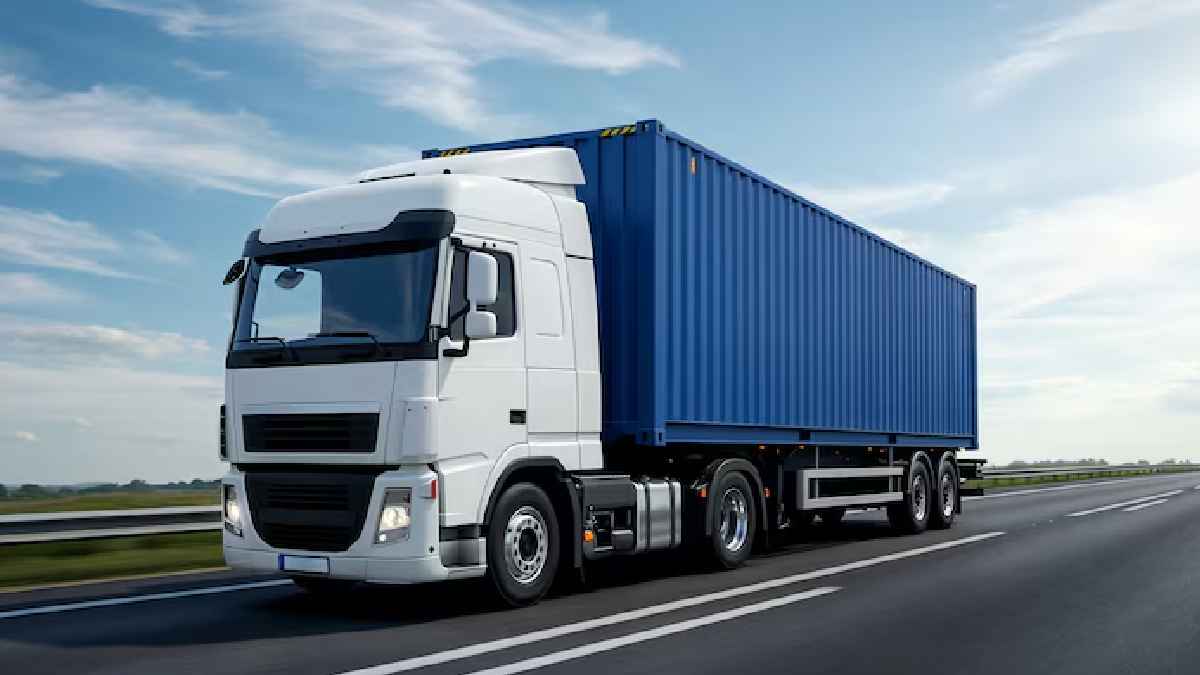
NHAI has introduced new measures to curb the number of stray animals in national highways and expressways, and curb road accidents. Agency heads of national highways will now be supposed to remove stray animals (e.g., cows, goats) on highways and expressways.
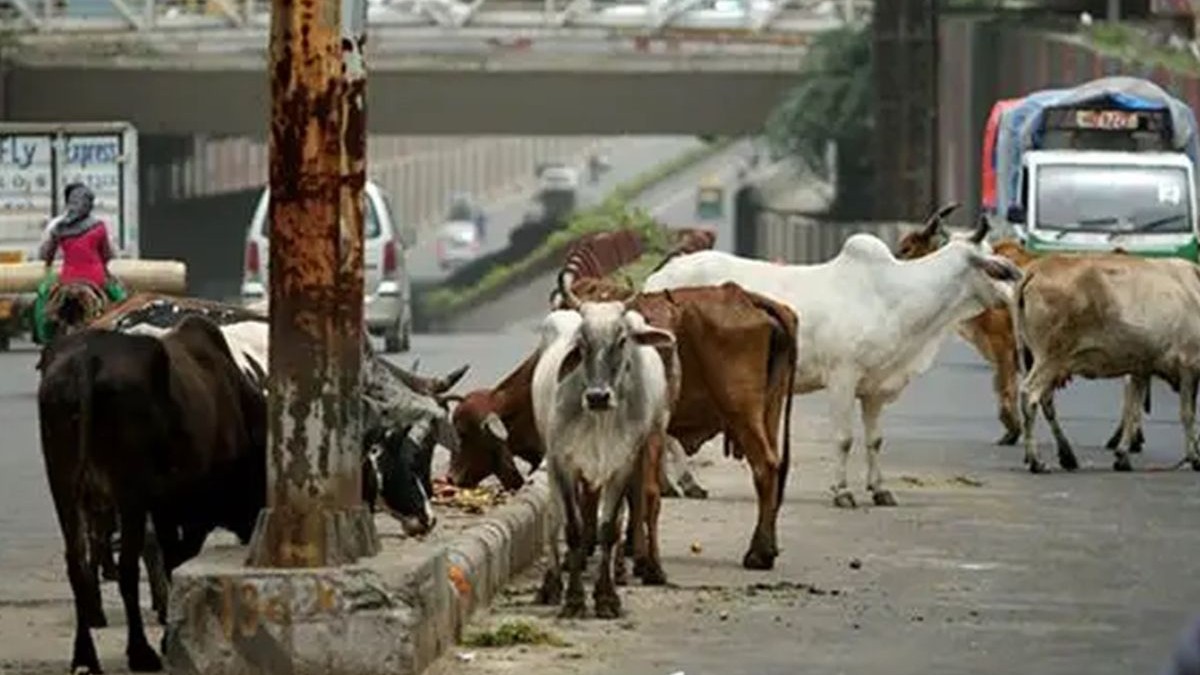
The move comes as people are worried about road accidents involving animals that can enter high-speed routes. Stray cattle and other animals can be quite dangerous for drivers, especially on expressways where cars have high speed, fast vehicles that can take off and there are a few seconds to react.
The new measures are meant to beef up highway and local governments’ ability to keep the road corridors free of stray animals.
Under the new guidelines, national highway agencies will take steps to remove stray animals found on national highways and expressways. Once animals are removed from the roads, they will be transported to designated shelters or animal pounds identified and maintained by state and local authorities.
The new framework has a key feature that NHAI will provide and carry animals from the highway to the shelters. This is so that removal can proceed without delays caused by an unknown transportation and cost.
The responsibility for the establishment and maintenance of animal shelters will be in the hands of state and local authorities and will likely be placed with state governments and government organizations. States and local bodies will need to determine where rescued or removed animals can be housed and where they can be safely housed in humane places. Such facilities will need to be kept in good order in order for animals taken from highways to be cared for and housed where they can be relocated.
Cattle owners also have more responsibility under the new rule. Owners who leave cattle on national highways or expressways can be fined and face other penalties. That provision seeks to deter the practice of leaving cattle unattended near busy road corridors, where the animals may escape onto carriageways and pose a hazard to motorists.
Stray cattle on roads have been a recurring road-safety issue in many parts of India. Animals entering highways can lead to sudden braking, swerving of the vehicle, and crashes of cars, buses, trucks, and two-wheelers. On high-speed expressways, even a short-lived obstruction can be very dangerous because vehicles may be driving too fast and cannot avoid it when an unexpected obstacle may be presented.
The new NHAI approach is to divide responsibilities between highway agencies and state or local authorities. Although NHAI and other highway agencies will be responsible for identifying and removing animals from national highways and arranging transportation, state administrations and local bodies will have the responsibility to provide and maintain shelters.
The framework also stresses animal owners’ responsibility. By imposing fines and penalties for cattle abandonment, authorities are dealing with the problem at its source rather than expecting highway agencies to take animals off the road at a certain point.
Effective implementation will require coordination between several agencies. Highway officials, state governments, municipal departments, animal shelters, and enforcement authorities will have to work together to find animals, safely remove them, transport them, and place them safely in the right places. Regular monitoring of vulnerable highway stretches could also help authorities respond faster when stray animals are reported.
The road safety of the road users is even better when the drivers are able to take care of the animals. Animals are removed from busy highways and expressways so that these can be removed from high-speed corridors as well and drivers can be driving in a safer manner. That may also raise cattle owners’ consciousness about leaving animals close to major roads.
🚨 NHAI's new rules on stray animals.
— Indian Tech & Infra (@IndianTechGuide) September 18, 2026
- National highway agencies will remove stray animals from all national highways and expressways.
- Owners who abandon cattle on highways and expressways will face fines and penalties.
- NHAI will arrange and bear the cost of transporting… pic.twitter.com/uGhooUbDXq
The new rules are intended to address both the immediate road-safety risk and the responsibility of animal owners. With NHAI paying transportation costs and state and local authorities responsible for keeping shelters open, the system has a much clearer division of work.
The implementation of the guidelines will depend on enforcement, availability of adequate shelters, and cooperation with highway and local authorities. The penalties for owners and the establishment of a system of animal removal could be essential in order to make India’s national highways and expressways safer for road users while ensuring that stray animals are handled in designated facilities.