New facilities for public toilets are being constructed at toll plazas across India.
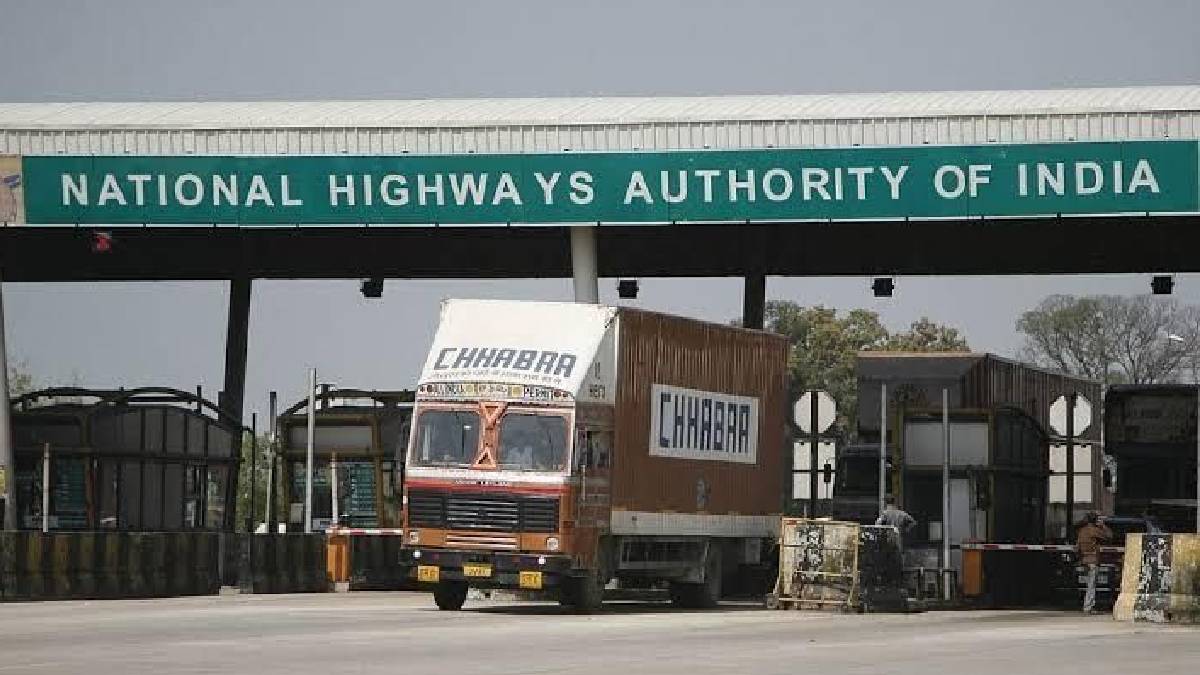
The initiative is aimed at improving the overall experience of people travelling on national highways by providing cleaner, safer and more accessible sanitation facilities at important road locations.
Toll plazas are among the most frequently used points on India's highway network. They are visited by private vehicle owners, bus passengers, commercial drivers, transport workers and long-distance travellers every day.
Despite the immense amount of highways and expressways, clean public toilets are still very much a concern for many road users. Clean sanitary facilities are especially important for women, children, senior citizens, people with disabilities and people who travel a long distance.
The NHAI initiative aims to fill that gap by building better toilet facilities at toll plazas and enhancing the public facilities along national highways.
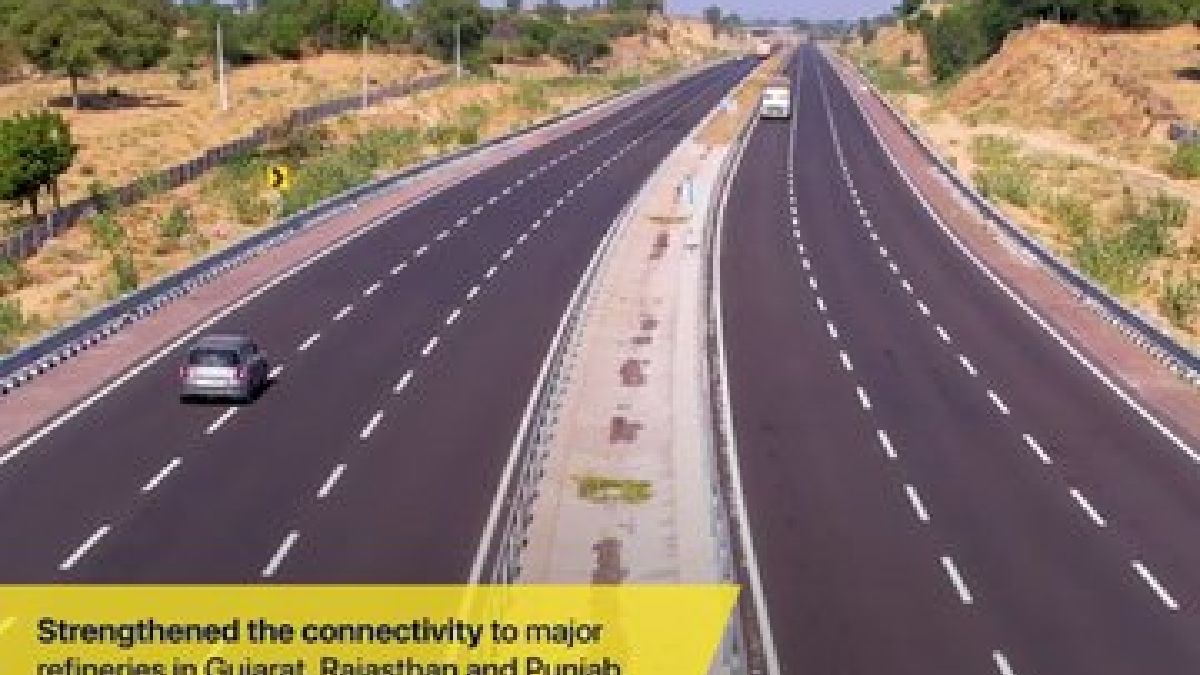
Cleanliness, hygiene, safety and regular maintenance are expected to be part of the plan. Modern toilets may also have lighting, adequate water supply, ventilation and facilities for different categories of users.
The initiative would help to make highway travel a lot easier for families as well as people travelling long distances.
India has invested in road infrastructure over the past years. Highways, expressways, bridges and road corridors have improved connectivity between cities, towns and rural areas.
However, the quality of a highway journey is not only based on the surface and travel time, but also on the availability of essential public services.
Clean toilets, drinking water, rest areas, food outlets, emergency assistance and safe parking facilities are all part of our highway ecosystem.
Public toilets at toll plazas could help ensure that travellers have access to sanitation facilities at regular points along major road corridors.
And this initiative is a reflection of the general environment of cleanliness and public hygiene.
Public toilets need to be cleaned regularly, water supply must be reliable, waste disposal must be effective, and monitoring must be done. But the long-term success of the programme will depend on whether the facilities are properly managed after construction.
Poor maintenance would reduce the usefulness of public toilets even when modern infrastructure is available.
I would therefore expect a focus on world-class facilities to include not only construction but also operational and maintenance standards.
Public health and traveller comfort are directly impacted by the availability of clean toilets.
Long-distance truck drivers and commercial transport workers can find sanitation facilities that can greatly improve working conditions during long journeys.
Women travellers need safe and hygienic toilets. The facilities may also be designed to improve accessibility for senior citizens and persons with disabilities.
The initiative could contribute to a more inclusive and traveller-friendly highway environment.
The NHAI is responsible for the development and management of a large portion of India’s national highway network.
With more traffic and better road connectivity, the demand for highway facilities is expected to increase.
The new approach may help in the coordination of highway authorities, toll operators, local agencies and private service providers.
Toll plazas are strategically situated and can be convenient points for providing public services to road users.
Clean toilets in these places would reduce the need for travellers to look for facilities in nearby towns or commercial areas.
It might also help discourage unsafe or unhygienic practices along highways.
The initiative will support the government’s larger objectives of better public infrastructure, cleanliness and better road-user services.
The development of world-class public toilets could also improve the perception of India’s highway network among domestic and international travellers.
As the country keeps building its road infrastructure, the focus is gradually moving beyond road construction towards improving the complete travel experience.
Public facilities such as highways can be made much easier and more comfortable to use, supporting safer and more comfortable travel.
The success of the NHAI initiative will hinge on effective implementation, consistent maintenance and regular monitoring.
If the facilities are clean, functional and accessible throughout the day, travellers will benefit the most.
This initiative represents a step towards creating a more user-friendly national highway system in which essential public services are available alongside high-quality road infrastructure.
If toll plazas can have more sanitary facilities, then road users in India will be able to enjoy cleaner and more comfortable trips on the expanding highway network. Public health and traveller comfort can be directly affected by the availability of clean toilets.
For long-distance truck drivers and commercial transport workers, good sanitation facilities can improve working conditions during long trips.
Women travellers require safe and hygienic toilets. The facilities may also be designed to improve accessibility for senior citizens and persons with disabilities.
The initiative could contribute to a more inclusive and traveller-friendly highway environment.
The NHAI is responsible for the development and management of a large part of India’s national highway network.
As traffic volumes increase and road connectivity expands, the demand for better highway facilities will only grow.
The new initiative could work to improve coordination of highway agencies, toll operators, local agencies and private service providers; the new idea is also a good one.
Toll plazas are strategically located and can be convenient points to provide public service to road users.
Clean toilets in these locations might mean travellers are less inclined to find facilities near or in city centres or commercial centres.
It may also help discourage unsafe or unhygienic practices along highways.
The initiative will help to better public infrastructure, cleanliness, and road-user services, which the government will achieve in more general terms.
The development of world-class public toilets could also improve the perception of India’s highway network among domestic and international travellers.
With the country’s expanding road infrastructure, it is slowly moving away from just road construction and towards the whole travel experience.
Public infrastructure can be used to make highways more convenient and safer (and more comfortable).
To be effective, the NHAI initiative will need to be implemented and maintained with regular monitoring.
Travellers will benefit most from clean, functional and accessible facilities.
The initiative is part of the journey towards a more user-friendly national highway with such public services as essential public services and good road infrastructure.
With better sanitation facilities at toll plazas, road users across the country may have cleaner and more comfortable journeys on India’s expanding highway network.