National Law School of India University (NLSIU), Bengaluru, has cancelled the 2026 convocation ceremony for its graduating batch following the appearance of Chief Justice of India (CJI) Surya Kant. According to the university, the 34th annual convocation will not be held due to “unavoidable circumstances.”
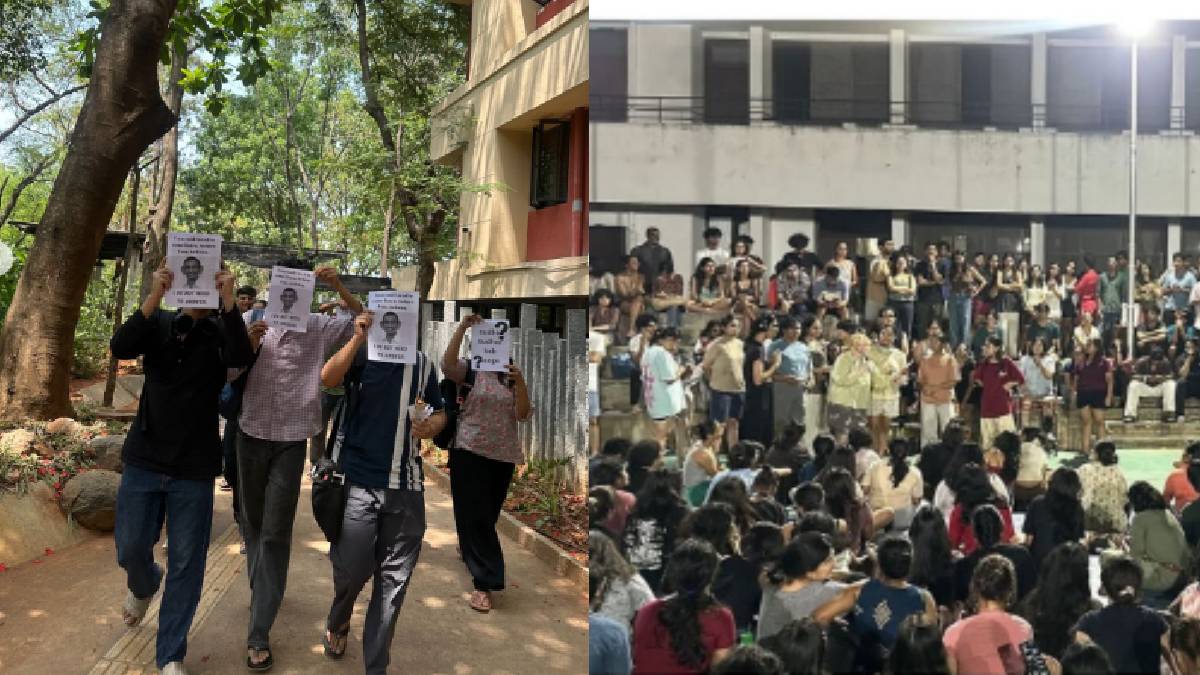
The development comes after students raised their objections to CJI Surya Kant being invited to the convocation of the university. The controversy was also raised in the context of another dispute between the Bar Council of India (BCI), students of NALSAR University of Law in Hyderabad, and the CJI’s invitation at NALSAR’s convocation.
NLSIU had already informed students about the ceremony. In an email sent on August 3, the university said that the convocation for the graduating batch was scheduled to take place on September 12. But a new notice made on August 27 confirmed that the ceremony would no longer be held.
“For whatever reasons, we are unable to hold the 34th Annual Convocation,” the university said in their notice.
The university has said graduating students will still receive their degrees. All those from the graduating batch will be awarded their degrees in absentia, if the university’s Governing Bodies approve it.
NLSIU also said students would have the option of receiving their certificates through courier or collecting them from the campus. A separate form and details of the process were expected to be shared with the graduating students to allow them to select their preferred option.
The cancellation has added another dimension to a growing debate among law students, ceremonial participation by senior judicial figures, and the role of the BCI. The debate had already intensified after students at NALSAR protested against the invitation to CJI Surya Kant to address their convocation.
CJP reacts to NLSIU Convocation cancellation.
The NLSIU announcement also received a response from the Cockroach Janta Party (CJP). Saurav Das, co-convenor of the group, was the first to respond to the cancellation and expressed hope that graduating students would organise an alternative ceremony of their own.
“I hope the NLSIU graduating batch organises its own graduation ceremony and invites the most honourable guest to felicitate them. Do it the Gen-Z way!” Das said.
His remarks came as public attention on the student-led objections and the manner in which the controversy involving the NALSAR graduating batch had unfolded.
NLSIU students had raised concerns
At NLSIU, students had earlier protested against the possibility of BCI Chairman Manan Kumar Mishra and CJI Surya Kant attending their own convocation. Their concerns grew out of the controversy at NALSAR, where some students had objected to the CJI being the chief guest.
The NLSIU students also called for an apology from the BCI to the students and faculty at NALSAR. The demand followed the BCI's controversial decision to stop the enrolment of NALSAR's entire 2026 graduating batch with State Bar Councils.
The BCI had initially directed State Bar Councils not to enroll students from the 2026 graduating batch of NALSAR due to an inquiry into a campaign opposing the proposed inclusion of CJI Surya Kant in the university’s convocation.
The enrolment restriction was subsequently removed. BCI Chairman Manan Kumar Mishra said that the Council had discussed and deliberated on the previous order before modifying the direction.
As per the amended order, the BCI found that the vast majority of NALSAR's 2026 graduating students were innocent and did not intend to participate in any action to show disrespect. The Council therefore allowed the students to enrol in State Bar Councils of their choice.
Why did students oppose CJI Surya Kant’s presence?
The controversy started when students of NALSAR were against the invitation of CJI Surya Kant as chief guest at the university's convocation. The university had confirmed that Justice Kant was invited, but the date of the convocation had not been decided yet and the institution was waiting to receive the invitation.
The subsequent campaign and the BCI's response turned the issue into a larger debate within legal education. Questions were raised about student expression, institutional autonomy, and the role of professional regulatory bodies in matters involving law graduates.
I hope the NLSIU graduating batch organises its own graduation ceremony and invites the most honourable guest to felicitate them. Do it the Gen-Z way! ✊🏻 pic.twitter.com/BfOBDw75Nd
— Saurav Das (@SauravDassss) August 27, 2026
The NLSIU controversy erupted after that episode when students protested the idea of having senior legal figures in their graduation ceremony.
For the graduating students, the cancellation means that there will be no conventional convocation ceremony on September 12 as intended. Instead, they are expected to be awarded in absentia, once approved by the university Governing Bodies.
The university will provide further details on certificate collection and courier process. The recent development is an important step forward in the debate and puts NLSIU’s 2026 graduating batch at the centre of a wider debate over student voice, university ceremonies, and the relationship between law institutions and professional regulatory authorities.