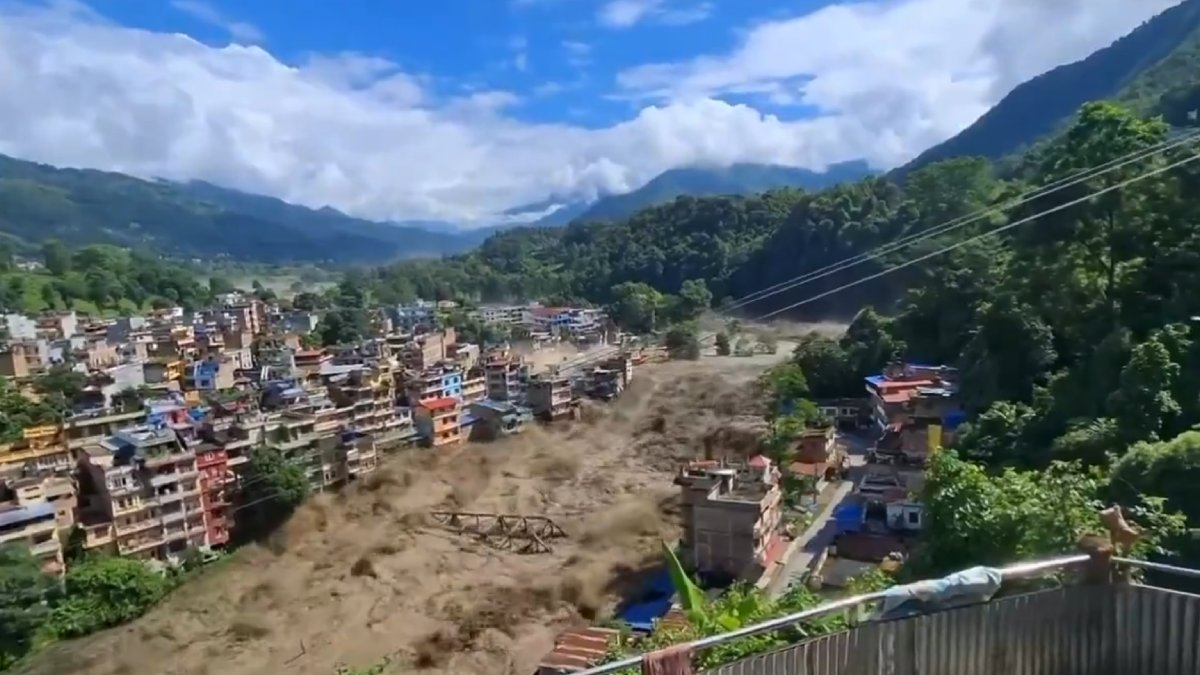
A deadly flash flood and mudslide disaster along the Nepal-Tibet border has left at least 270 people dead and nearly 1,500 people missing, making it one of the deadliest natural disasters to hit the Himalayan region in recent years.
Among those missing are 288 Indian nationals, and hundreds of foreign tourists, pilgrims and workers from several countries are feared to be missing as rescue teams race against time to find survivors.
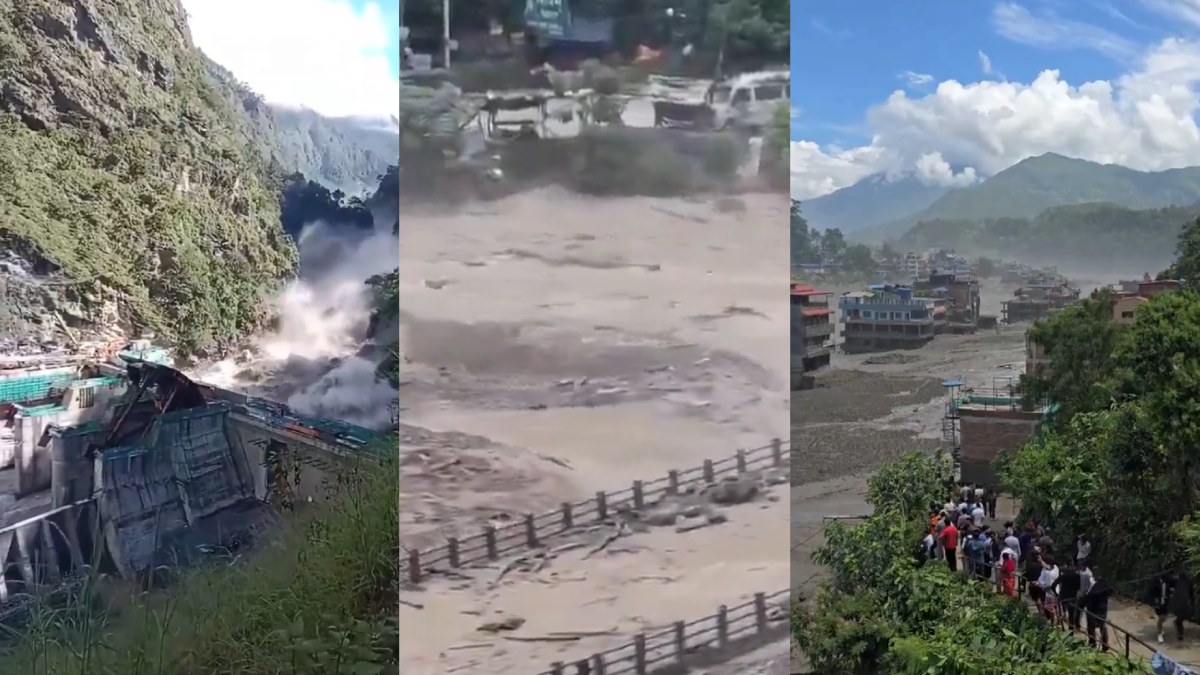
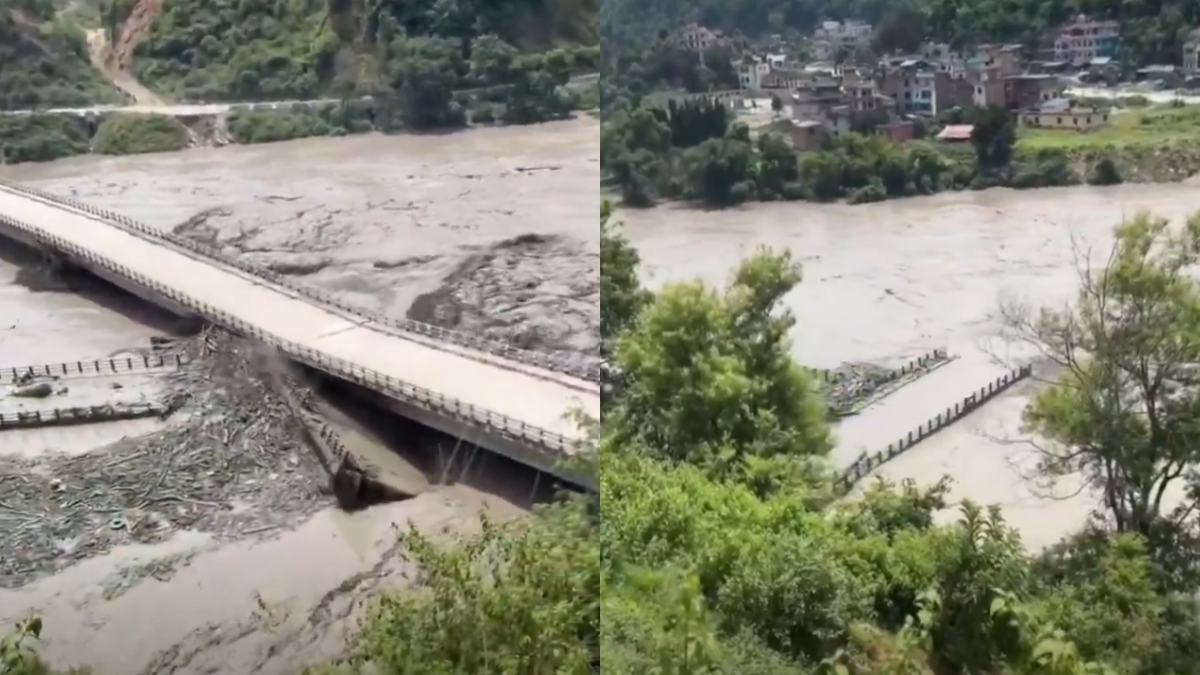
The disaster came after a torrent of ice, rock and debris in the Himalayan region caused a torrent of water and mud to inundate villages in river valleys near the Nepal-China border. Homes, roads, bridges, hydropower facilities and vehicles were destroyed in seconds as floodwater swept through. But damaged infrastructure and difficult terrain are making progress more difficult for rescue and relief efforts in Nepal and the Tibet Autonomous Region.
According to Nepalese authorities, the death toll is around 270 and is expected to rise further as more bodies are recovered downstream. Hundreds of people are trapped or unreachable in remote mountain regions, and rescue teams are searching for survivors in some of the worst affected districts - Rasuwa, Nuwakot, and nearby. Helicopters, military personnel and emergency response teams are all deployed in the disaster zone.
Nearly 1,500 Missing Across Nepal and Tibet
There are about 1,500 missing people in Nepal and Tibet. The missing are residents, construction workers, tourists, foreign pilgrims and travellers going on the Kailash Mansarovar pilgrimage. The disaster has forced urgent international coordination as families across various countries search for information about their loved ones since the floods hit.
Among the missing are citizens from India, the United States, the United Kingdom, Australia, Canada, Malaysia, South Korea, Japan and several European countries. Indian nationals are the largest group of foreign citizens reported missing.
288 Indians Missing, 200 More Stranded in Tibet
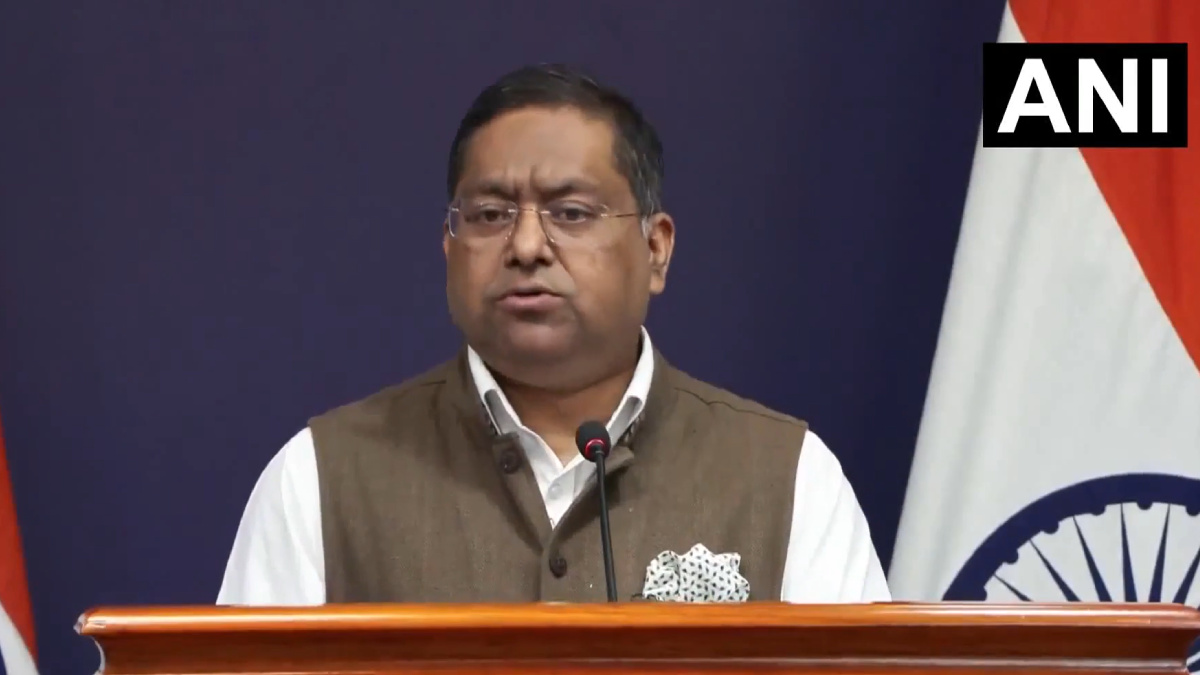
India’s Ministry of External Affairs (MEA) has confirmed that 288 Indian nationals remain uncontactable in Nepal following the floods. Many of them were working on infrastructure projects or travelling with pilgrimage groups to Mount Kailash and Lake Mansarovar.
The missing Indians include workers involved in the Trishuli-1 Hydropower Project and pilgrims from Tamil Nadu, Kerala, West Bengal, and other states. The Indian Embassy in Kathmandu is working closely with Nepalese authorities, rescue agencies and project officials to collect information and track those who are still missing.
Besides those missing in Nepal, about 200 Indian pilgrims are stranded on the Chinese side of the border in Tibet and have sought help from Indian authorities for evacuation and safe passage.
Rescue Operations Intensify
Rescue teams have been able to save hundreds of people, even in these challenging conditions. Nepal has conducted many helicopter flights to Kathmandu and medical facilities, and airlifted the injured to Kathmandu. More than 100 people have been rescued so far in Nepal, and teams have been searching riverbanks and debris fields for missing victims.
India has also expanded humanitarian assistance efforts to Nepal by sending emergency relief resources and medicines. The Indian government has expressed its support for rescue and recovery efforts in the region as the country grapples with a massive humanitarian crisis.
Glacier Collapse and Climate Concerns
Preliminary investigations indicate that the disaster was triggered by a glacier collapse linked to a landslide in the Lhende region near the Nepal-Tibet border. Water, mud, and debris were released in a torrent that cascaded downstream. Climate-related risks for the Himalayan region could be rising, scientists and experts say, as it is hotter and rain and snowmelt are becoming more frequent and intense, causing glacier instability and the formation of dangerous glacial lakes.
The floods destroyed critical infrastructure including roads, bridges, hydropower facilities and border trade routes. Many villages were either heavily damaged or destroyed, and thousands were displaced with no shelter, food and medical care.
International Response and Ongoing Search
The level of the disaster has prompted responses from neighbouring countries and international organisations. Relief supplies, rescue equipment and emergency funding have started to reach affected areas. But authorities fear that the death toll could continue to rise as search efforts progress and more people are identified as missing.
For families waiting for news of loved ones, the uncertainty is agonising. There are also government helplines in Nepal, India and China with record volumes of inquiries as officials search for victims and reunite survivors with their families. With hundreds missing and difficult terrain hindering rescue efforts, the next few days will be crucial in determining the full human cost of one of the worst flood disasters to hit the Himalayan region in decades.