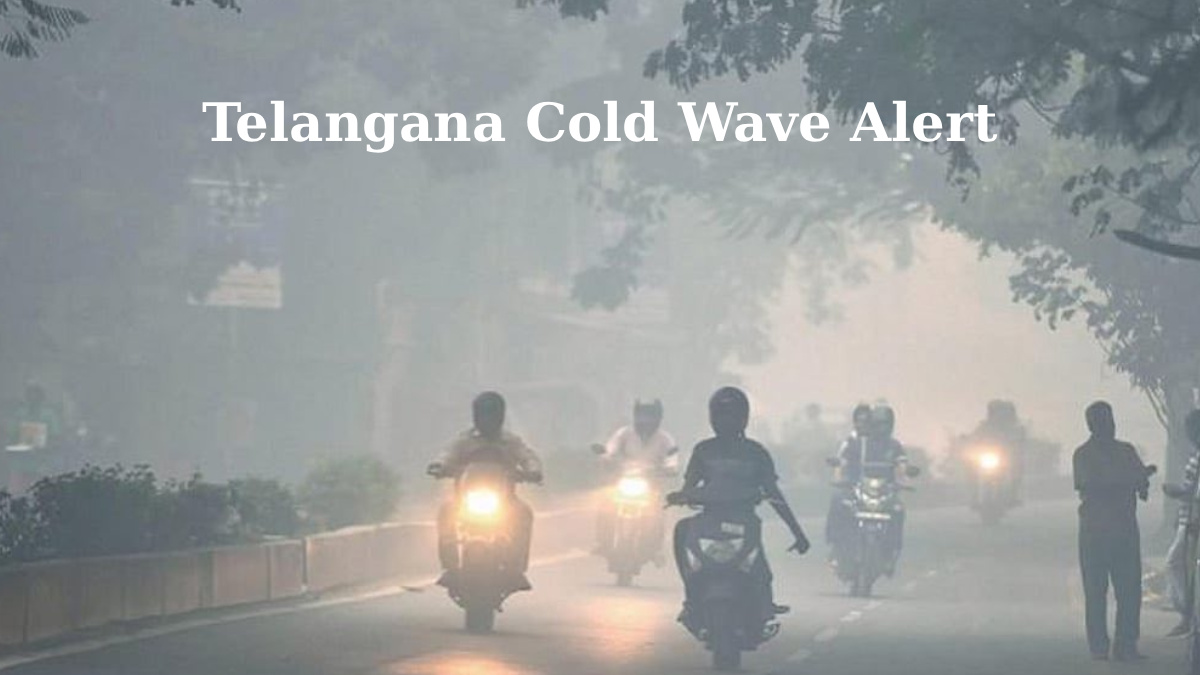
The cold in North India continued to grip at a fever pitch, and Gurugram in Haryana and Bathinda in Punjab both recorded a minimum of 0.6°C last Monday, making it the coldest night during the 2025–26 winter season at the two cities and the mercury barely above the freezing value.
According to IMD figures, the figures in those regions are considerably below the seasonal average, and they see ground frost develop in open fields and rural outskirts. Freezing the Plains: regional temperature analysis The chill over these two hubs. Some of the Indo-Gangetic plain is presently subjected to icy northwesterly winds that strike from the snow-covered Himalayas.
City minimum temperature deviation from normal Gurugram 0.6°C -6.2°C. Picturesque, but this extreme cold also threatens standing crops including mustard and young vegetables. For example, agricultural authorities in the Punjab-Haryana belt have warned farmers to irrigate lightly to avoid freezing the roots.
Disruptions to Daily Life
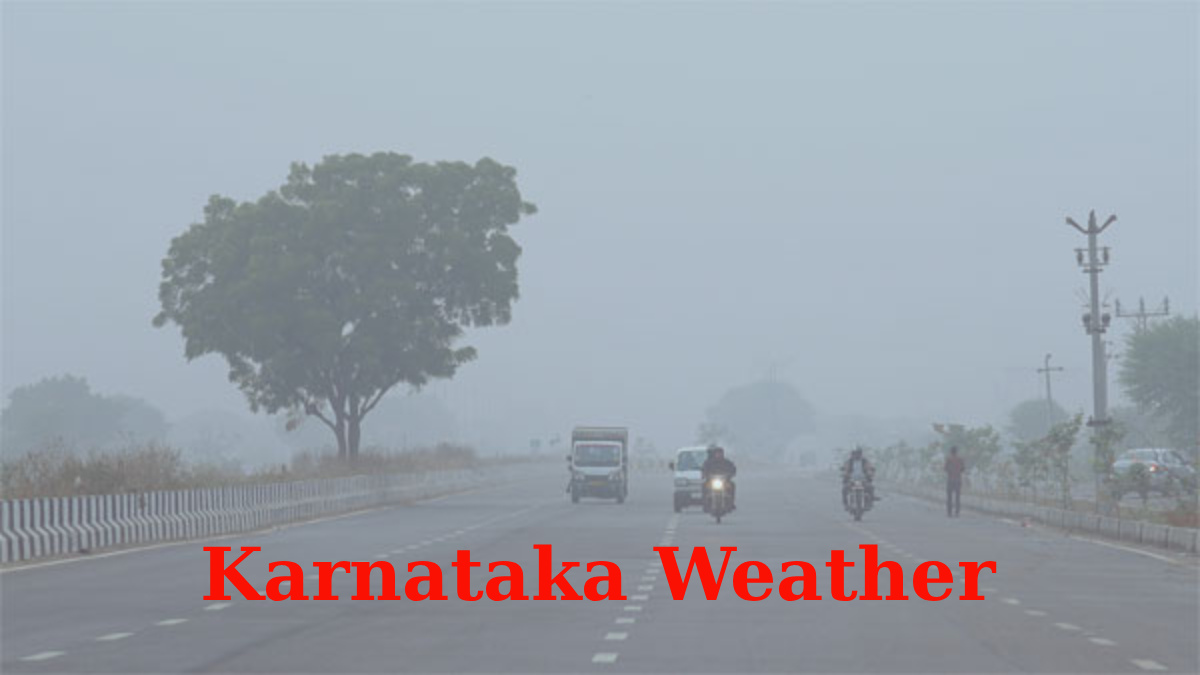
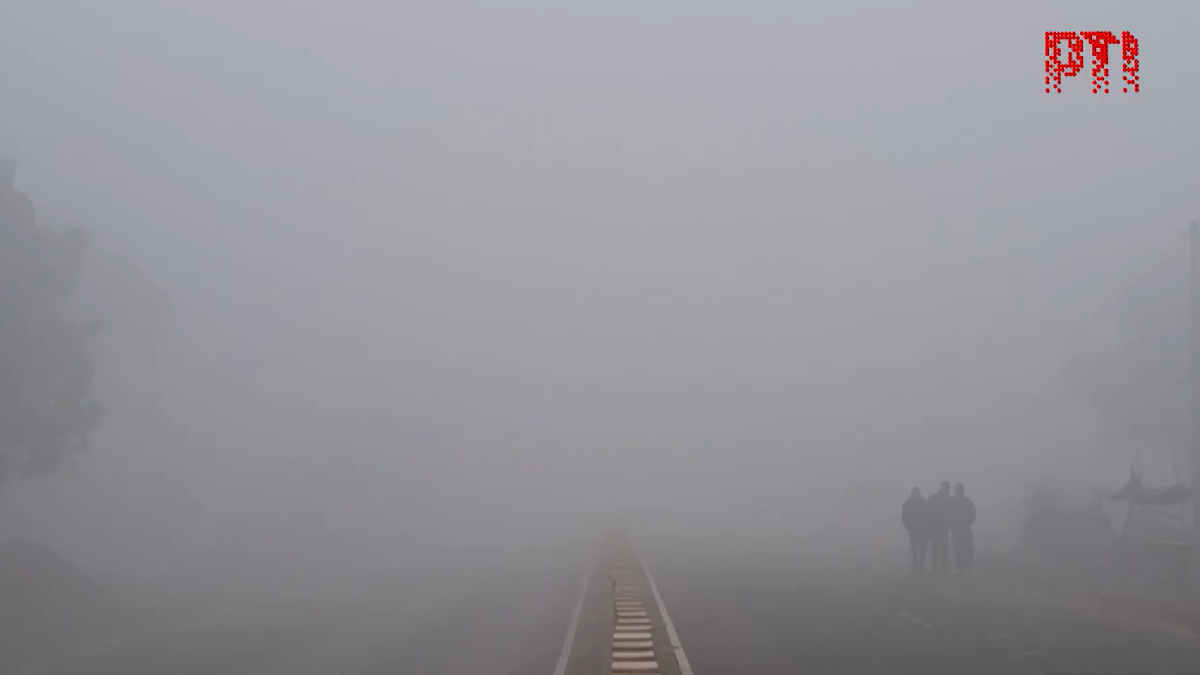
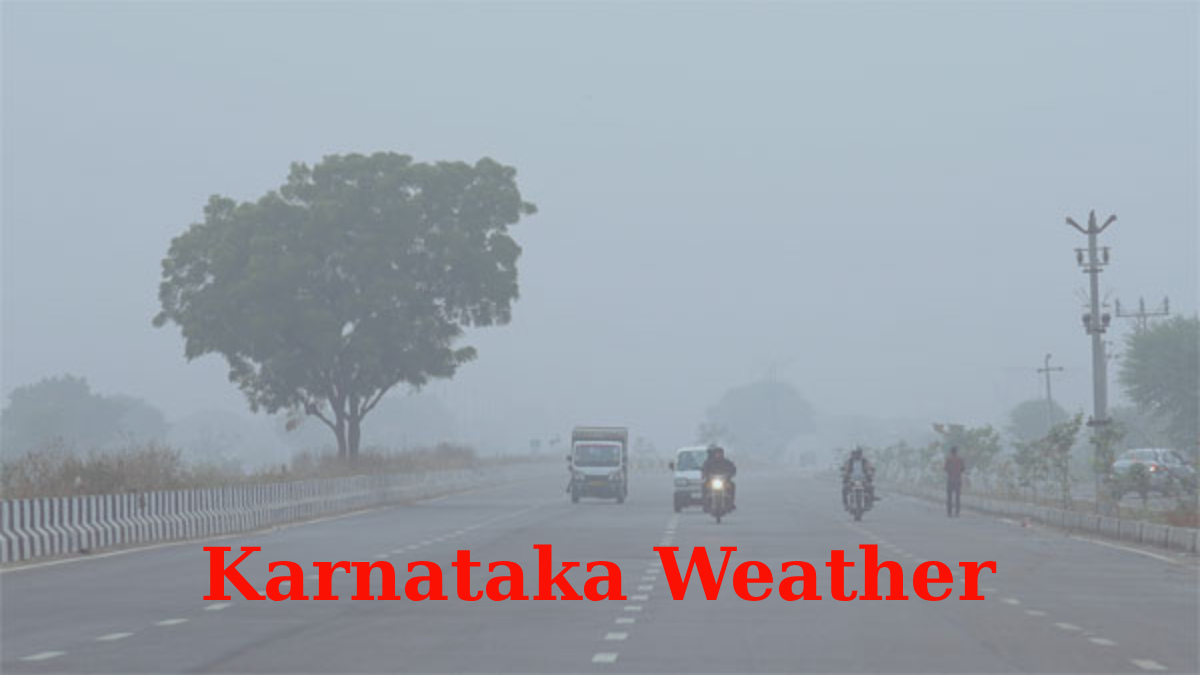
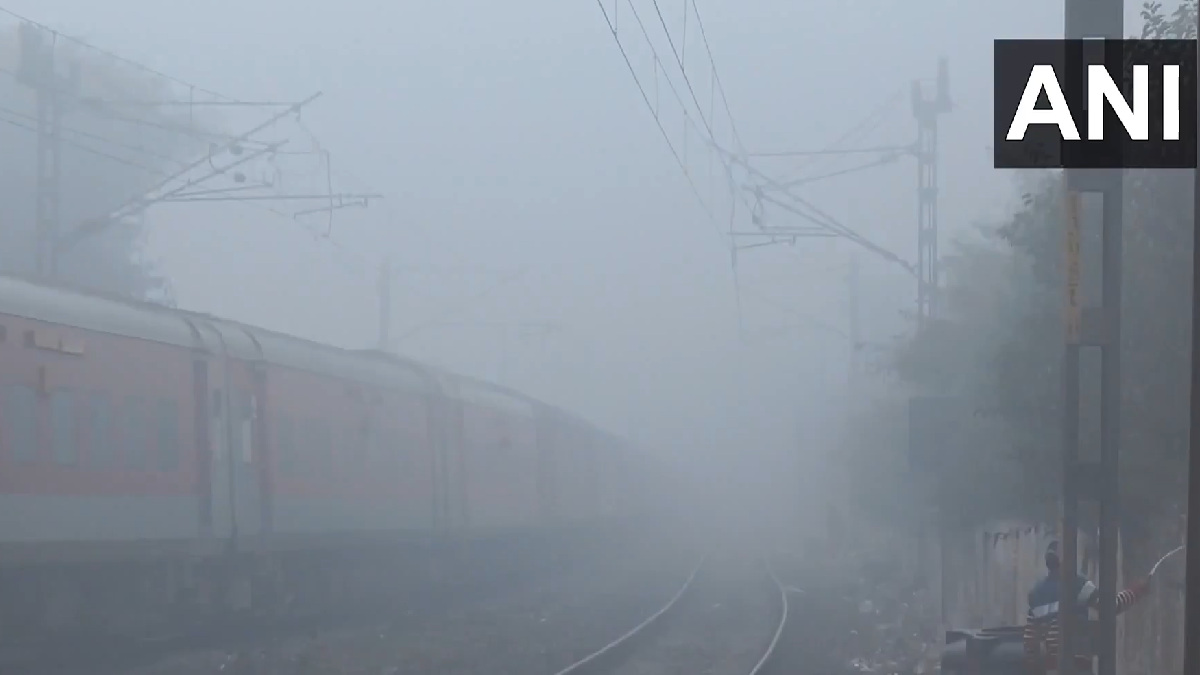
The extreme cold has brought with it "dense to very dense" fog, which brought visibility below 50 meters into Palam and Bathinda in the early morning hours. Transport: 25+ trains heading to Delhi and Punjab are reportedly delayed by 3–6 hours. The "CAT III" landing protocols at Delhi’s IGI Airport are in place, with dozens of flights faced with delays due to limited runway visibility.
Health Advisory
Because the temperatures in Gurugram have fallen to nearly 0, health officials have told those elderly and with respiratory problems that they should stay indoors in the early morning and late night hours to prevent hypothermia and worsening of asthma. Yet another new Western Disturbance arrives on the scene around January 16, and it could produce slight warming along with isolated light rain scattered around the edges of the region, sparing the dry and painful chill from taking over the winter's land.